Symposium Review | Symposium on Understanding Ancient Plants and Textile Production
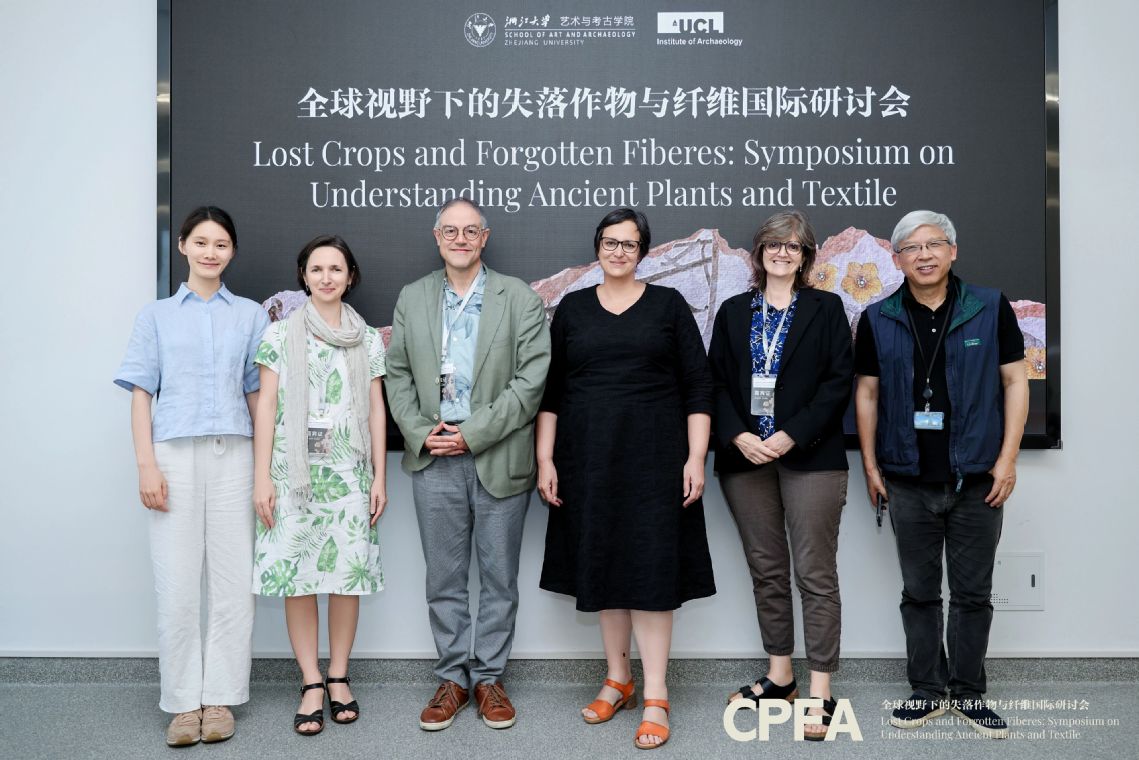
To deepen academic collaboration between the School of Art and Archaeology at Zhejiang University and the Institute of Archaeology at University College London (UCL), and to promote international exchange and cutting-edge development in the fields of plant and fiber archaeology, the posium on Understanding Ancient Plants and Textile Production was successfully held at the Art and Archaeology Museum of Zhejiang University from June 23 to 24, 2025.
The symposium was co-hosted by the School of Art and Archaeology at Zhejiang University and the Institute of Archaeology at UCL, and organized by the Art and Archaeology Museum of Zhejiang University. It brought together over 30 renowned scholars from both China and abroad, with 23 scholars delivering keynote speeches.
The opening ceremony was presided over by Professor Zhao Feng, Dean of the School of Art and Archaeology at Zhejiang University. Professor Zhao introduced the background and development goals of the newly established Joint Research Center for Plant and Fiber Archaeology. The center, framed around the Silk Road, focuses on three key areas—plants, fibers, and dyes—and aims to conduct cross-civilization comparative research. The center aspires to become a globally leading research hub for plant and fiber studies.
The first day of the symposium focused on the archaeological discoveries of lost crops and their role in agricultural evolution. Experts explored the early utilization and evolutionary patterns of lost crops in different regions worldwide from perspectives such as macro-plant remains, micro-analysis, and genomics. They highlighted the significance of studying “orphan crops” for understanding ancient subsistence systems and the sustainable development of modern agriculture. Research also revealed the unexpected importance of marginal plants like millet, barnyard grass, upland rice, and teff during the Neolithic to Bronze Age periods.
The second day shifted focus to fiber archaeology, covering topics such as the domestication history of fiber crops, fiber micro-trace identification techniques, the evolution of textile technologies, and their interaction with socio-cultural contexts.
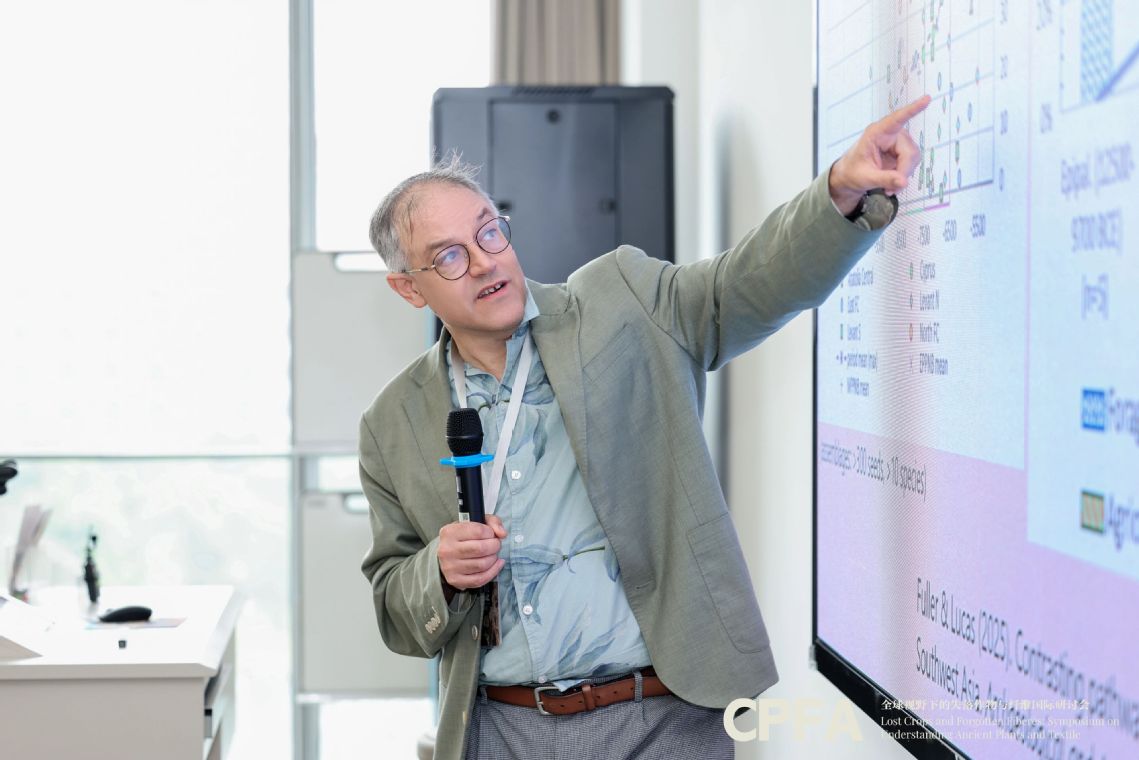
Professor Dorian Fuller (UCL) systematically discussed the domestication of textile crops and the development of textile technologies during the Neolithic period. Through archaeological evidence and plant remains analysis, he revealed that the domestication of fiber crops occurred 2,000–3,000 years later than that of food crops. He pointed out that the transition from the use of wild tree barks (e.g., elm and willow) to the directed cultivation of crops like flax and hemp reflects a co-evolutionary relationship between textile technologies and agricultural economies. Professor Fuller emphasized that different regions of Eurasia developed distinct fiber resource exploitation models, reflecting the complexity of agricultural civilization evolution.
Zhou Yang, Deputy Director of the China National Silk Museum, shared an innovative immunoassay technology. This technology, based on antigen-antibody reactions, uses specific antibodies targeting silk fibroin peptide segments to accurately identify silk micro-traces under various preservation conditions. The technology has been successfully applied to significant sites such as Shuanghuishu and Sanxingdui, uncovering the earliest silk evidence dating back 5,000 years. It has also identified multiple silk varieties, including mulberry silk and eri silk, in the Ngari region of Tibet.

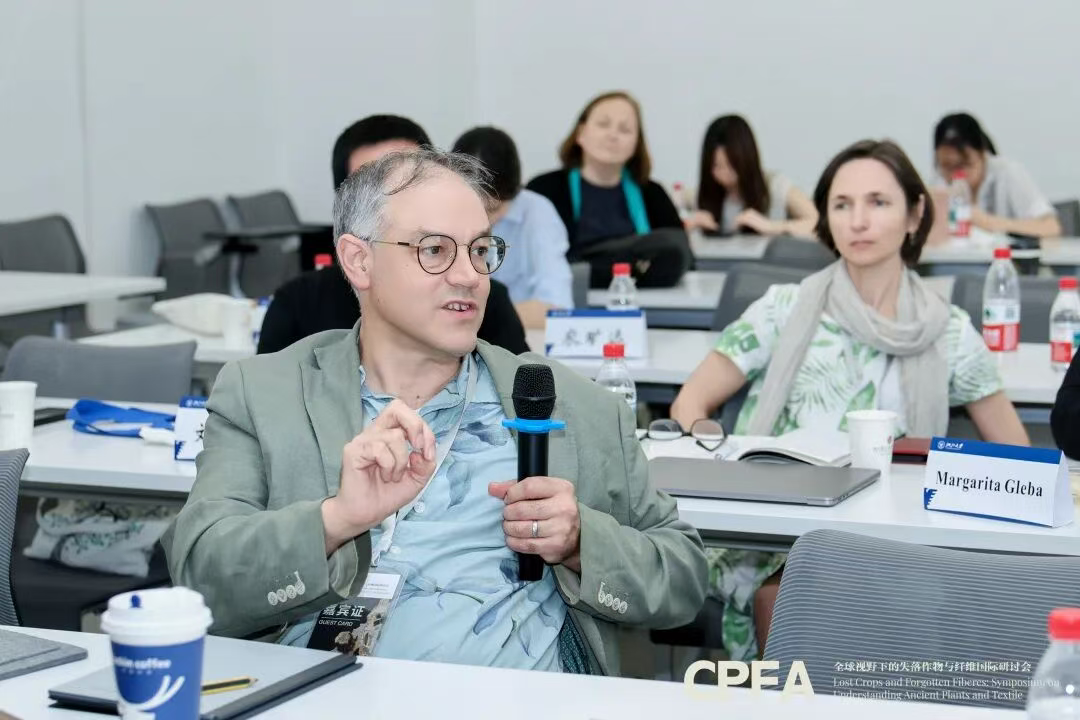
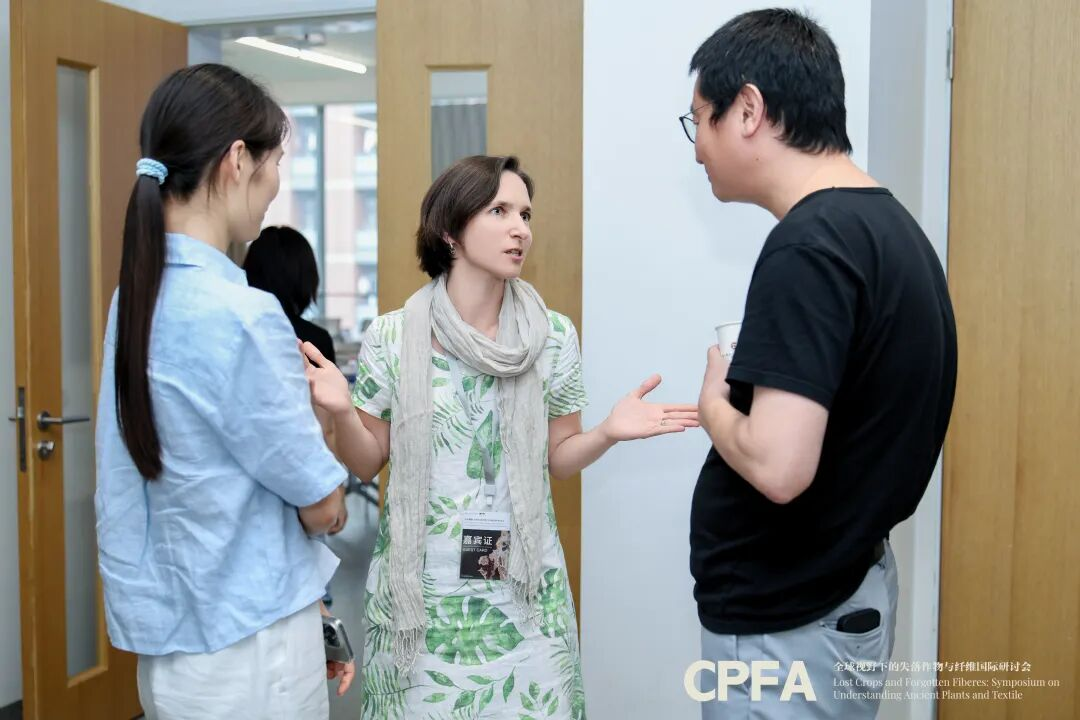
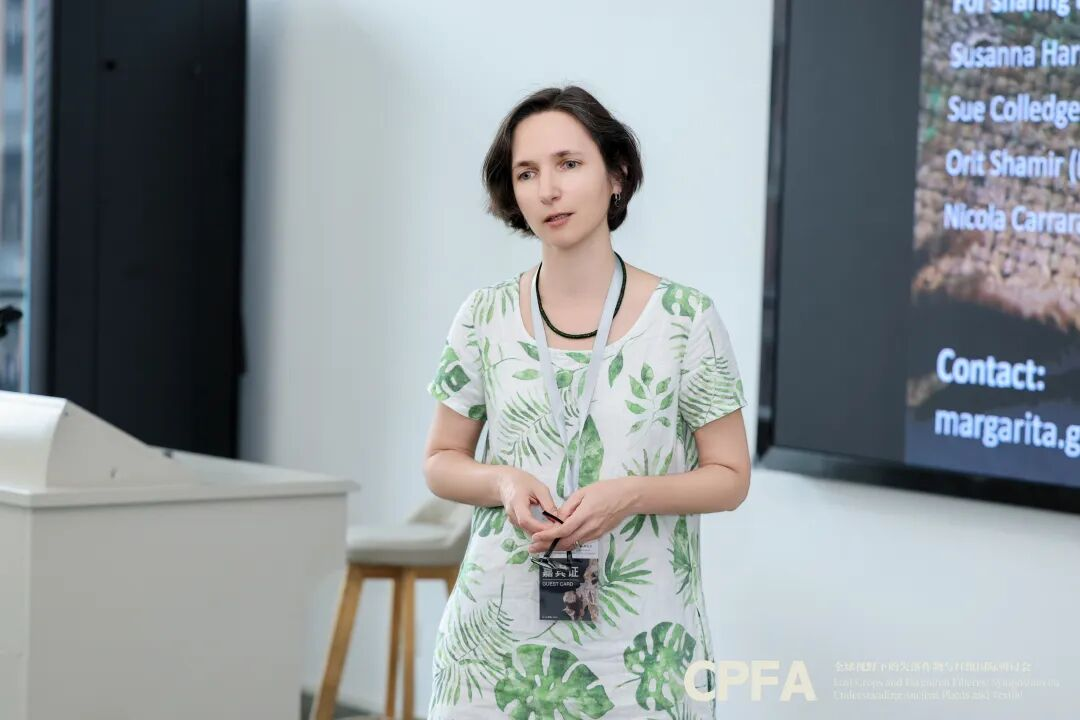
Dr. Margarita Gleba (University of Padua) elaborated on the development of prehistoric plant fiber technologies in Europe. Through microscopic analysis, she introduced the processing techniques of plant fibers like flax and focused on “splicing technology,” a primitive textile method. Her team established a six-indicator system for identifying splicing technology and compared traditional textile techniques in Europe and East Asia, noting that Chinese traditional practices like straw raincoats still retain splicing characteristics. This research provides critical evidence for understanding the origins and dissemination of early textile technologies.
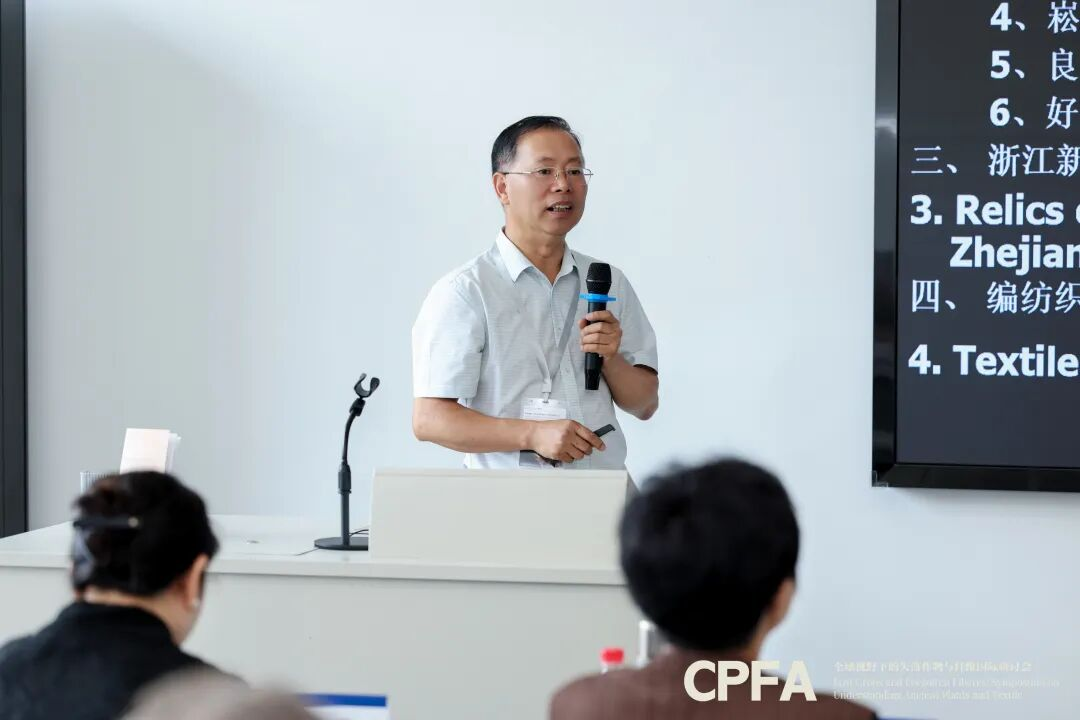
Sun Guoping, Researcher at the Zhejiang Provincial Institute of Cultural Relics and Archaeology, provided an overview of prehistoric textile remains unearthed in Zhejiang. Starting from Zhejiang’s natural environmental conditions, he outlined the archaeological cultural sequence of Neolithic cultures such as Shangshan, Kuahuqiao, Majiabang, and Hemudu, showcasing textile artifacts from related sites. He emphasized that the origin and development of textile technologies were indispensable conditions for humanity’s transition to civilization.
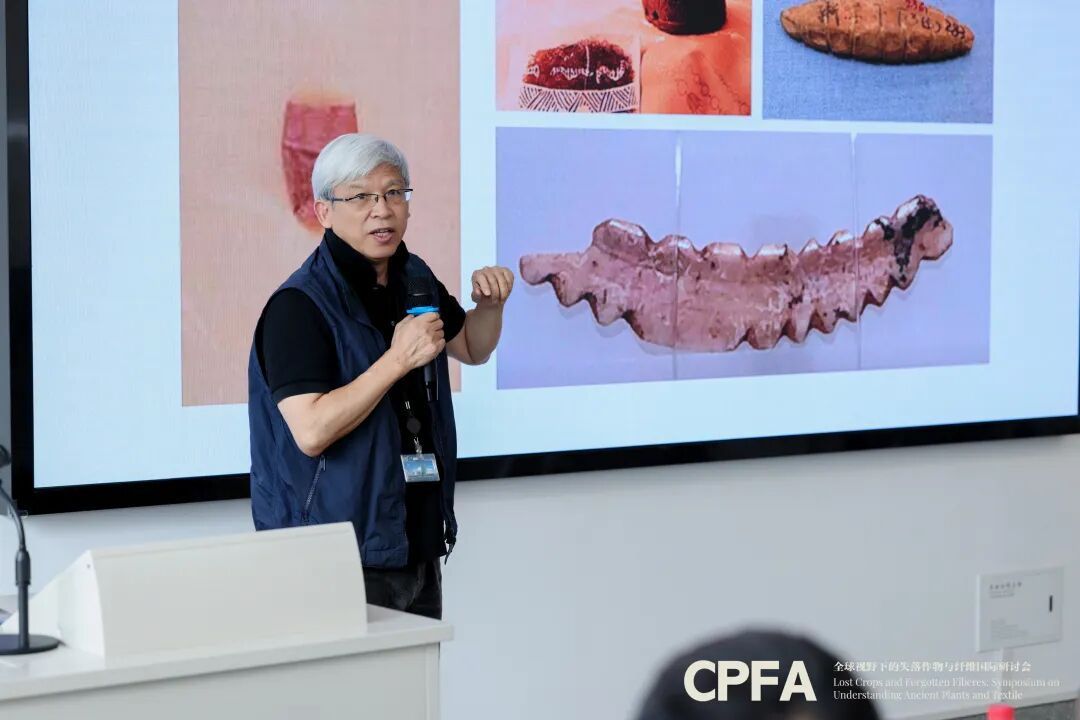
Professor Zhao Feng traced the origins of early textile fibers in his presentation titled “Traces of Gold, Jade, and Silk: Silk Archaeology of the Shang and Zhou Periods.” By analyzing silk fabric traces on bronze artifacts and clothing patterns on bronze and jade objects from the Neolithic to the Shang and Zhou periods, he systematically reviewed the structural features and technological evolution of textiles. Professor Zhao suggested that future research should focus on key technical areas such as fiber identification and dye component analysis.
Li Wenying, the director of the Xinjiang Institute of Cultural Relics and Archaeology, focuses on wool fiber textiles from the prehistoric period of Xinjiang. He reviews the textile remains from three stages: the mid and late Bronze Age and the early Iron Age, discussing the types of clothing, structural organization, and decorative techniques of textiles from various sites. He analyzes the changes and developments of wool fiber clothing in prehistoric times.
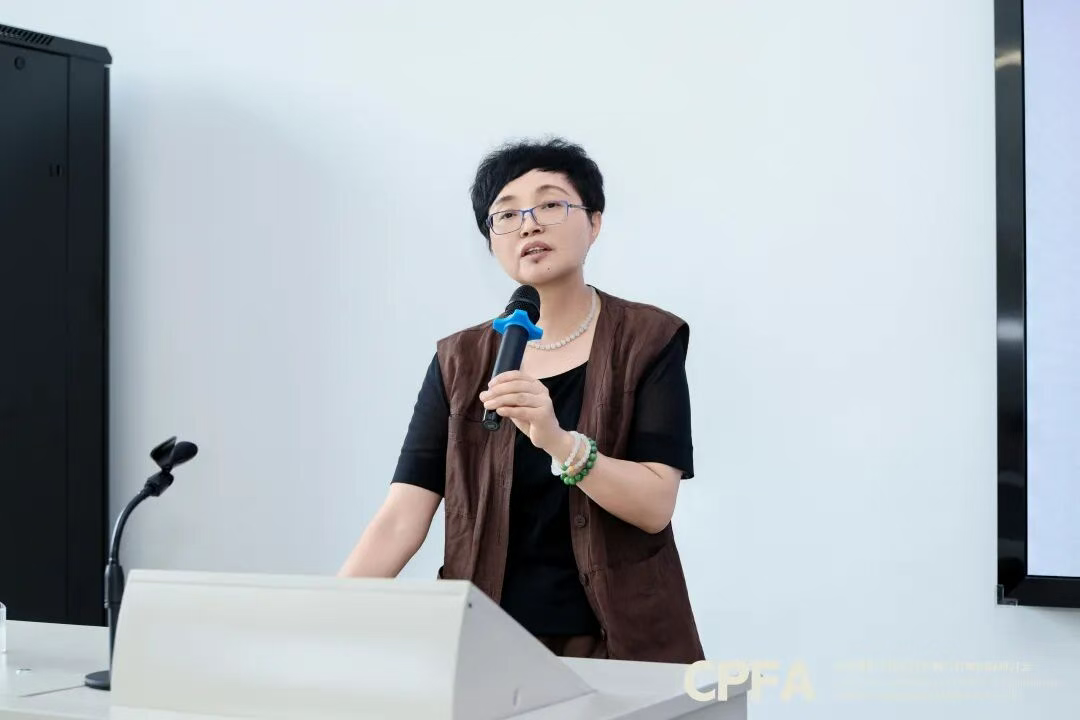
Anne Kwaspen, Assistant Researcher at the University of Cambridge, presented her research on plant fiber textiles from pre-Hispanic Colombia, focusing on cotton and fique fibers. Through microscopic and spectroscopic analysis, she revealed the degradation characteristics of excavated fibers. She also introduced a native cotton restoration project in the Sierra Nevada de Santa Marta, collaborating with the Arhuaco people to preserve traditional techniques. Additionally, she systematically compared 12 types of leaf fibers, including sisal and New Zealand flax, evaluating their ecological adaptability, preparation processes, and applications in textiles.
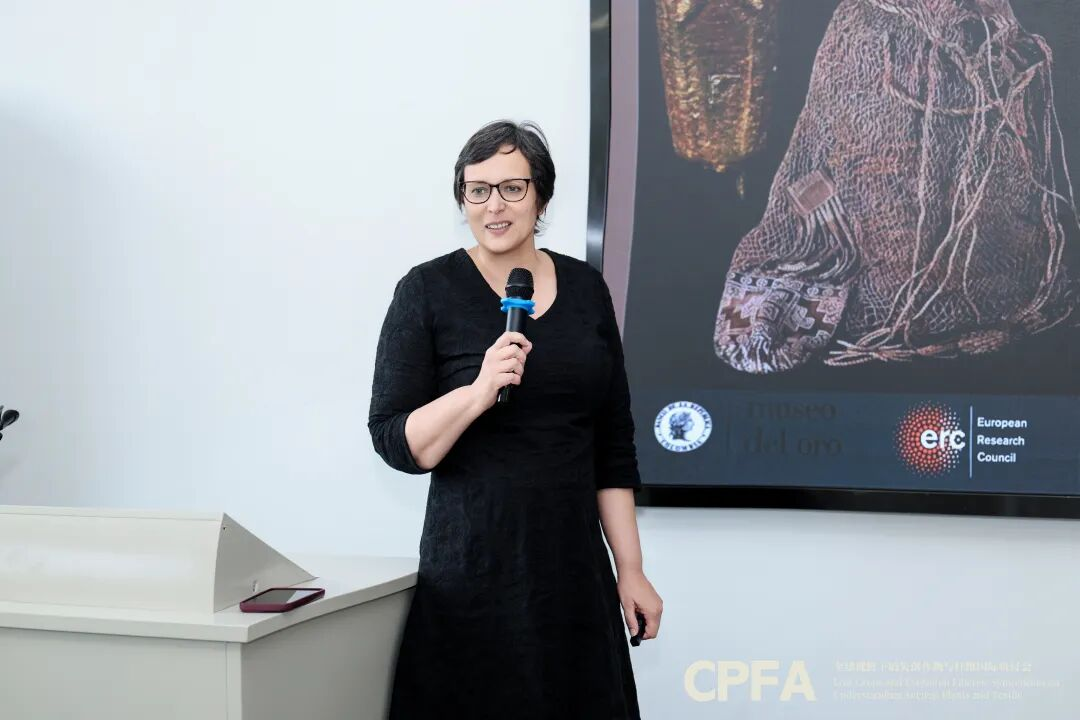
Renata Peters, Associate Professor at University College London, highlighted the harvesting and processing techniques of tucum palm fibers in the Brazilian Amazon. She showcased her team’s collaborative workshop with the Tikuna people, demonstrating that tucum fibers, due to their excellent physical properties, can replace other natural materials in various traditional uses. Professor Peters emphasized that this knowledge system faces dual crises of environmental degradation and generational skill loss, necessitating urgent protection. A documentary on community harvesting and processing was screened, vividly presenting the endangered craft.
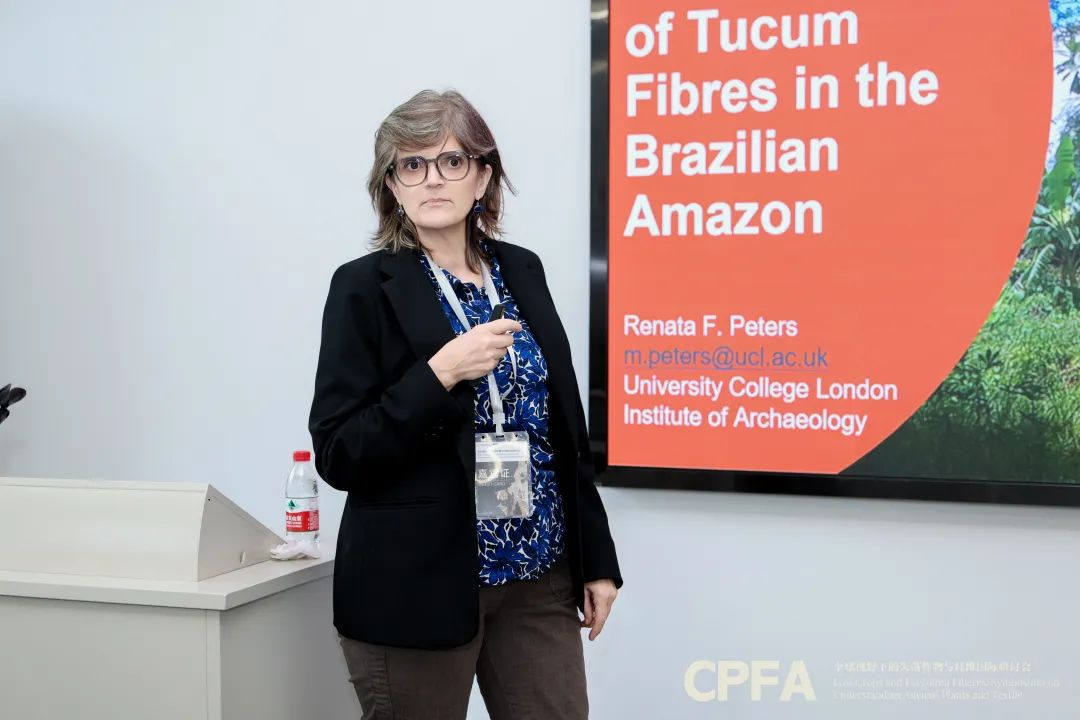
Liu Qi, Academic Secretary of the Hunan Provincial Key Laboratory of Scientific Archaeology and Cultural Heritage Conservation at the Hunan Museum, shared the latest research on blue feather artifacts unearthed from the Han Dynasty Mawangdui Tomb No. 1. Analysis revealed that the bright blue color of the feathers stems from keratin nanostructures rather than pigments, preliminarily ruling out sources such as kingfishers (Halcyon) or rollers (Coracias). This finding may serve as early evidence of the “diancui” (feather inlay) technique from the Han Dynasty. The research is still in its early stages, with the team building a feather structure database to support species identification and further exploration of ancient feather exchanges in East Asia.
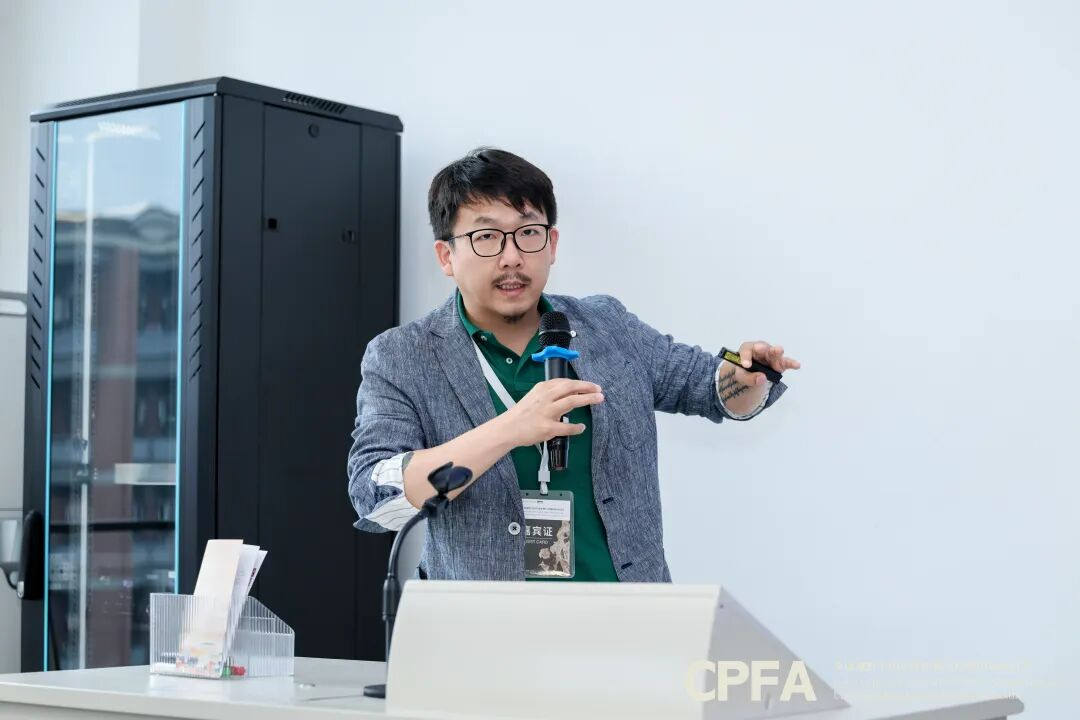
Yan Yaqi, a Ph.D. candidate at the University of Padua, reconstructed the evolutionary trajectory of plant fiber utilization in mainland China from the Neolithic to the Warring States period (circa 10,000–221 BCE) by analyzing 156 artifacts and fiber traces. Using GIS spatial analysis and typological methods, she revealed the spatiotemporal distribution and technological changes of raw materials such as hemp and ramie. Her study proposed that this process underwent three stages: “ecological adaptation—technological standardization—symbolic identity,” providing insights into early social structures and material culture transformations.

Chen Ran, a Ph.D. candidate at the University of Arizona, employed experimental archaeology to compare the microwear and residues on stone sickles and other tools used for harvesting and processing plant fibers and grains at the Peiligang site. The results showed that harvesting fiber plants (e.g., abutilon and paper mulberry) could produce microwear similar to harvesting grains or processing wood, depending on the fiber source, but the residues left on tool surfaces differed significantly. This study demonstrated that combining microwear and residue analysis can reveal diverse plant utilization practices, offering valuable references for interpreting archaeological specimens.

During the discussion session, experts and scholars engaged in lively debates on topics such as the utilization of plants and fibers, their underlying social structures, craft technologies, identification criteria, and classification standards. Regarding fibers, several scholars noted that basic techniques like twisting and splicing emerged as early as the Paleolithic period, predating the formation of agricultural societies. By the Neolithic period, textile activities became more systematic, reflecting shifts in social structures and lifestyles, and began to carry cultural functions such as identity expression. Participants emphasized that textile production is highly time-intensive, reflecting complex social divisions of labor and cultural systems. Textiles represent a crucial process of transforming natural resources into cultural artifacts. The consensus was to strengthen interdisciplinary collaboration and contemporary field documentation to deepen understanding of plant and fiber utilization traditions and technological evolution.