

Symposium Review | The International Academic Symposium “Chinese Export Art and the History of Science and Technology”
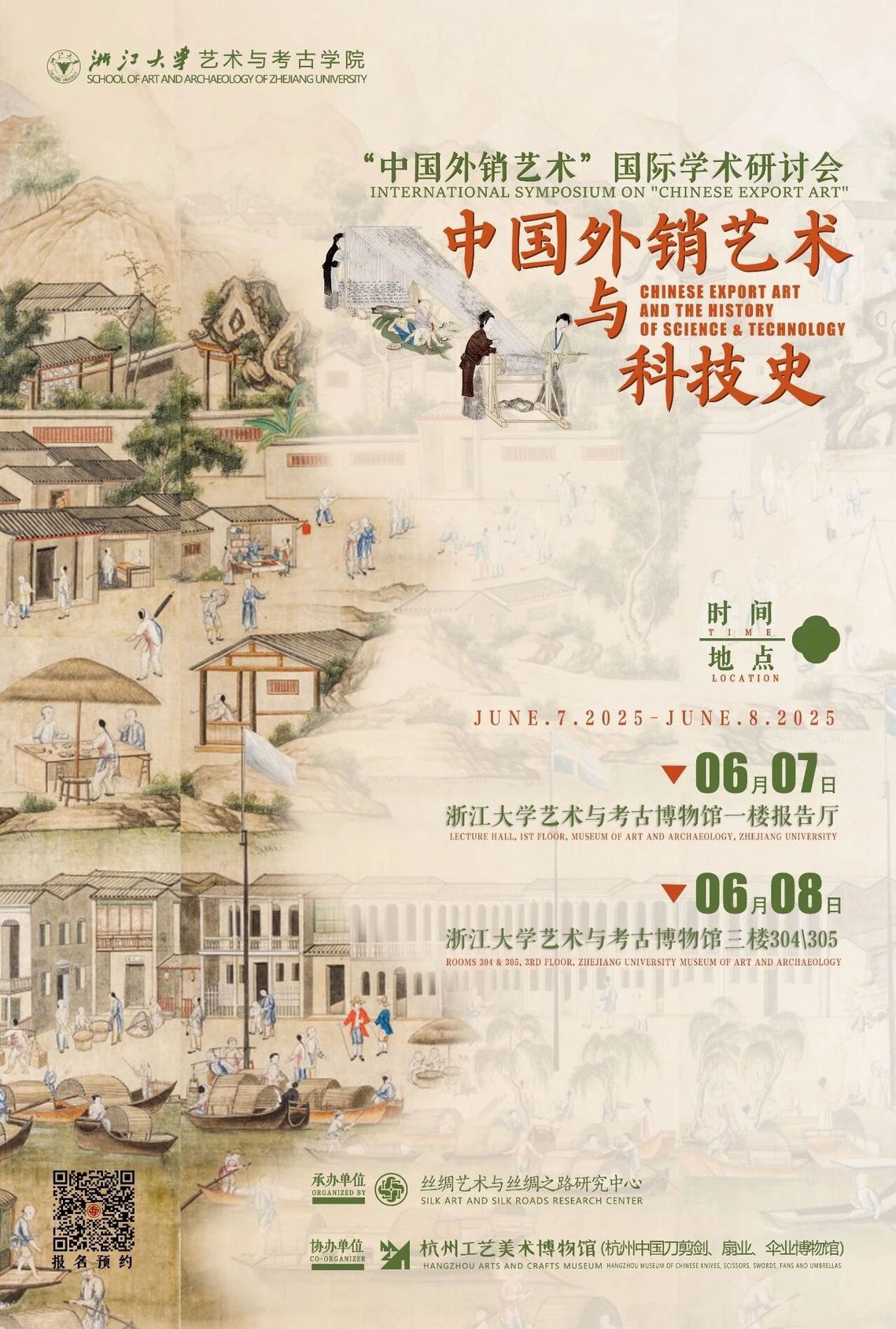
From June 7 to 8, 2025, the International Academic Symposium on “Chinese Export Art and the History of Science and Technology” was successfully held at the Zhejiang University Museum of Art and Archaeology. The symposium was hosted by the School of Art and Archaeology at Zhejiang University, organized by the Silk Art and Silk Road Research Center, and co-organized by the Hangzhou Arts and Crafts Museum (Hangzhou China Knives, Swords, Fans, and Umbrellas Museum). The event brought together nearly 80 scholars and experts from around the world to engage in two days of academic discussions and exchanges on topics related to “Chinese Export Art.”
At the opening ceremony, Professor Zhao Feng, Dean of the School of Art and Archaeology at Zhejiang University and chair of the conference, delivered a welcome speech. This was followed by remarks from Professor Eugene Wang, the Abby Aldrich Rockefeller Professor of Art at Harvard University, and Hedley Swain, CEO of the Royal Pavilion & Museums Trust in the UK. The three scholars unanimously agreed that the symposium established a high-level international academic platform for the study of Chinese export art, laying a solid foundation for the development of this emerging field and marking a groundbreaking milestone.
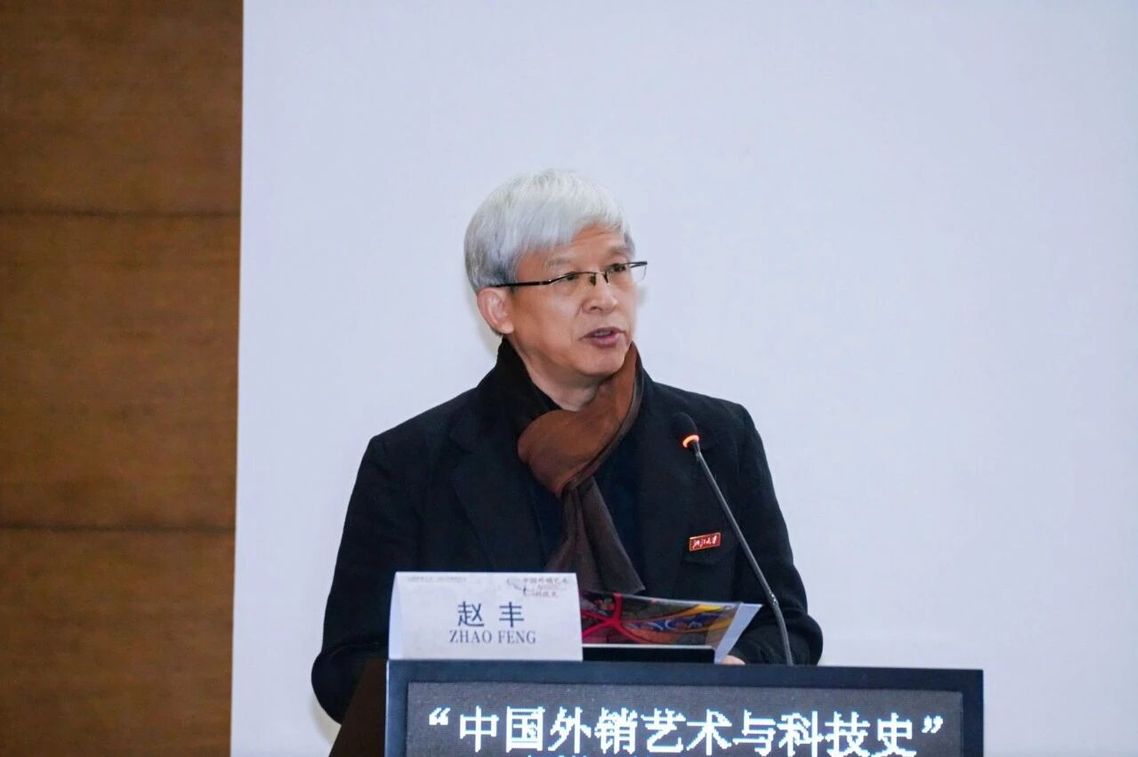
Professor Zhao Feng, Dean of the School of Art and Archaeology at Zhejiang University
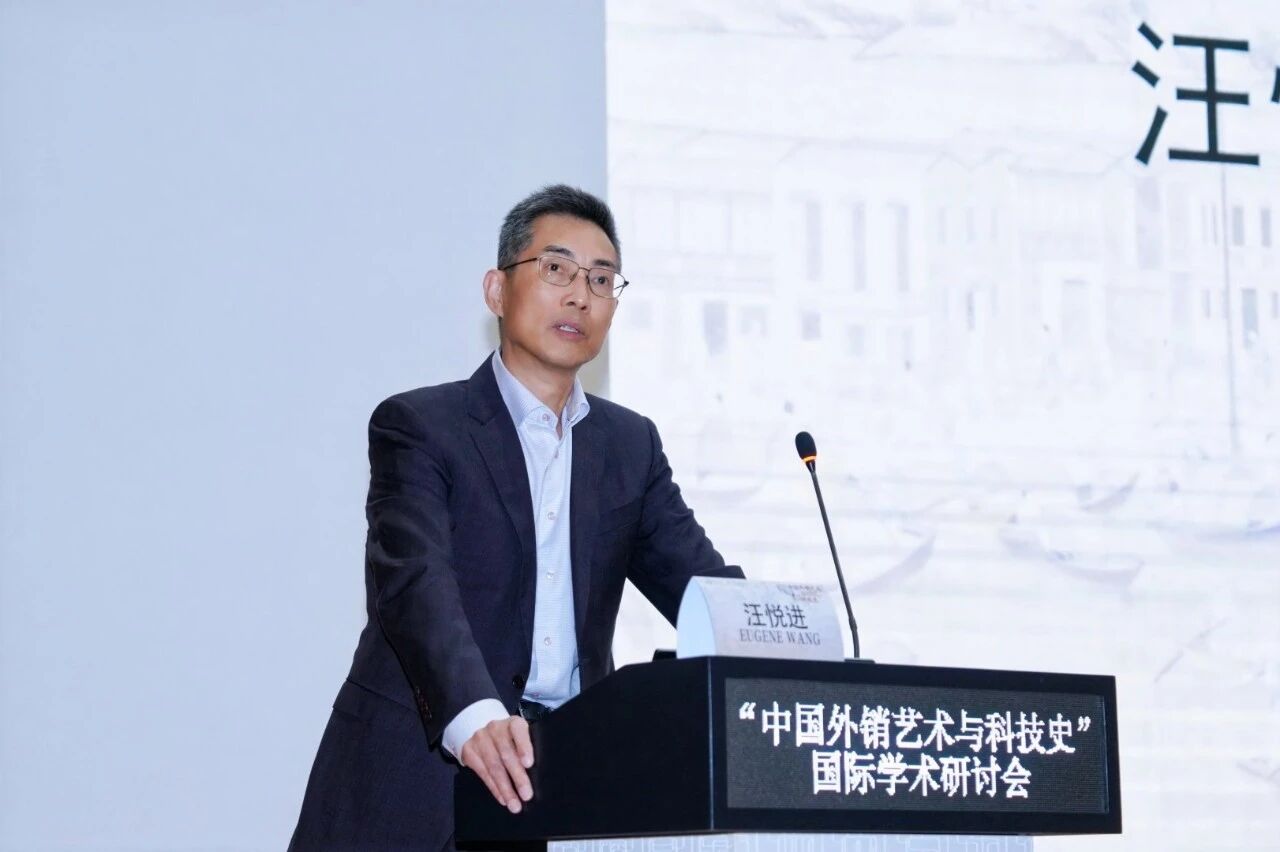
Professor Eugene Wang, the Abby Aldrich Rockefeller Professor of Art at Harvard University
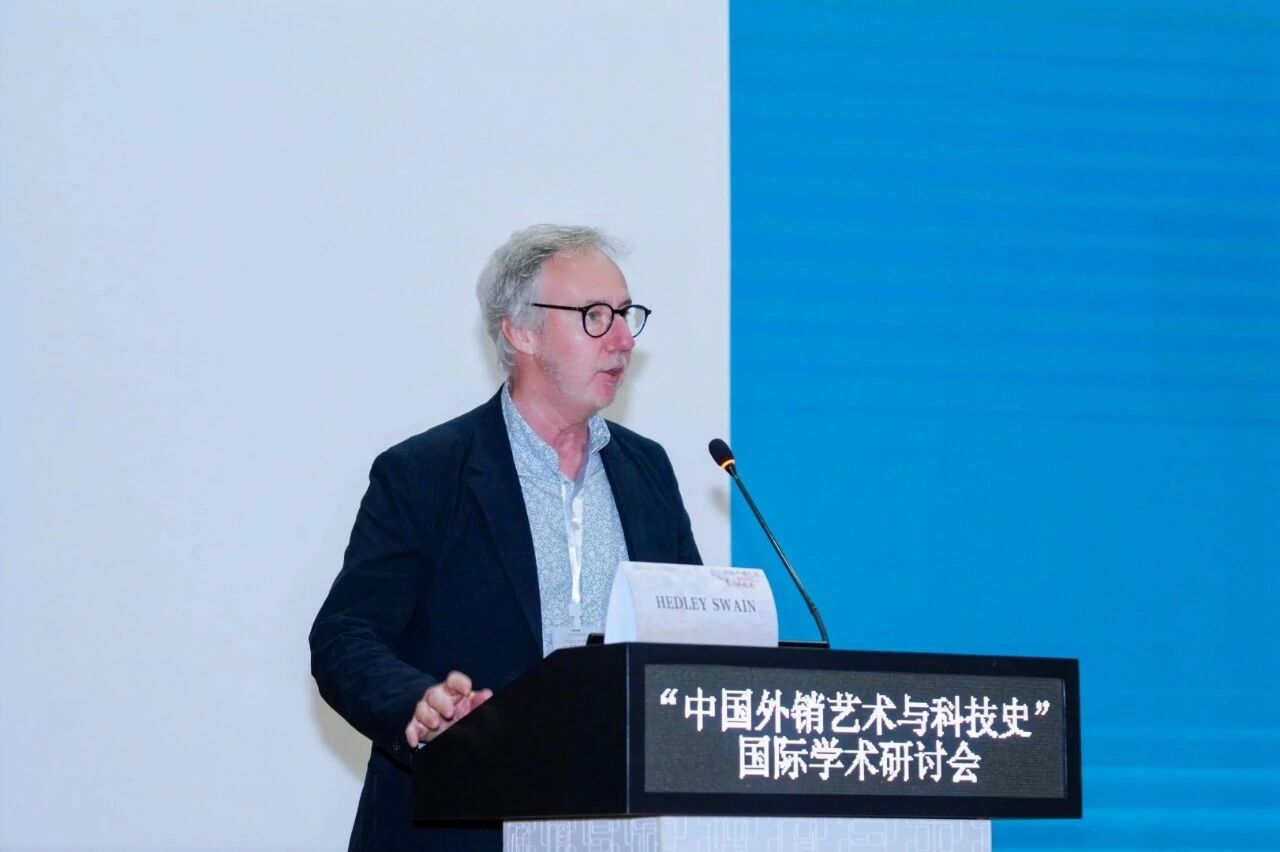
Hedley Swain, CEO of the Royal Pavilion & Museums Trust in the UK
On the first day, ten invited overseas and Hong Kong/Macau experts delivered keynote reports on new definitions and narratives in Chinese export art.
Patrick Conner, a researcher at the Victoria and Albert Museum, presented the first keynote titled Changing Attitudes to Chinese Export Art. He outlined the gradual societal recognition of Chinese export art, analyzing recent publications, emerging collecting institutions, and new exhibitions to reveal fresh research perspectives in the field. Using examples such as the inventory of Archduke Ferdinand II of Habsburg (1596) and the Oriental art collection at Schloss Ambras, Conner explored early European reception of Chinese art. He also discussed the evolving academic and public perceptions of “Chinese export art” through cases like the connection between Suzhou prints and Meissen porcelain in the Dresden Kupferstich-Kabinett.
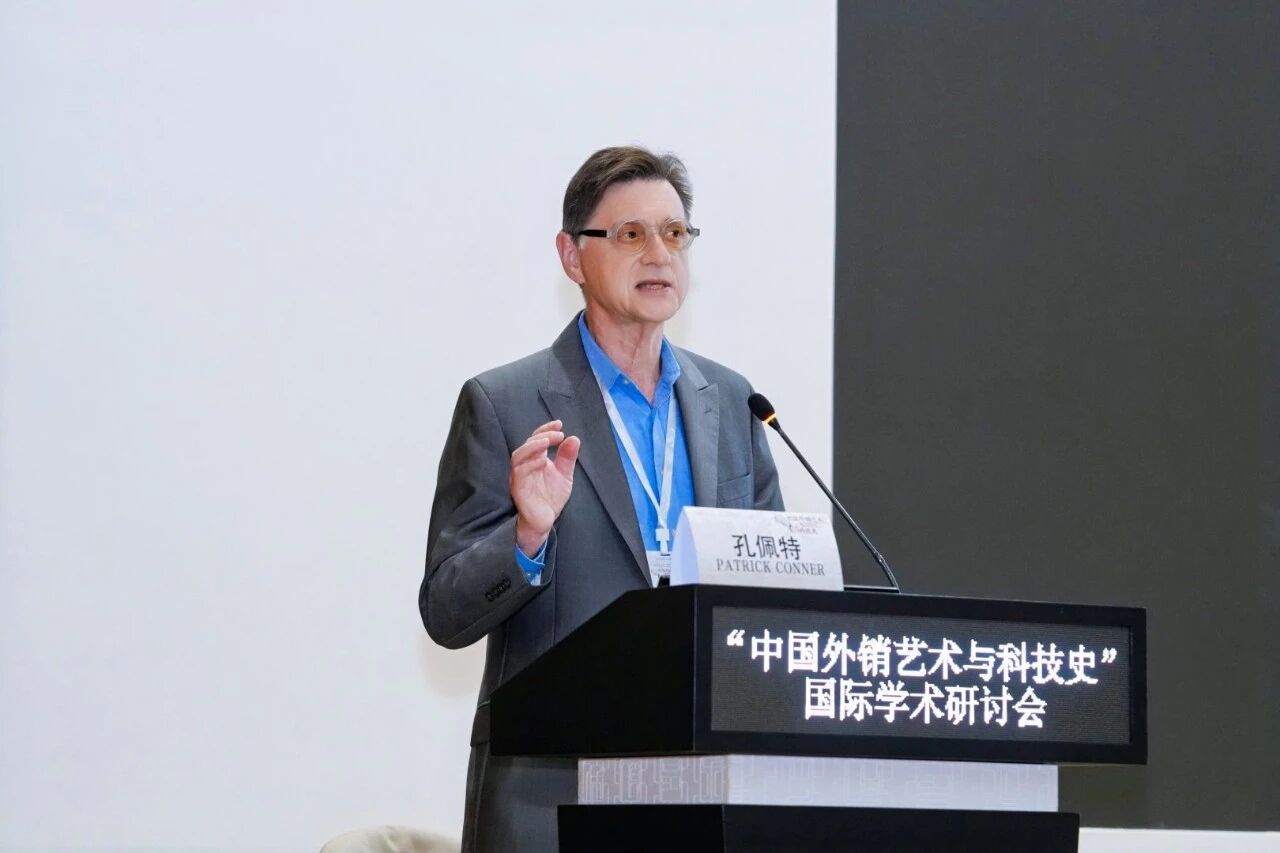
Patrick Conner, Curator at the Victoria and Albert Museum
Maria Mok, Director of the Hong Kong Museum of Art, delivered a keynote titled Redefining China Trade Paintings at The Hong Kong Museum of Art. She reviewed the museum’s pioneering work in collecting export art and emphasized the importance of in-depth research on export paintings in revealing Guangzhou’s trade history and the geographical, historical, and socio-cultural significance of East-West interactions. Mok also explored the underlying reasons for the market success of Chinese export paintings as an artistic genre.
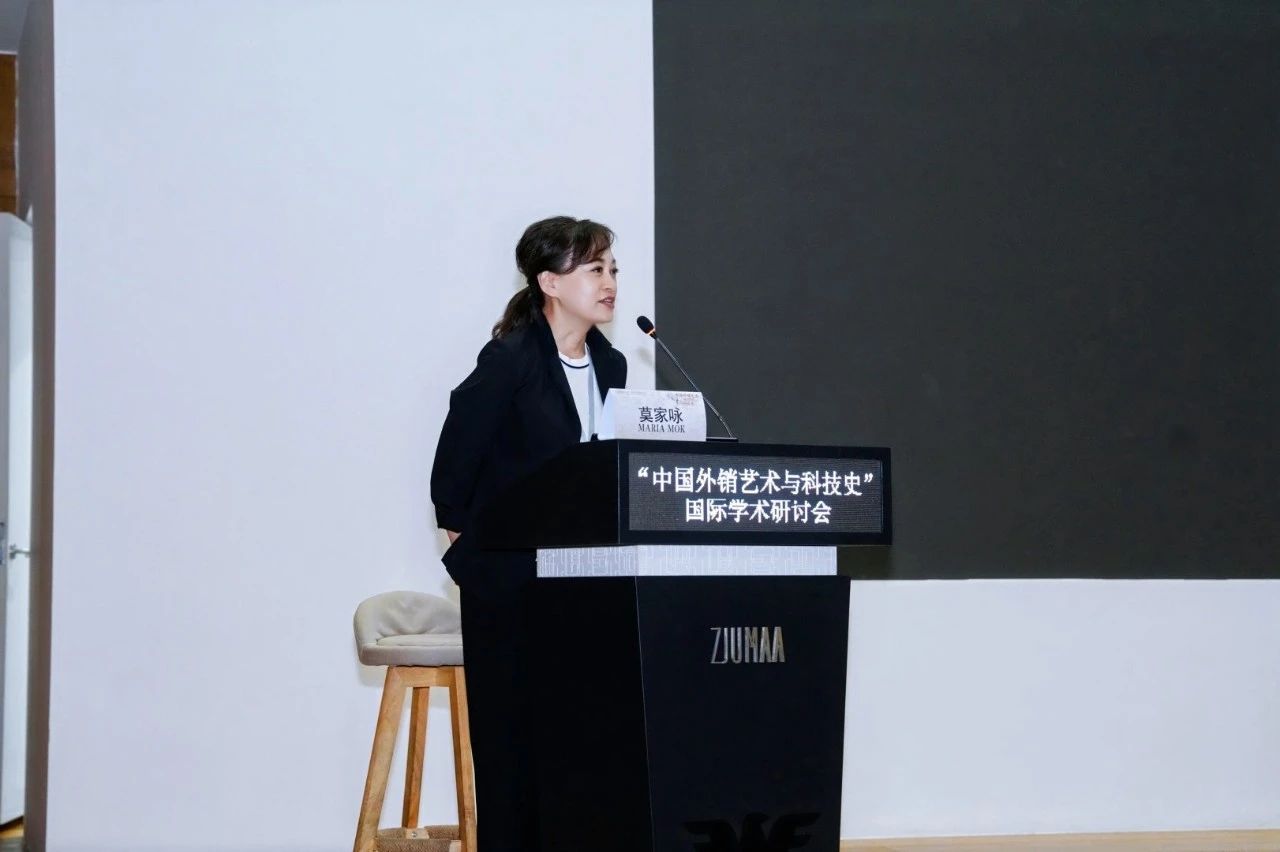
Maria Mok, Director of the Hong Kong Museum of Art
Yao Wu, the Huang Family Curator of Chinese Art and Culture at the Peabody Essex Museum in the US, presented Porous Boundaries, Multidisciplinary Methodology: An Institutional Perspective on “Chinese Export Art”. She introduced the newly opened Asian Export Art Gallery at the Peabody Essex Museum and its representative collections, advocating for moving beyond the simplistic East-West dichotomy that has characterized previous institutional and academic studies. Wu emphasized the need to examine the dynamic trajectories of Chinese export goods in production, circulation, and consumption, and to reconsider China’s role in global trade networks. She also proposed new possibilities for the expansion of export art in contemporary contexts.
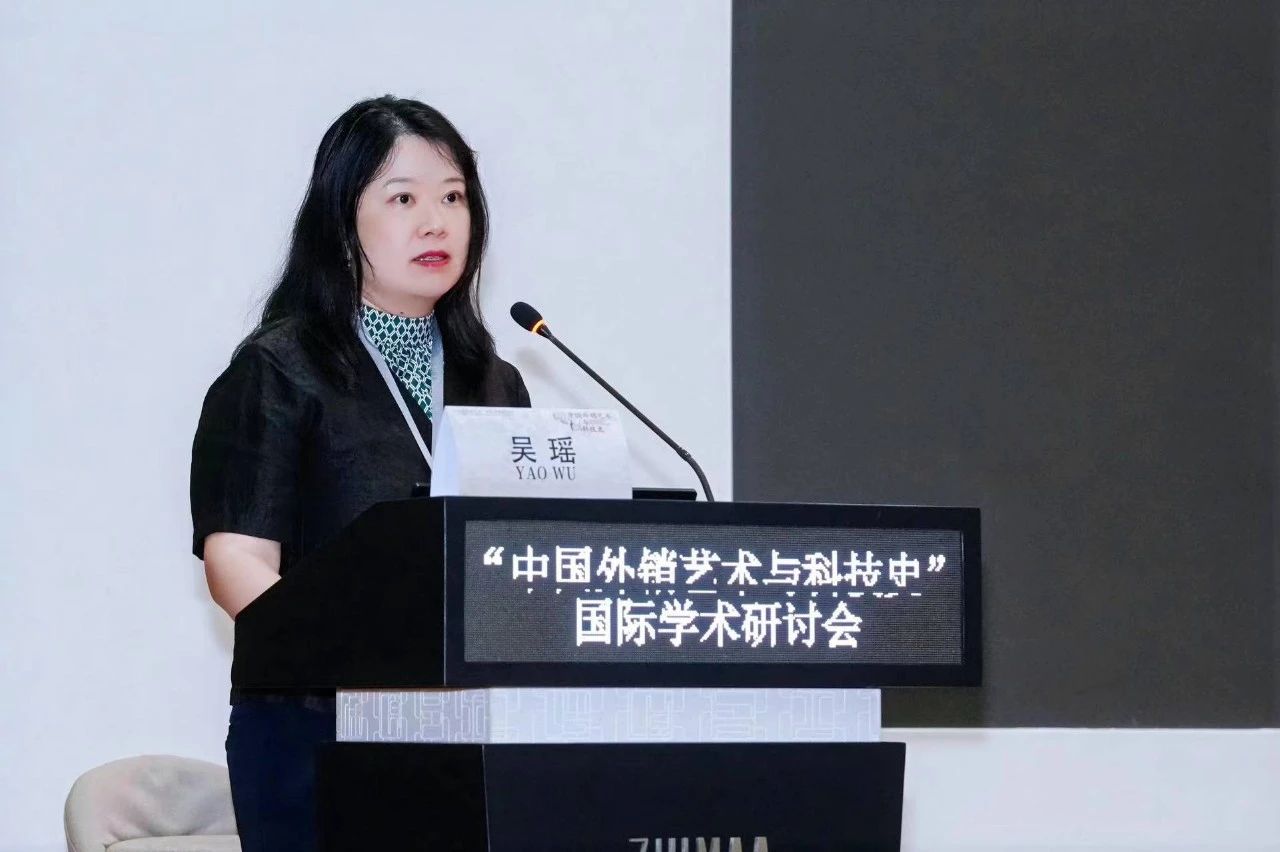
Yao Wu, the Huang Family Curator of Chinese Art and Culture at the Peabody Essex Museum in the US
Alexandra Loske, Curator at the Royal Pavilion in Brighton, UK, gave a keynote titled Colouring an English Palace: From Export Art to Chinoiserie at the Royal Pavilion in Brighton, England. Her presentation focused on the role of color, light, and reflective surfaces in the experience and appearance of the Royal Pavilion, while also explaining the historical context of these richly colored and ornate decorative schemes, including new color concepts emerging in the Romantic era and the advent of synthetic pigments.
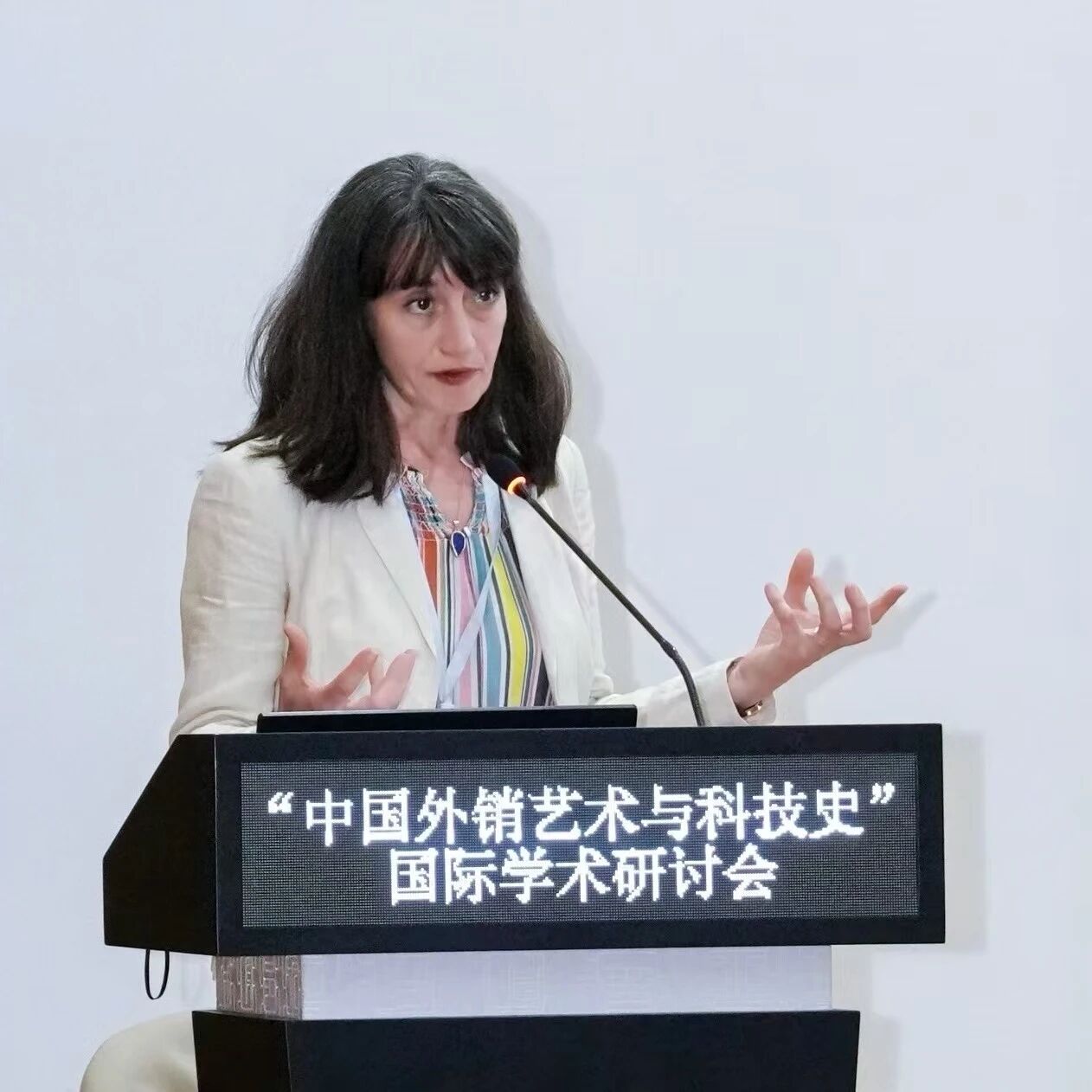
Alexandra Loske, Curator at the Royal Pavilion in Brighton
Anne Sophie Lienhard, Curator at the French National Archives, presented Chinese Manufacturing in the Archives of the French Ministry of Commerce and Industry: from the China Mission (1844-1846) to the 1900 Paris World’s Fair. She shared notes and correspondence preserved in the French National Archives related to the Théodose de Lagrené mission and the reports sent back by its representatives. Lienhard discussed the historical value of these archives from the perspective of the history of technology and the French administration’s views on Chinese production and consumption.
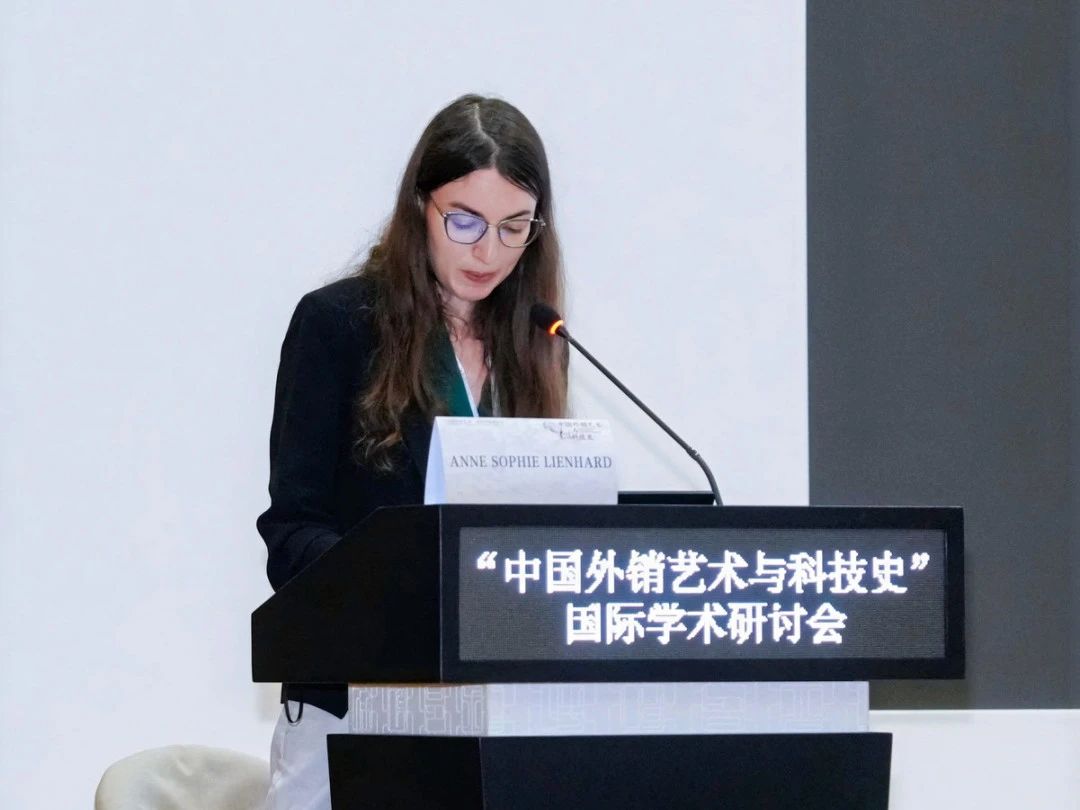
Anne Sophie Lienhard, Curator at the French National Archives
Professor Li Jun, Director of the Department of Art and Design at the University of Macau, delivered a keynote titled The “Transfiguration” of Ladies in Chinese and Western Art: A Transcultural Journey. He examined the phenomenon of female figures in 18th-century French Rococo art, particularly the works of François Boucher, which exhibited distinct Oriental influences. Li also explored similar trends in export paintings from the Pearl River Delta region, where Chinese female figures, though dressed in traditional attire, bore Western characteristics. He argued that both “Chinoiserie” and “Occidenterie” were results of cross-cultural aesthetic adaptations during this period, profoundly shaping 20th-century Chinese popular culture’s ideals of female beauty.
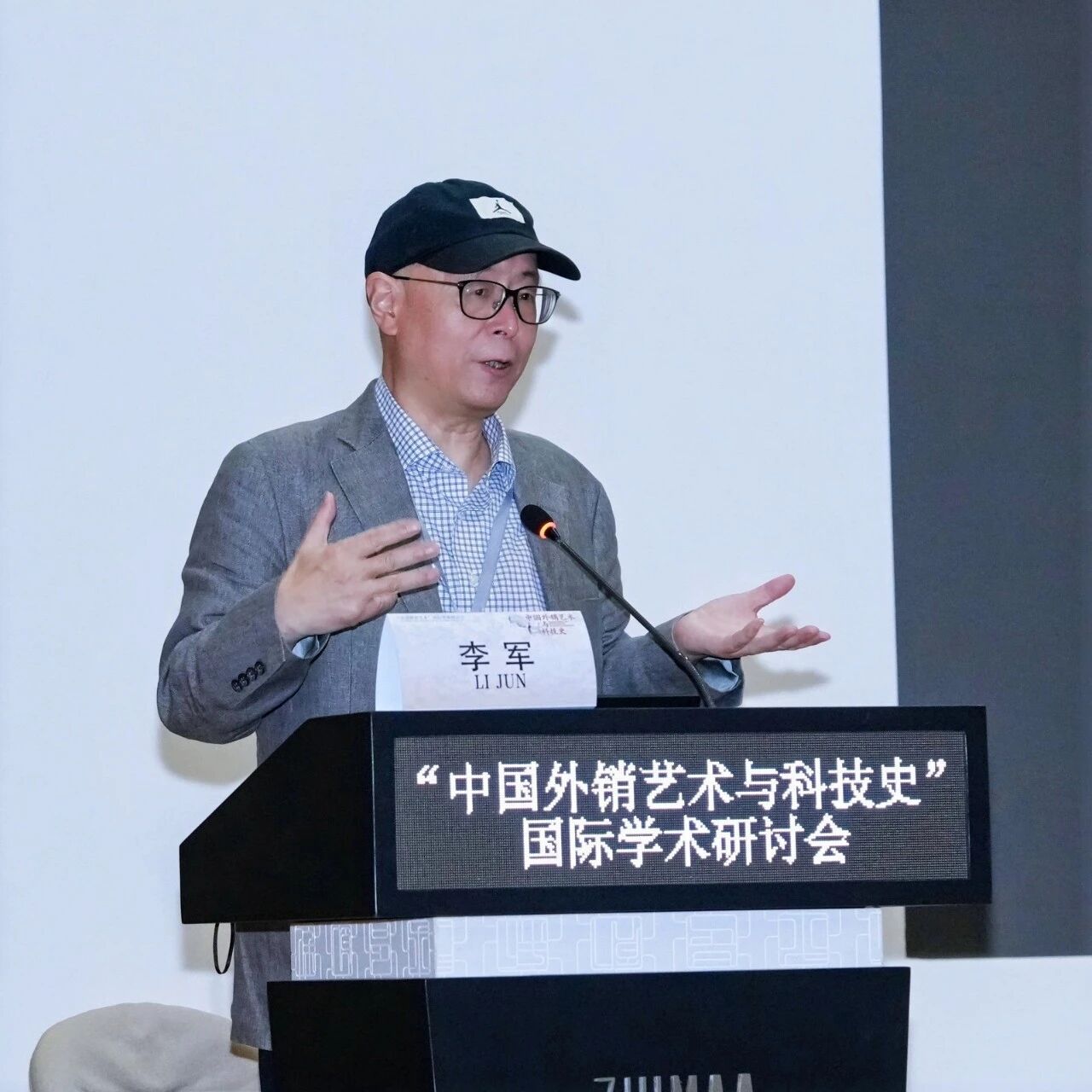
Professor Li Jun, Director of the Department of Art and Design at the University of Macau
Helen Persson Swain, Curator at the Fan Museum in London and former Senior Curator at the Victoria and Albert Museum, presented Chinese Painted Silks: Trade and Fashion. Her report focused on 18th-century Chinese painted silks exported to the West for use in clothing and home decor. Swain highlighted the role of these silks in Western fashion and their broader societal impact, using fashion history, textile history, and material culture studies to argue that the significance of Chinese painted silks extended far beyond mere “exoticism,” with Chinese artisans and merchants playing a more active role in their design, production, and trade than previously acknowledged.
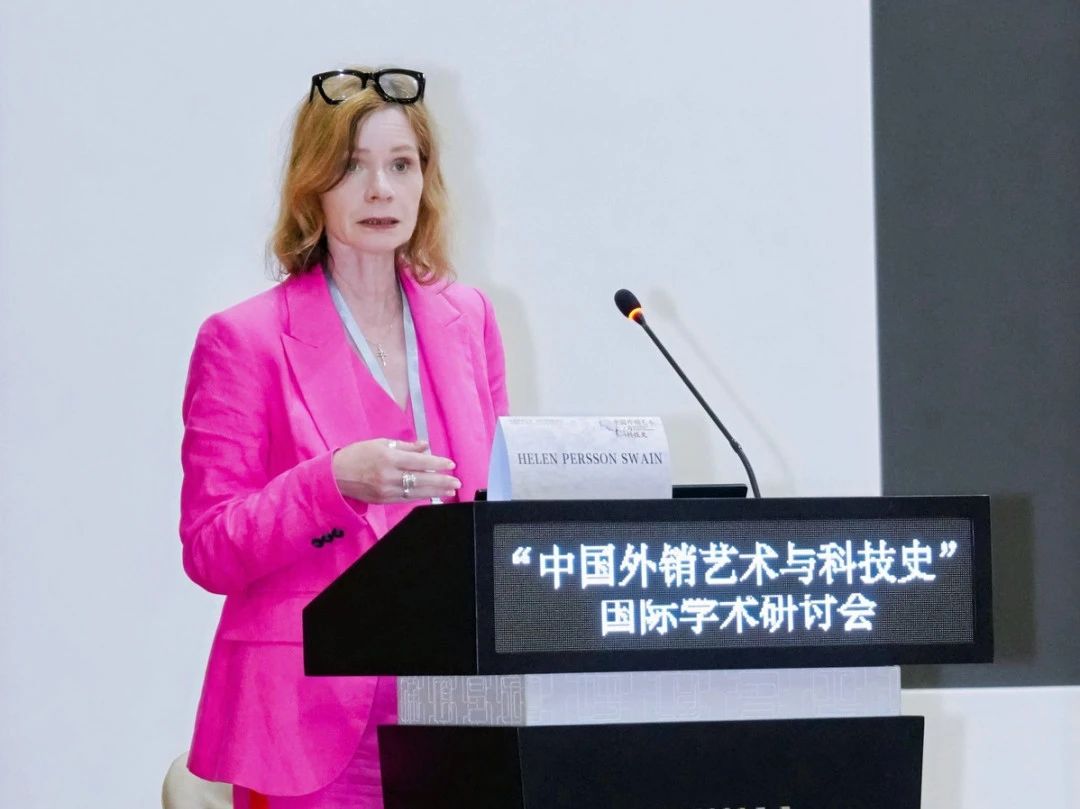
Helen Persson Swain, Curator at the Fan Museum in London and former Senior Curator at the Victoria and Albert Museum
Dr. Lianming Wang, Associate Professor in the Department of Chinese and History at City University of Hong Kong, gave a keynote titled Powerful yet Conquered: Picturing Dutch Tropes on Seventeenth-century Lacquer Screens and the “Martial Turn” in Early Qing Visual Arts. He conducted an in-depth analysis of a lacquer screen in Lisbon, challenging the prevailing view that it was a “Southern Barbarian Screen” and instead identifying it as a “Dutch Screen” produced by professional artisans during the Ming and Qing dynasties. Wang argued that the popularity of such screens from 1680 to 1700 marked a significant “martial turn” in early Qing visual arts, reflecting shifts in Han literati attitudes toward nomadic culture and military power, which played a key role in stabilizing the early Qing period.
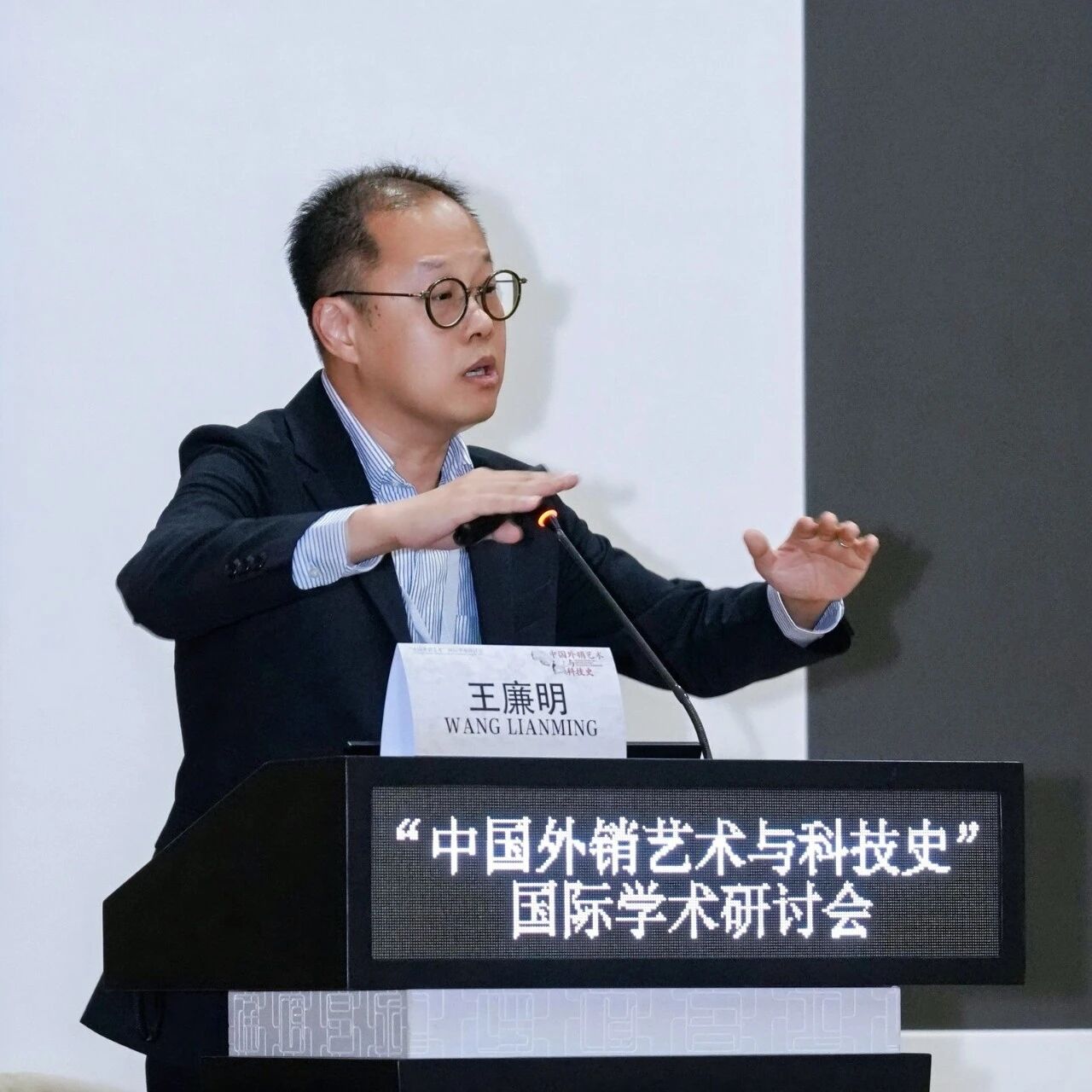
Dr. Lianming Wang, Associate Professor in the Department of Chinese and History at City University of Hong Kong
Maria Menshikova, Curator at the State Hermitage Museum in Russia, presented Asian Export Filigreed Silver for the Princesses of Prussia——Toilet Sets of Catherine the Great. She examined two mid-18th-century filigreed silver toilet sets in the museum’s collection, which had long been misattributed to European production. By comparing the sets with Catherine the Great’s 1789 inventory, Menshikova concluded that they originally belonged to the Russian empress. Her research revealed that one set of 19 pieces was of Indian craftsmanship, while the other set of 32 pieces, including a Chinese mirror, was produced in China. These artifacts not only showcase the exquisite metalwork of 18th-century Asia but also provide valuable insights into the aesthetic tastes and cross-cultural collecting practices of European courts at the time.
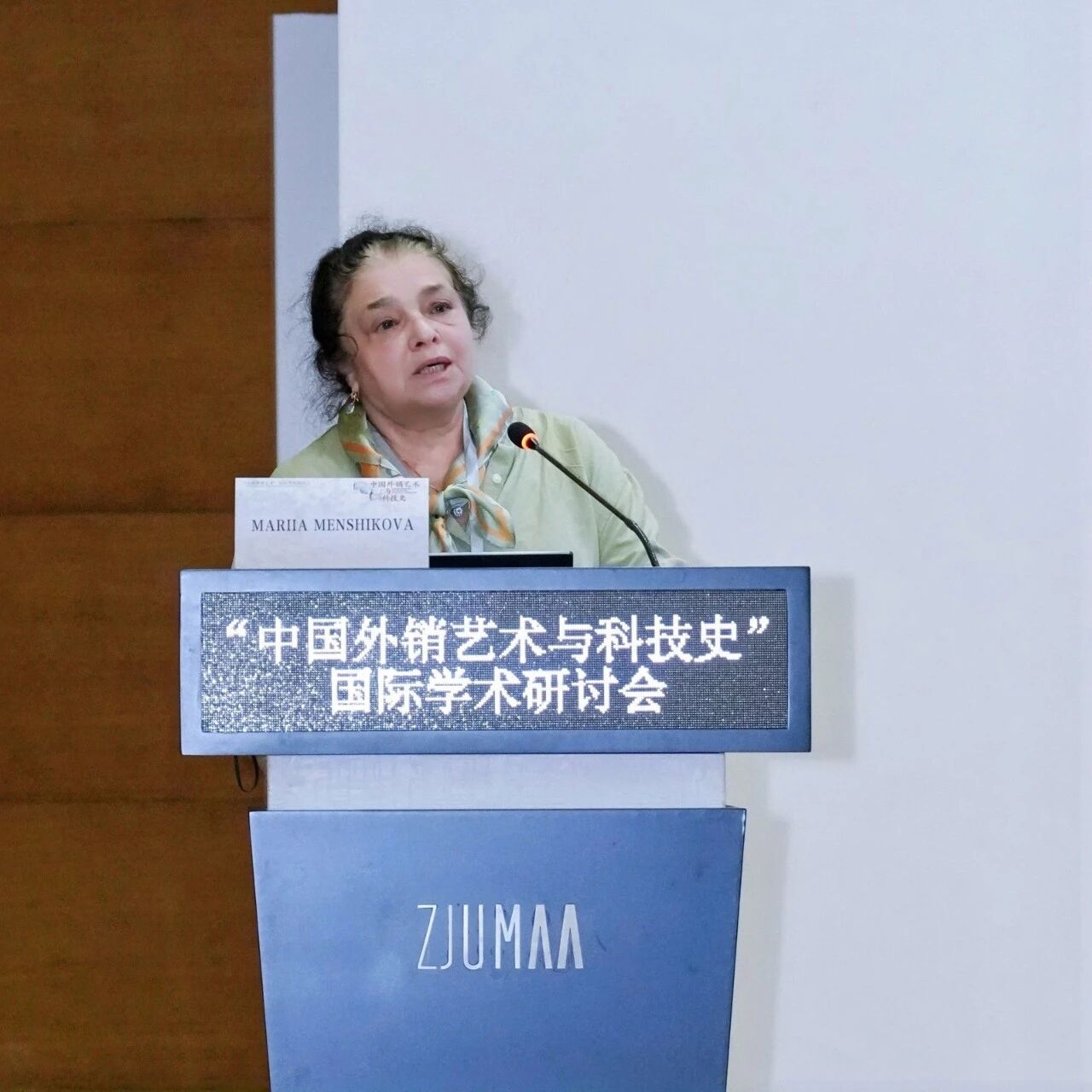
Maria Menshikova, Curator at the State Hermitage Museum in Russia
Anna Shulgat, Curator of Chinese Porcelain and Other Artworks at the Peterhof and Oranienbaum Palaces in Russia, delivered a keynote titled Chinese Export Art in Interiors of Peterhof and Oranienbaum Palace. She explored the Chinese export art collected by the Russian royal family in the 18th and 19th centuries, focusing on the history of these collections, the “Oriental Display Room” trend, Chinoiserie decor, and the use of Chinese items in palace interiors. Shulgat’s presentation highlighted the role of Chinese decorative art in Sino-Russian cultural exchange.
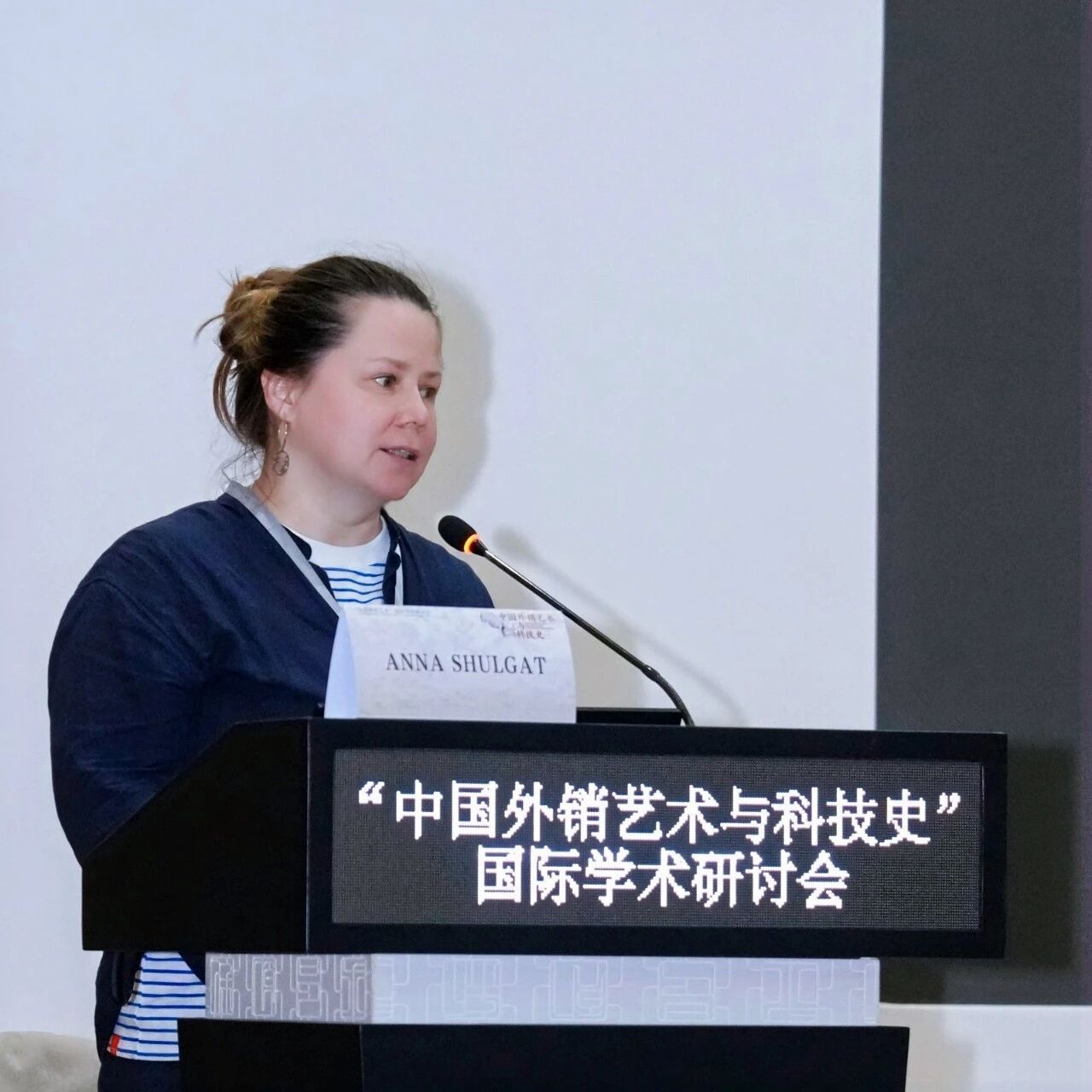
Anna Shulgat, Curator of Chinese Porcelain and Other Artworks at the Peterhof and Oranienbaum Palaces in Russia
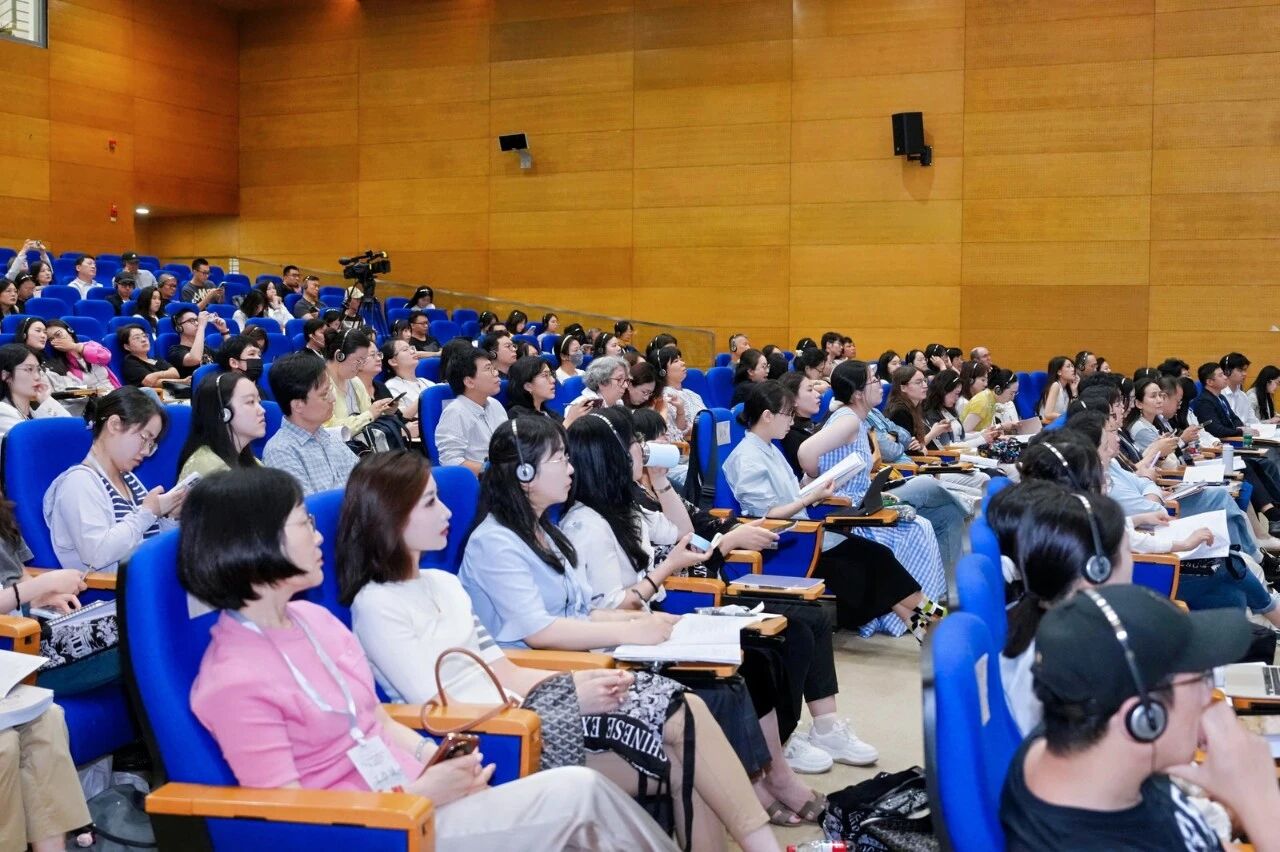
On the evening of June 7, the organizers held a preparatory meeting for the “Chinese Export Art” Organizing Committee. Twenty scholars from 16 universities and research institutions worldwide attended, including representatives from Zhejiang University, Fudan University, Donghua University, Sichuan University, Nankai University, the University of Macau, City University of Hong Kong, the Hong Kong Maritime Museum, the Hong Kong Museum of Art, the Guangdong Museum the Fan Museum in London, the State Hermitage Museum, the Royal Pavilion & Museums Trust in the UK, the Victoria and Albert Museum, the French National Archives, and the Peabody Essex Museum. The participants discussed the organizational structure and future development plans, unanimously agreeing to establish the “Chinese Export Art” International Academic Conference Organizing Committee, with its secretariat based at the Silk Art and Silk Road Research Center at Zhejiang University. The committee decided to hold annual academic conferences on related themes worldwide, with the 2026 conference to be hosted by the Hong Kong Maritime Museum. Continued attention and support from all sectors were warmly invited.
On June 8, the symposium moved into thematic discussion sessions. Nearly 60 scholars engaged in in-depth exchanges across ten thematic panels related to “Chinese Export Art.” Highlights from these discussions will be shared in subsequent posts.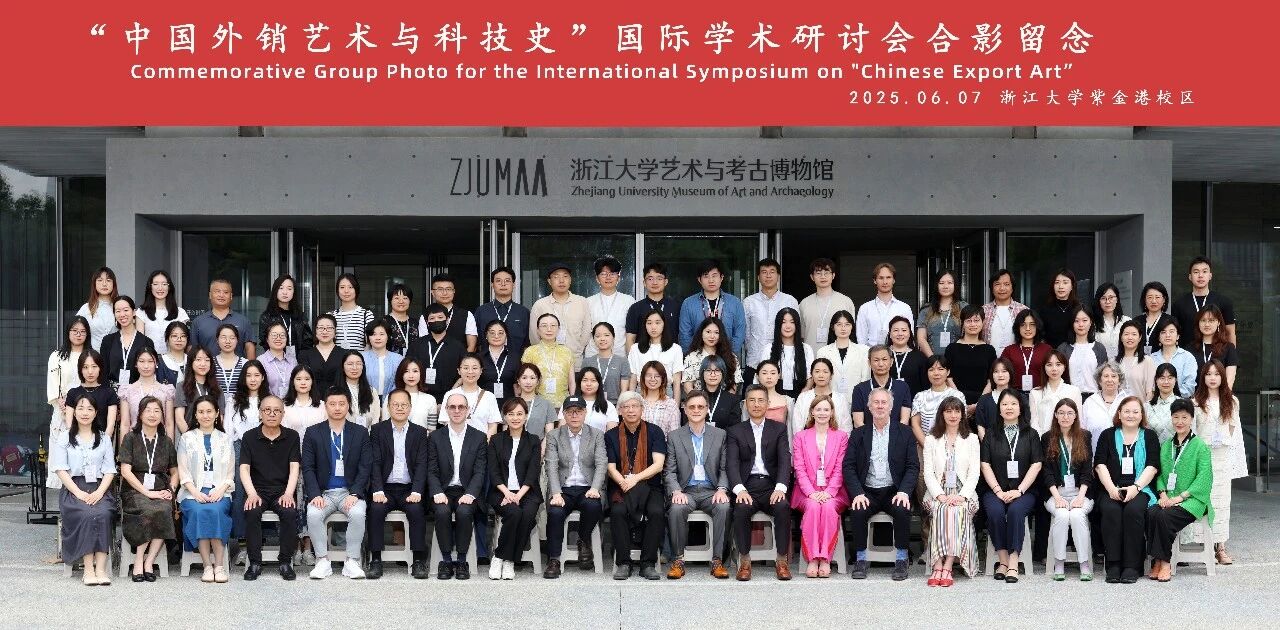 Group Photo of Participants at the International Academic Symposium on “Chinese Export Art and the History of Science and Technology”