

Helen Wang|Aurel Stein Archives and Silk Road Studies
From 16-17 Jun 2025, Helen Wang,adjunct researcher at the School of Art and Archaeology Zhejiang University gave a series of workshops on Aurel Stein Archives and Silk Road Studies.
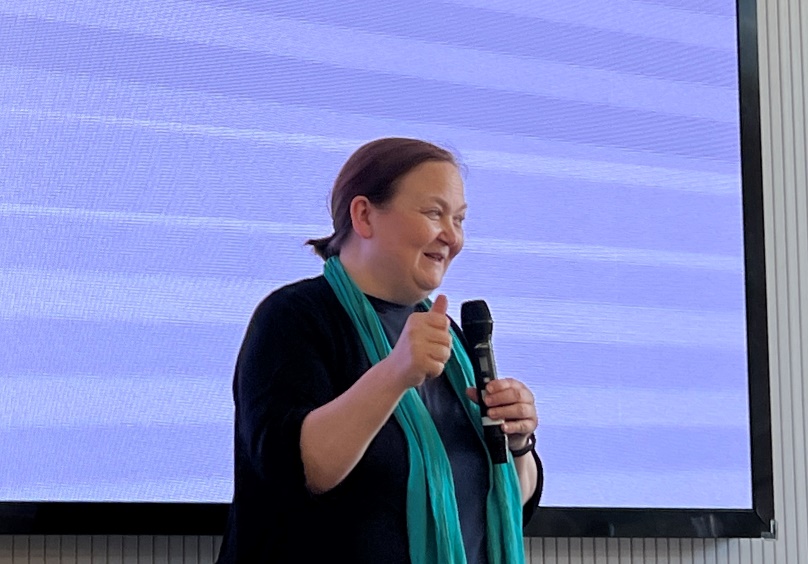
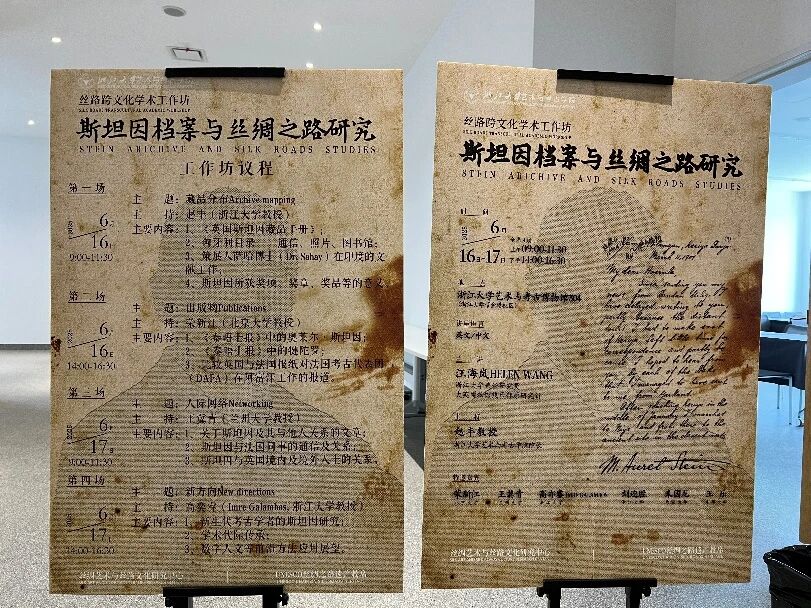
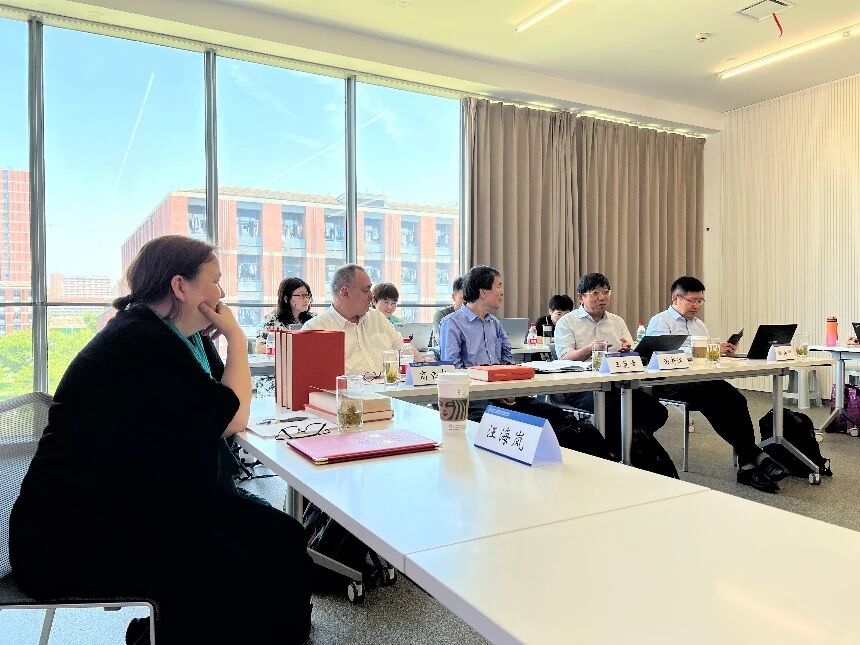
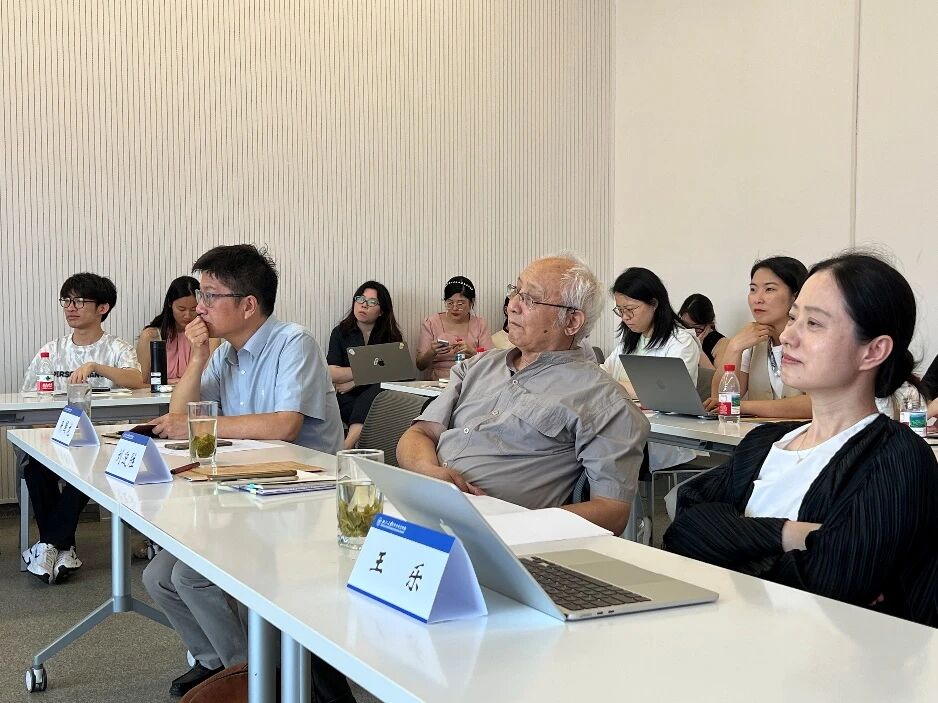
In the first session(9-11:30am, 16 Jun 2025), Helen recalled that during the Cold War, the world had been closed. She had grown up in England, and the Berlin Wall was a concrete symbol of the barriers between East and West. When the Berlin Wall and other barriers came down in the 1980s, suddenly the world opened up. But after years of separation, and propaganda, some mediation was needed to overcome the differences.
Helen then outlined UNESCO’s 5 Expeditions in the 1990, noting the number of participants, the high ratio of media to scholars, the distances covered, the formal conferences that took place and the legacies. The legacies included the establishment of research institutes—the International Institute for Central Asian Studies (IICAS) and the International Institute for the Study of Nomadic Civilizations (IISNC)—and the first major Silk Road exhibition “Sérinde, Terre du Boudha, Dix siècles d’art sur la Route de la Soie”, at the Grand Palais, Paris, October 1995 – February 1996, curated by Jacques Giès (Musée Guimet) and Monique Cohen (BnF).
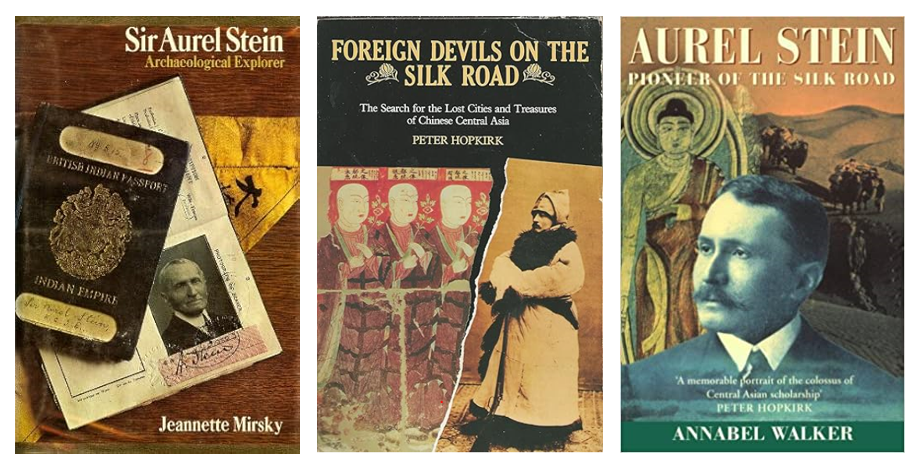
This was the background to Helen’s early years at the British Museum in the 1990s. The Silk Road was a big subject. People came to the BM to ask questions about the Silk Road and especially about Aurel Stein and his collections. By this time there were three biographies of Stein: Sir Aurel Stein, Archaeological Explorer, Foreign Devils on the Silk Road, and Aurel Stein, Pioneer of the Silk Road. Helen noted that “archaeological explorer” was the job title Stein wanted, but it was a terrible combination of words then and now. Foreign Devils on the Silk Road was the most popular of the three, but the content was often misleading. Aurel Stein, Pioneer of the Silk Road was not a good choice either, as Stein avoided the term “Silk Road”. When Annabel Walker, Stein’s biographer, asked Helen “Was Stein a competent archaeologist?”, she was not able to answer this question. The question stayed in her mind for many years. Helen came across only one person who had met Stein – that was Peggy Drower (1911-2012), who was described in her obituary as the last student of Sir Flinders Petrie, and a link between two eras of archaeology.
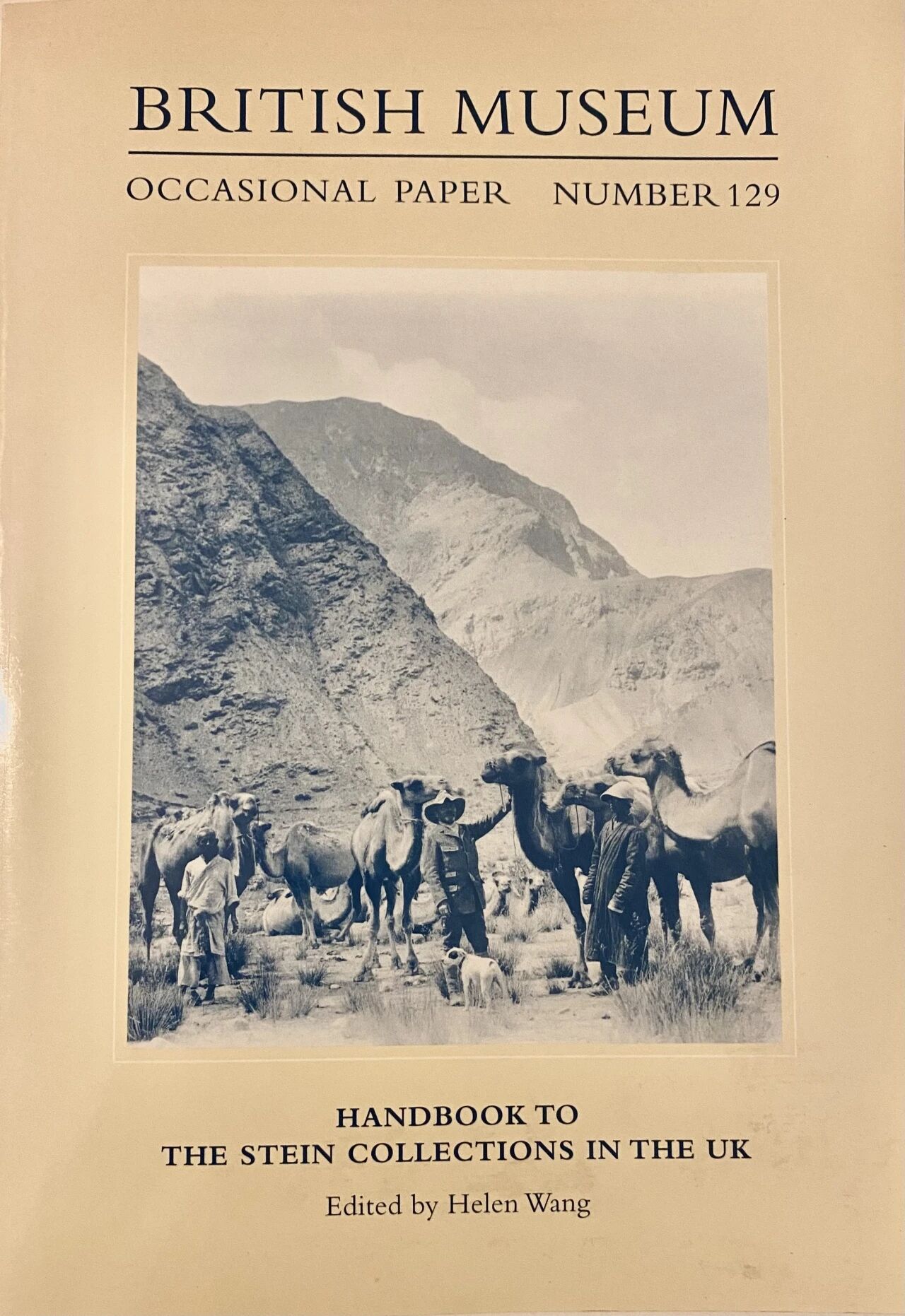
Stein’s collections are housed in various institutions in the UK, Hungary and India. When researchers started asking questions about Stein’s collections, the curators, librarians and archivists formed a small group. In 1999 they put their knowledge together and Helen edited the Handbook to the Stein Collection in the UK. She devised 5 simple headings for each institution: collection history, collection description, publications, access, and contact details. She also compiled a bibliography of works by Stein and about him and his collections. When this book was published, Dr Éva Apor of the Library of the Hungarian Academy of Sciences proposed collaborating to produce a catalogue of their collection, which comprises correspondence, photographs, news cuttings and Stein’s library.
The Hungarian team comprised Éva Apor, Ágnes Kelecsényi and Ágnes Kartészi; the UK team comprised Helen, Lilla Russell-Smith and John Falconer. The Catalogue of the Collections of Sir Aurel Stein in the Library of the Hungarian Academy of Sciences was launched at a British Museum study day in 2004, along with Helen’s new book Sir Aurel Stein in The Times (a collection of over 100 articles by or about Stein in The Times newspaper, with annotations by Helen). There were eight papers at the Study Day – two about Stein and Hungary, one about his working methods (from meticulous note-keeping, to diaries, to popular travel account to detailed report, plus his copious letter-writing), and about his fieldwork: an account of his Fourth Expedition to China, and his work in Iran with Bahman Karimi who accompanied him for one and a half years in Iran, and a comparison of Stein’s and Williamson’s fieldwork in Iran thirty years apart. At the Study Day, Helen introduced her book, but for the proceedings, she published a guide to the BM Central Archives on Stein.
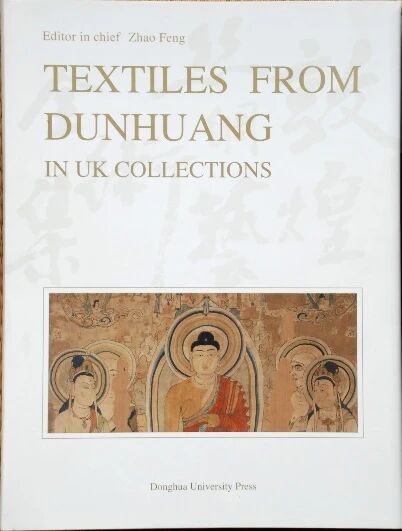
In 2006, Zhao Feng came to the British Museum to work on the Textiles from Dunhuang in UK Collections project. The Chinese team comprised Zhao Feng, Wang Le, and Xu Zheng; the UK side comprised Helen (British Museum), Frances Wood (British Library) and Helen Persson (V&A). This book was launched in separate Chinese and English editions at the international conference “One Hundred Years of Dunhuang, 1907-2007”, in June 2007, marking the anniversary of Stein’s first visit to Dunhuang. The papers from this conference were too diverse to publish a proceedings, but some were published a few years later in the volume Aurel Stein, Colleagues and Collections. The title was inspired by Frances Wood’s wish that the conference reflect not only the importance of the collections, but also the early, friendly collaborations with Chinese scholars and conservators in the 1990s.
Helen noted that there had been a consistent group of people working on the Stein collections for 25-30 years, including Dr Sahay who worked on the Stein collection of the National Museum of India. Sadly, he died a few years ago. Although much work has been done on the documentation and digitisation of the collection in India, it is not well known outside of India.
In the last part of her first session, Helen said that as a result of working on the Handbook to the Stein Collections and Stein in The Times, she learnt that Stein received at least 28 honours (medals, awards, honorary doctorates, etc) including 9 medals/prizes for geography, 3 honorary doctorates, and awards and honours for Asian studies, archaeology, and anthropology, from institutions in the UK (14), France (4), Hungary (3), Germany (2), USA (2), Switzerland (1), Russia (1) and Austria (1). However we look at Stein’s work today, those honours show that his contemporaries held him in high esteem.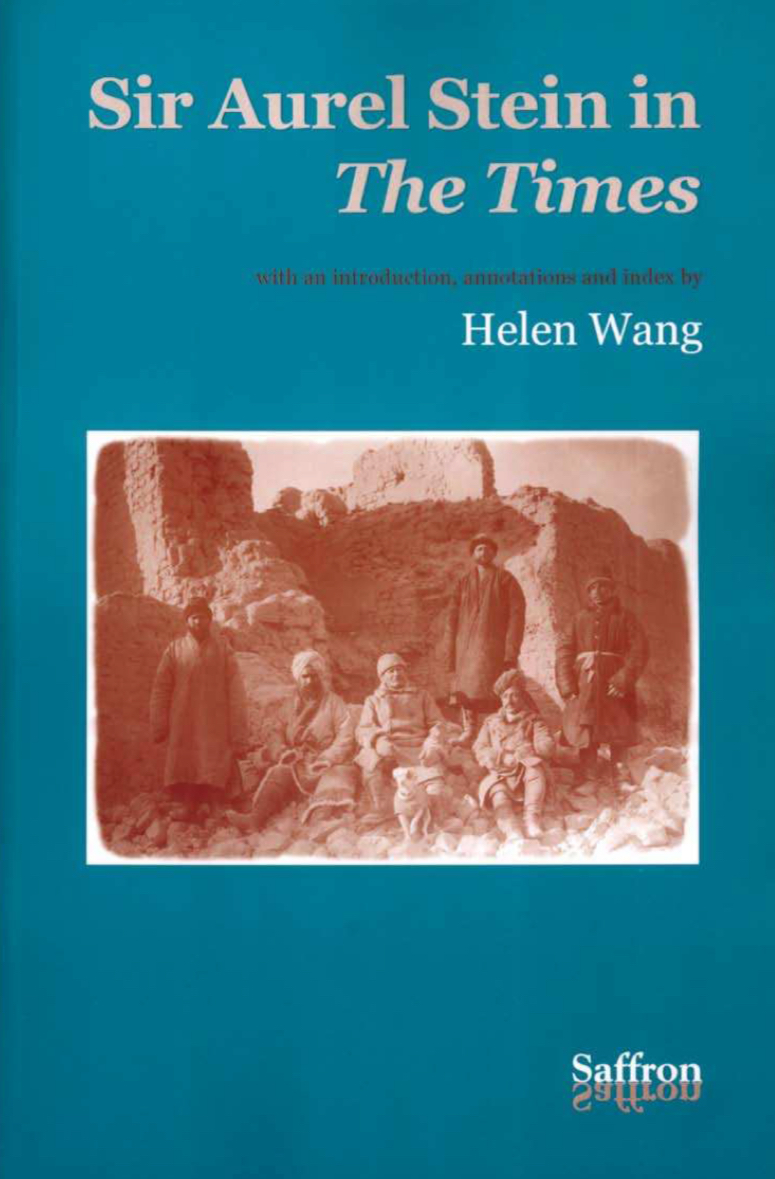
The second session of workshop examined evolving methodologies for historical research using archives. Participants contrasted pre-digital and digital workflows. Helen outlined the multi-step process of compiling Sir Aurel Stein in The Times in the 1990s: visiting major libraries, consulting printed indexes, manually transcribing references, locating microfilm reels, operating viewing machines, and paying for coin-operated prints.
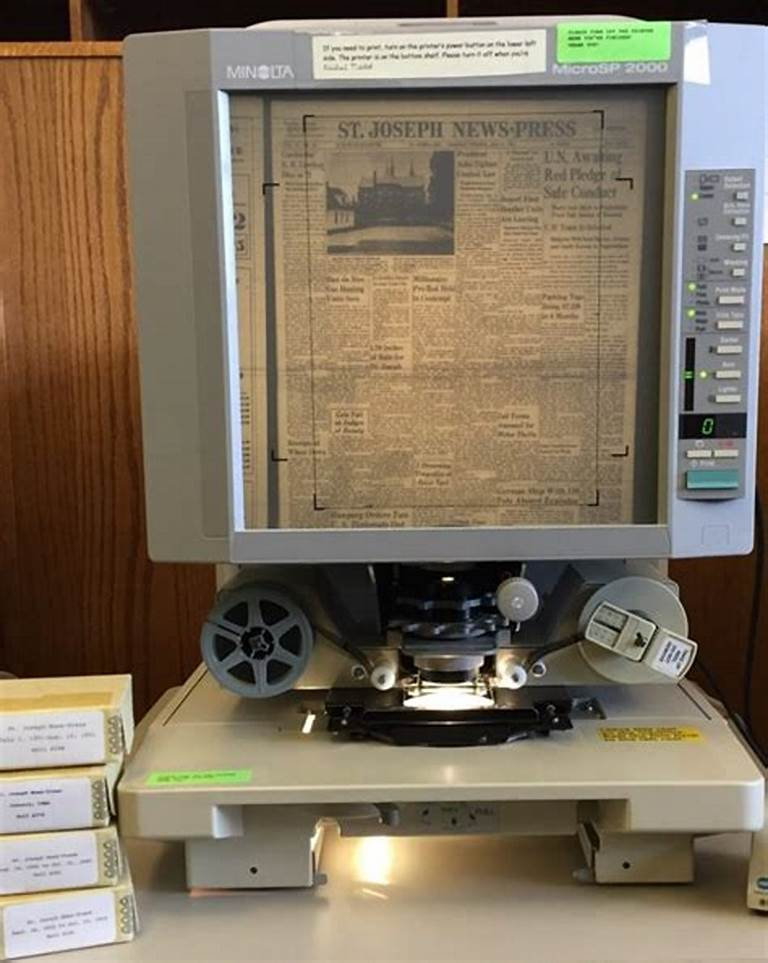
The Microfilm Machine
Today, thanks to The Times Digital Archive, this kind of work can be done much more efficiently. Helen demonstrated the digital shift through a search for Aurel Stein, and used the frequency tool on The Times Digital Archive, which showed peaks in the early 1930s and the early 2000s.
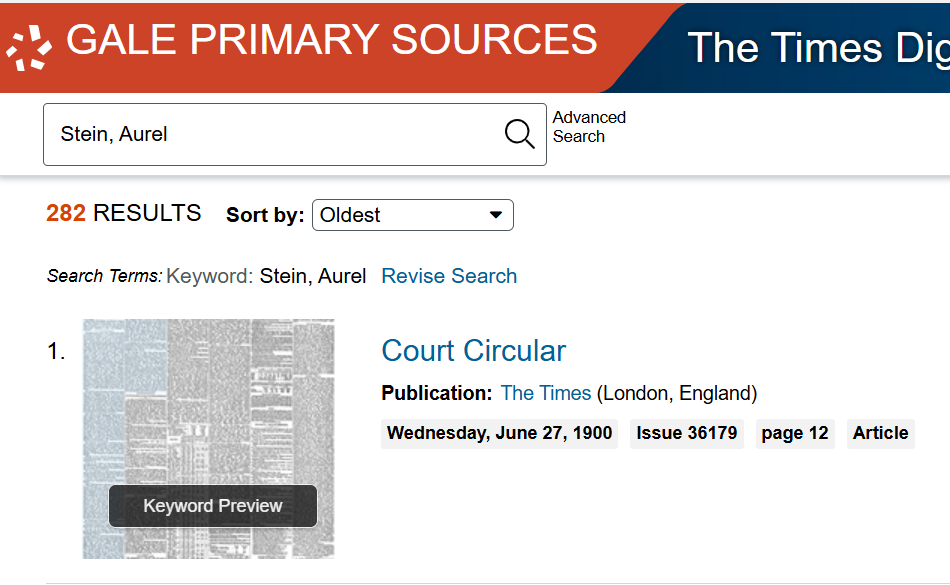
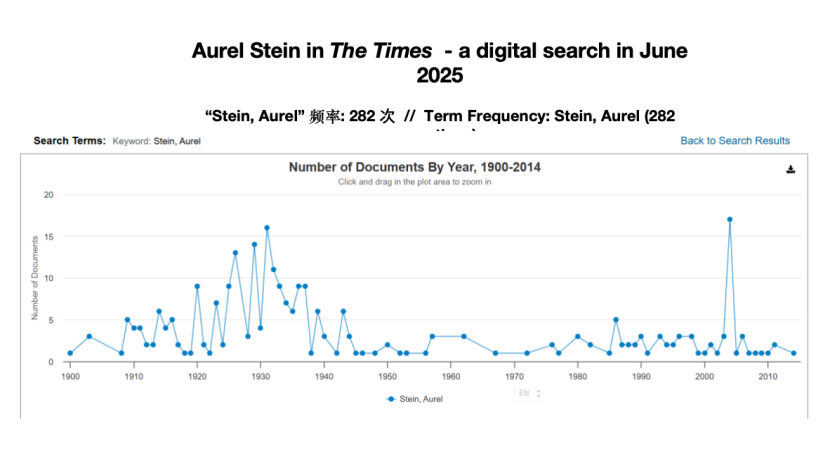
View the result in The Times Digital Archive
In another project, for a Gandharan Connections project at Oxford in 2020, tracking the use of the term “Gandhara” over 100 years in The Times Digital Archive and British Newspaper Archive, revealed the lexical evolution of this term from Second Anglo-Afghan War (1878-1880) reports to later associations with Greco-Buddhist art.
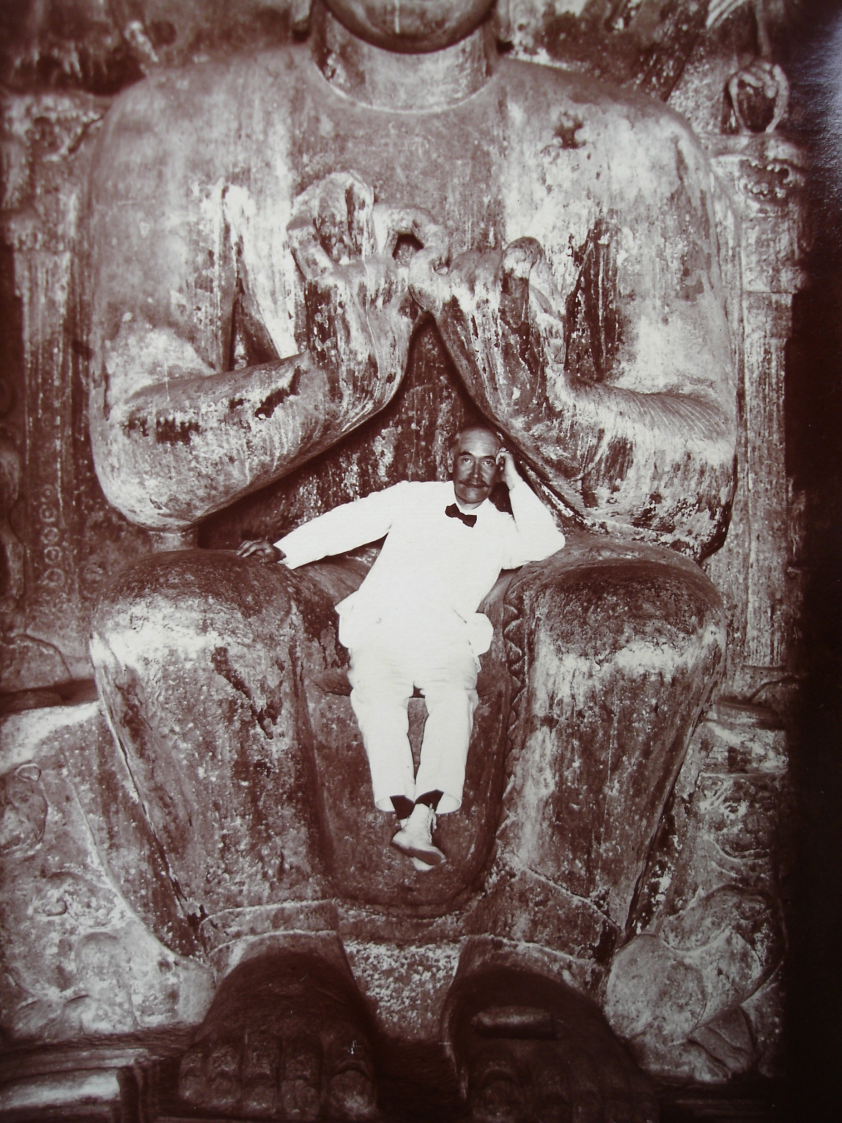
Alfred Foucher (1865-1952), French archaeologis,the “Father of Gandhara”
Tracing “Gandhara” through newspaper reports also revealed information and events that have been neglected in the standard academic histories of Gandharan art.
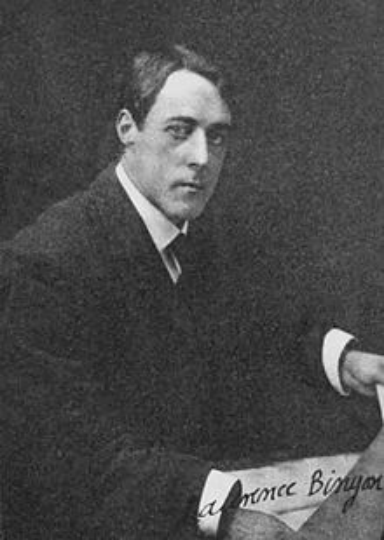
Laurence Binyon (1869-1943)
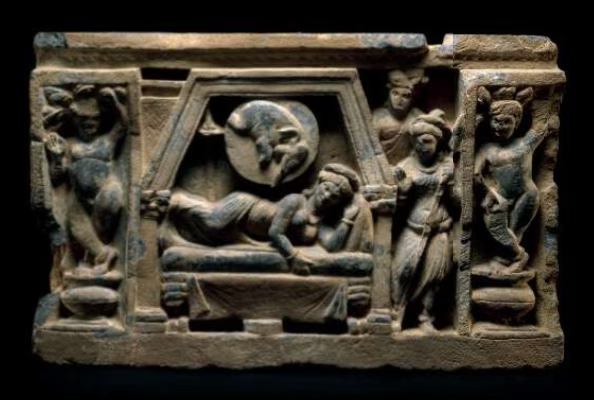
The Dream of Queen Maya (BM 1932,0709.1)
Analysis exposed Western preference for the Hellenistic aesthetics of Gandhara over indigenous Indian art forms, and documented advocacy efforts by the India Society and British Museum curator Laurence Binyon.
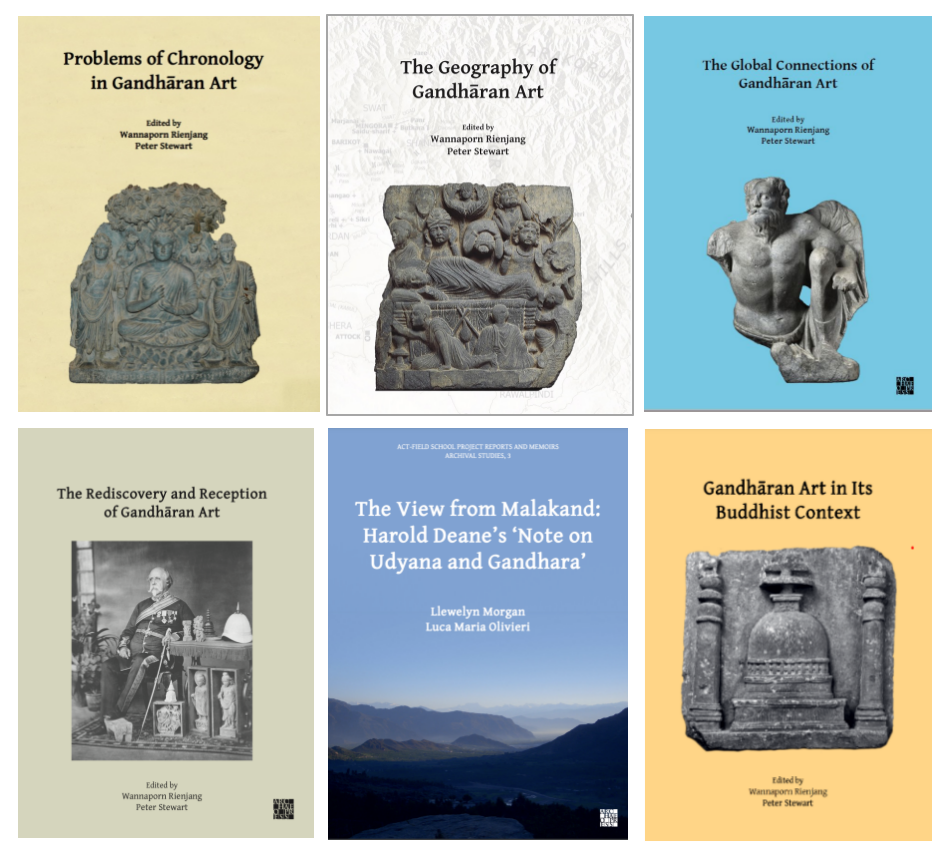
Books from The Gandhara Connections Project
Both of these projects catalyzed international collaborations, including an ongoing project initiated by French scholar Annick Fenet to examine Stein’s academic networks with French scholars. Dr Fenet is known for her detailed studies of Alfred Foucher, the “father of Gandhara studies”. In another project, Annick Fenet and Helen Wang compared press coverage in non-academic French and British newspapers and journals about the French Archaeological Delegation’s (DAFA) excavations in Afghanistan. They presented this project at a conference in Paris marking the centenary of DAFA.
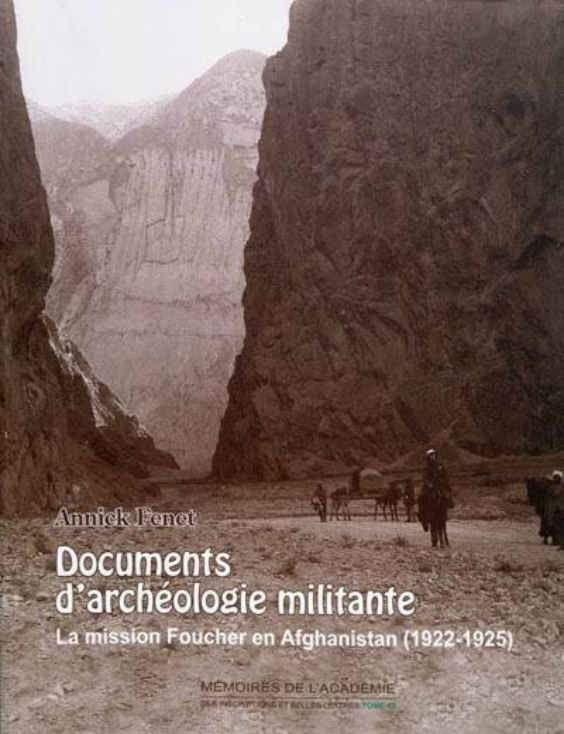
Annick Fenet and her book on Alfred Foucher
As the focus of this session was on publications, participants introduced a range of old and new publications, in various languages, some in printed book form, others in digital form. The session highlighted the importance of archival work, in particular, the maintenance and documentation of archives, and the benefits of accessibility to archives (in person or online, and through catalogues of archives). Participants also discussed future archives.
In the third session, Helen spoke about networks. She described the team in the Department of Coins and Medals at the British Museum and their achievements over 30-40 years as a centre of Silk Road studies.
The third session covered Joe Cribb’s work on Kushan and Kushano-Sasanian coins; Elizabeth Errington’s work on Gandharan sites and Charles Masson’s archaeological excavations in Afghanistan in the 1830s; Vesta Sarkhosh Curtis’s work on Parthian and Sasanian coins and culture; as well as Helen Wang’s own work: Money on the Silk Road in Eastern Central Asia,Textiles as Money on the Silk Road and Textiles from Dunhuang in UK Collections.
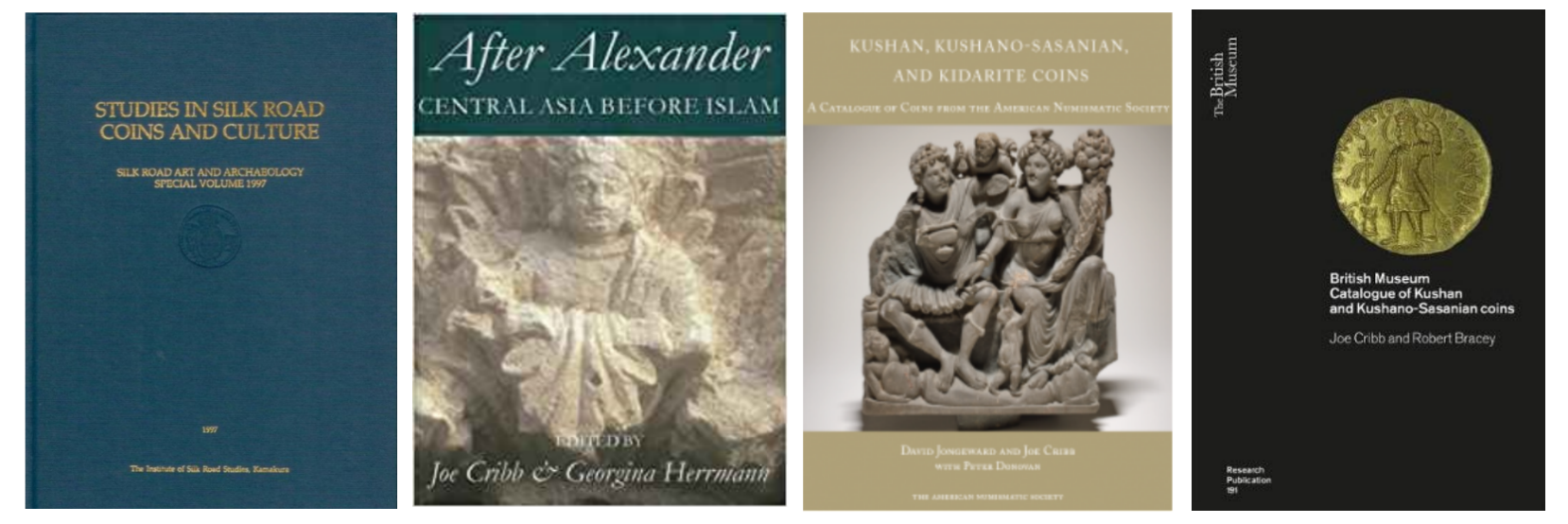
Some of Joe Cribb’s collaborative research on Central Asia, especially the Kushans
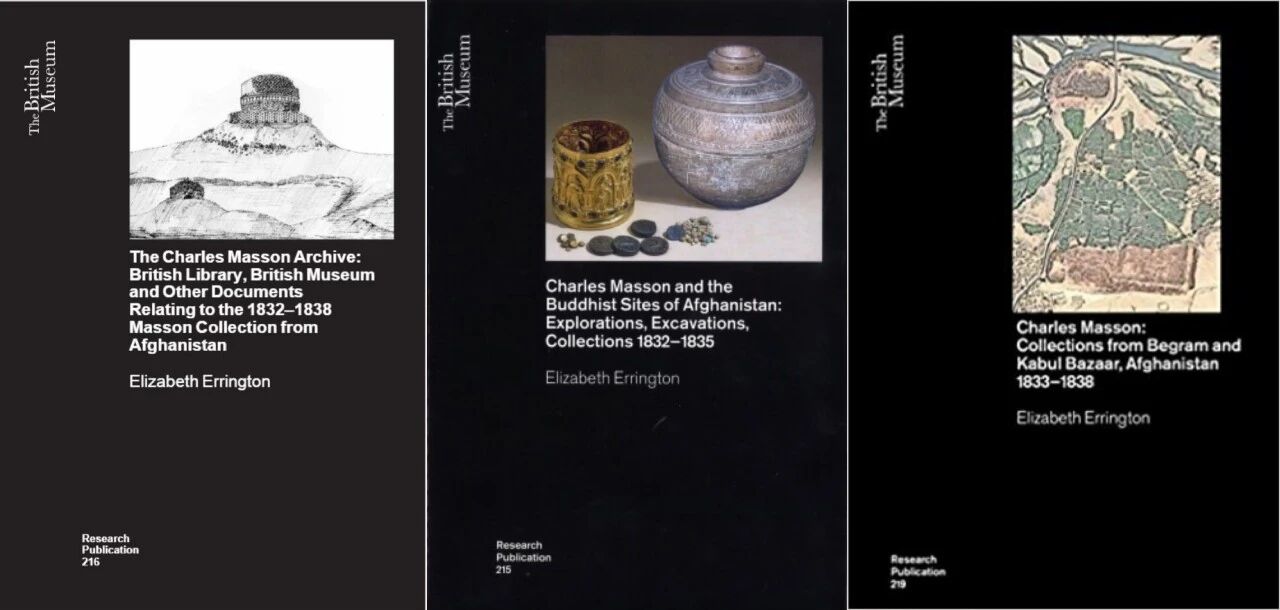
Elizabeth Errington’s work on Gandharan sites
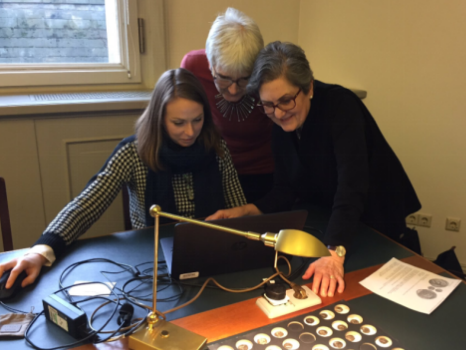
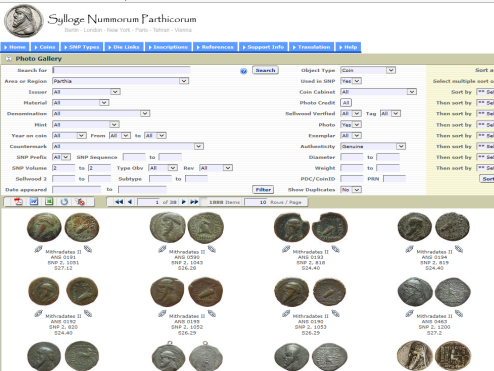
Vesta Sarkhosh Curtis and team work on
The Parthian Coin Project
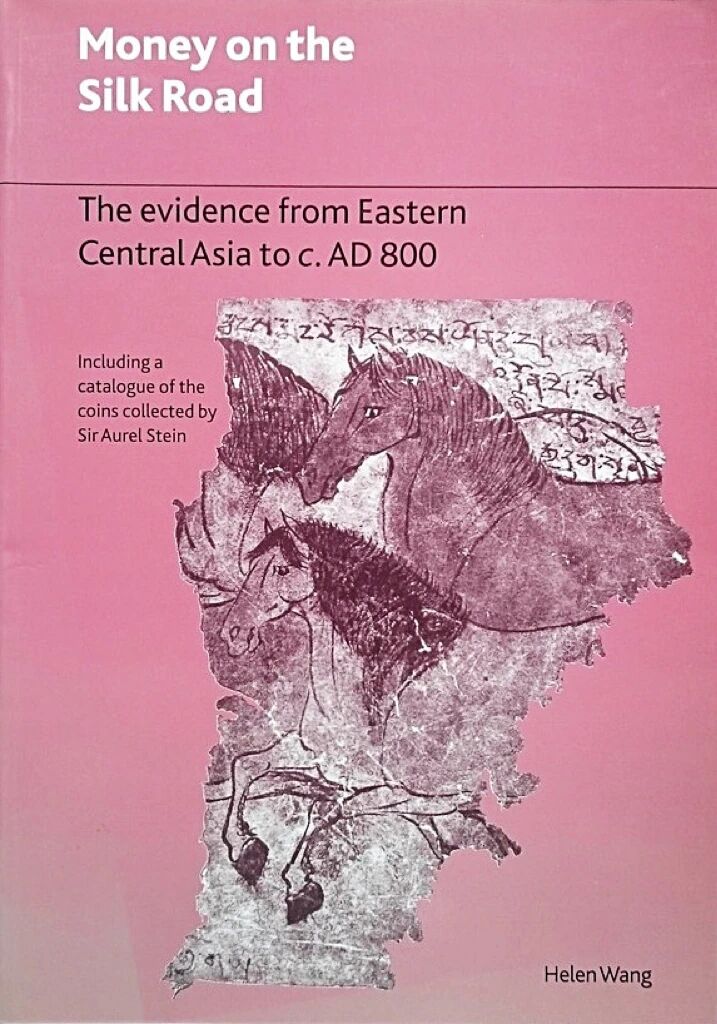
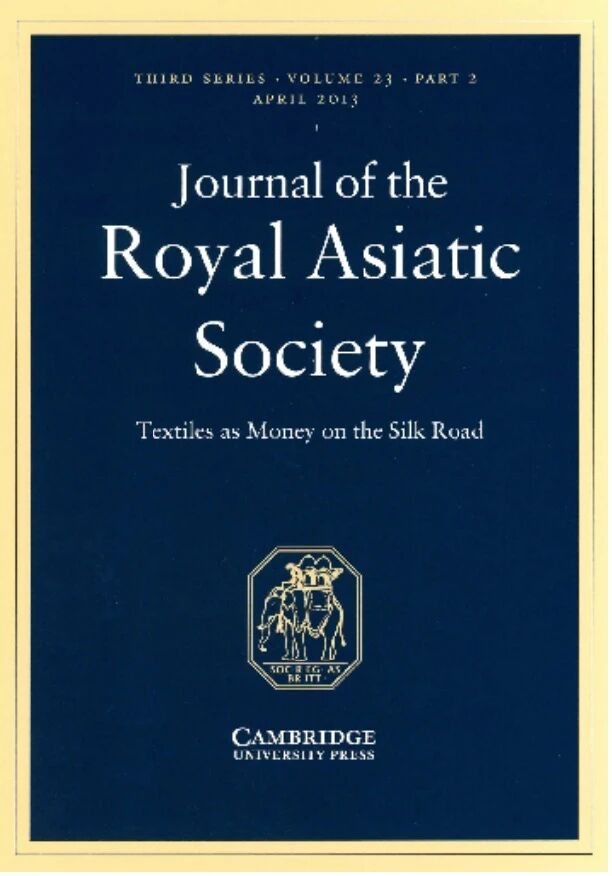
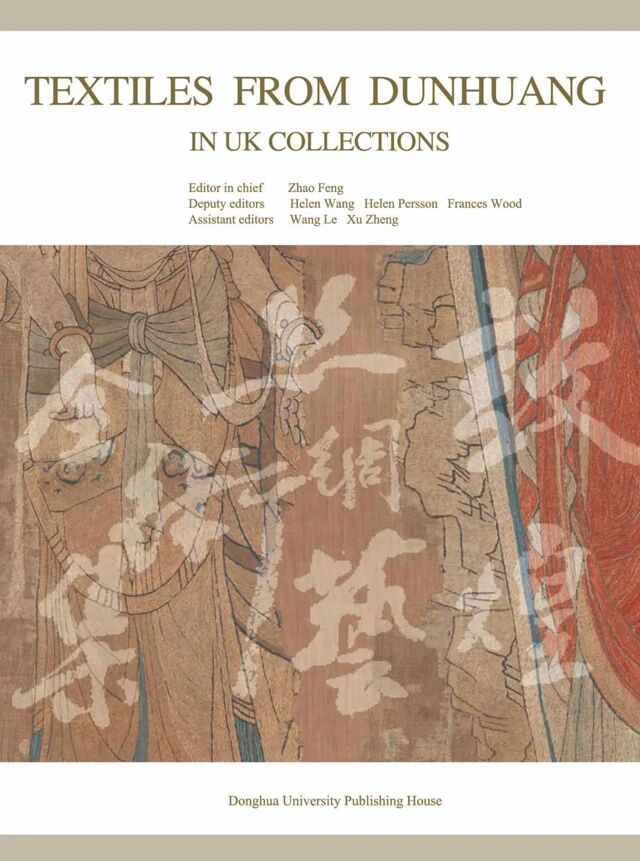
Helen Wang's work on the Silk Road
Today, the old team has left the BM, mostly retired, although still active. For example, Joe Cribb is now Adjunct Professor of Numismatics at Hebei Normal University, and Honorary Vice President of the Royal Numismatic Society. There is now one person – Robert Bracey - responsible for all the British Museum’s important collections of Asian coins. The publications continue: Cribb and Bracey’s Catalogue of Kushan and Kushano-Sasanian Coins will be published this summer; and Errington’s comprehensive survey of archaeology at Gandharan sites will be published soon.
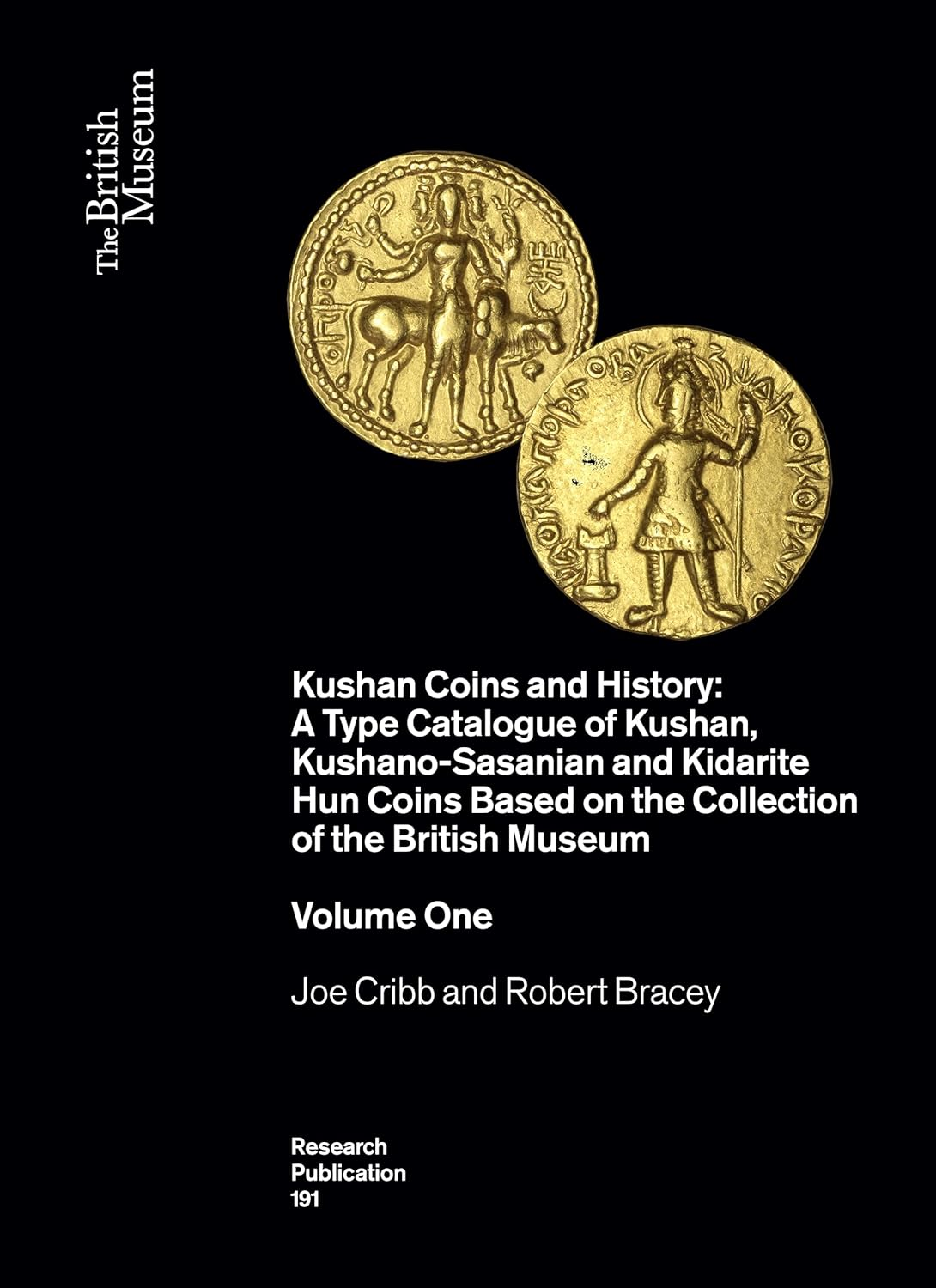
Robert Bracey joined the Dept to work with Cribb on Kushan coins (the catalogue will be out soon)
In the UK, the Stein curators were an informal group, and as the International Dunhuang Project grew under the directorship of Susan Whitfield, the group came to rely on IDP and the IDP Newsletter for information. Today, IDP has been renamed as the International Dunhuang Programme, and its work continues in the UK and internationally. Unfortunately, the IDP Newsletter has not been replaced.
Susan Whitfield writes a blog called “Silk Road Digressions”. Forthcoming posts will include Stein’s friendships with women, and a piece on Jiang Xiaowan.
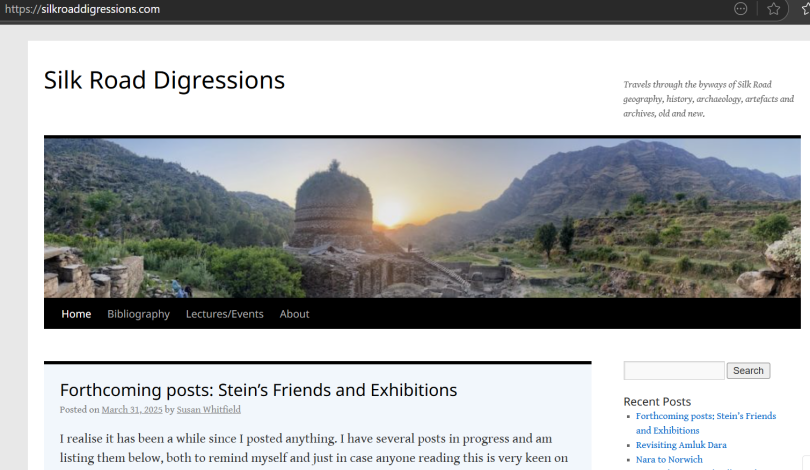
Susan Whitfield 's blog
In short, Helen said they had been very lucky to have a core group of people working internationally from the 1990s onwards for 25-30 years. These people had spent a lot of time on documentation, digitization, etc – this was important foundational work. Other, often younger, scholars, now approach the material from different perspectives. Stein was active in many countries, not just China, and Helen said it had been a pleasure to work with colleagues internationally – for example, cataloguing the Stein collections in the Library of the Hungarian Academy of Sciences, and the textiles from Dunhuang projects.
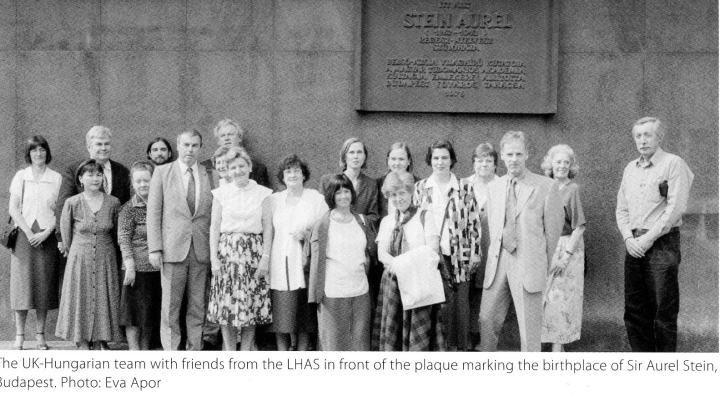
UK-Hungarian team and colleagues at Aurel Stein’s birthplace plaque, Budapest.
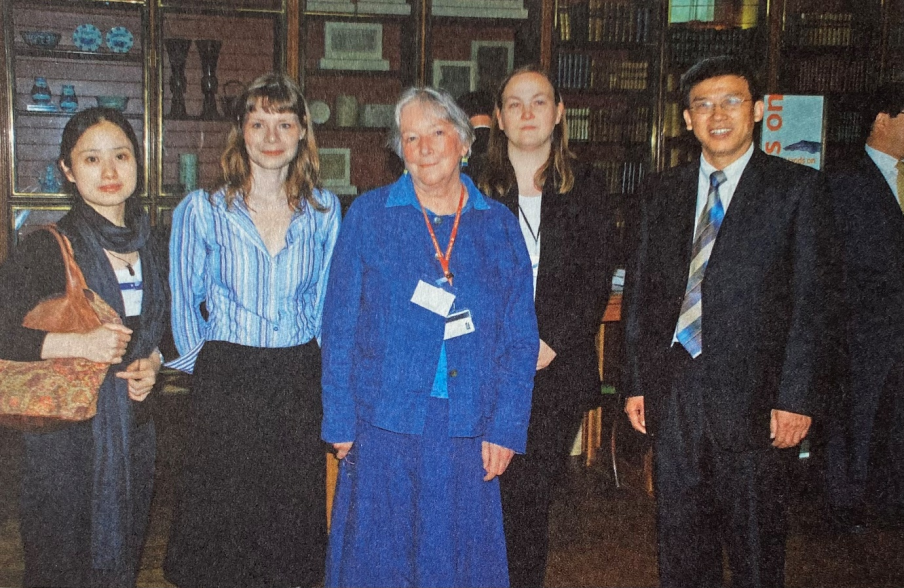
The Textiles from Dunhuang in UK Collections team: Wang Le, Helen Persson, Frances Wood, Helen Wang, Zhao Feng, 2007