

Splendid China, Setting Sail for the World: The Practice and Vision of the 'Great Series of Chinese Silk Art' Project
Silk is a treasure of Chinese civilization and a vital cultural gene of the Chinese nation. Its unique historical, artistic, scientific, and economic value makes it an essential pathway for researching, protecting, and inheriting traditional Chinese culture. The Silk Road, driven by silk exchange, opened a window for friendly interactions among nations, wrote a chapter in the progress of human history, and cultivated the Silk Road spirit centered on peace, cooperation, openness, inclusiveness, mutual learning, and mutual benefit.
The Great Series of Chinese Silk Art is another major academic project with Zhejiang's contribution, national significance, and global vision, following the Great Series of Chinese Paintings. Zhejiang University and the China National Silk Museum, in collaboration with over 80 museums, archaeological institutes, and collections worldwide, plan to comprehensively and systematically investigate and collect information on more than 20,000 pieces of traditional Chinese silk artifacts. Through analysis, research, cataloging, and publication, the project aims to produce 100 volumes of high-quality illustrated catalogs, creating the most comprehensive resource collection, cutting-edge academic research, systematic compilation, precise image presentation, and grandest publishing scale in the history of Chinese silk art.
Chinese silk artifacts, with their delicate materials and demanding preservation requirements, are scattered across institutions globally. Conducting a comprehensive identification, selection, and information collection of Chinese silk artifacts worldwide is a monumental task. At the same time, authentic, detailed, and accurate image data and other foundational materials are prerequisites for high-level silk art research. To ensure the first high-quality global presentation of Chinese silk artifacts, the project team has established standardized technical guidelines. Senior researchers from global academic institutions have been invited to select the finest Chinese silk artifacts. Through a series of foundational tasks such as dating, restoration, and high-definition digital photography, the project collaborates on multidisciplinary frontier research in archaeology, history, technology, and art. By compiling foundational data and academic achievements, the project will publish a 100-volume masterpiece for future generations.
I. Silk bearing painting edge - from “Chinese paintings through the ages” to “Chinese silk art series”.
As a major national cultural project, the National Publication Fund project and Zhejiang Province cultural research project, “Chinese paintings through the ages” is the most comprehensive collection of contemporary Chinese paintings at home and abroad, the most exquisite, the most extensive, set of connoisseurship, academia, collection of high-end art publications in one. The “Chinese Silk Art Series” is a sequel to the “Chinese Paintings of the Ages Series” in the context of the “Belt and Road” initiative of the new era.
On September 7, 2013, General Secretary Xi Jinping made an important speech at Nazarbayev University in Kazakhstan, proposing the initiative of building the “Silk Road Economic Belt”. Zhang Xi, Editor-in-Chief of the “Chinese Paintings through the Ages” and Chairman of the Development Committee of Zhejiang University, quickly noticed this national strategy and visited the China Silk Museum, where he met with then-Director Zhao Feng to discuss the idea of collecting Chinese silk artifacts from all over the world and compiling them into a complete collection. The cultural construction of the “Belt and Road”.
In September 2015, Mr. Jing Junhai, Vice Minister of Propaganda Department of the CPC Central Committee, visited Zhejiang University Press, accompanied by Mr. Ge Huijun, Minister of Propaganda Department of Zhejiang Provincial Party Committee. Zhang Xi reported on the “China Silk Archives” project, and Minister Ge Huijun said he would personally take the lead in promoting the project. After discussion, the China Silk Museum proposed a 100-volume phased publication program.
In August 2021, the China Silk Museum to the Federation of Social Sciences Circles of Zhejiang Province submitted “China Silk Art Series” (formerly known as “China Silk Archives”) project program, project leader Zhao Feng. In December of the same year, “China Silk Art Series (the first series of 20 volumes)” was selected “Zhejiang cultural research project” major projects.
In January 2022, “China Silk Art Department (first series)” project opening and signing ceremony held at the China Silk Museum, the project leader Zhao Feng and Zhejiang University Press President Chu Chaofu signed the “China Silk Art Department” publishing cooperation agreement (Figure 1).
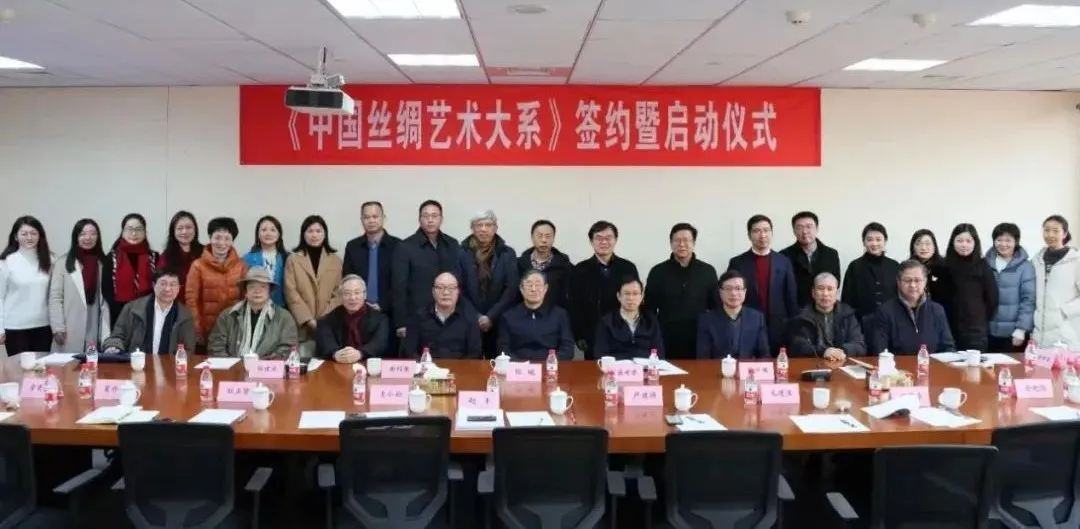
Figure 1 : “China Silk Art Department” signing ceremony and the opening of the meeting
In September 2023, the “Avenue of the line - ‘88 Strategy’ implementation of the 20th anniversary of the large-scale thematic exhibition” opened in Hangzhou, “Chinese silk The first five volumes of the “Chinese Silk Art Series” were exhibited for the first time, which was highly praised by Li Shulei, Minister of the Publicity Department of the Central Committee of the Communist Party of China.
in January 2024, Zhejiang university press and Zhejiang university school of art and archaeology co-sponsored by the “chinese silk art department” project of Beijing academic seminar held in zhejiang university research institute in Beijing.
In March 2024, the first 12 volumes of “Chinese Silk Art Series (First Series)” were funded by the National Publication Fund.
in May 2024, the appraisal meeting of “Chinese Silk Art Series” (the first batch of 5 volumes) was held in Hangzhou under the auspices of Zhejiang Federation of Social Science Circles.
in August 2024, “China Silk Art Series” Hunan Museum Volume in Shanghai Artron on the printing machine (Figure 2), “China Silk Art Series” opened the official publication process.
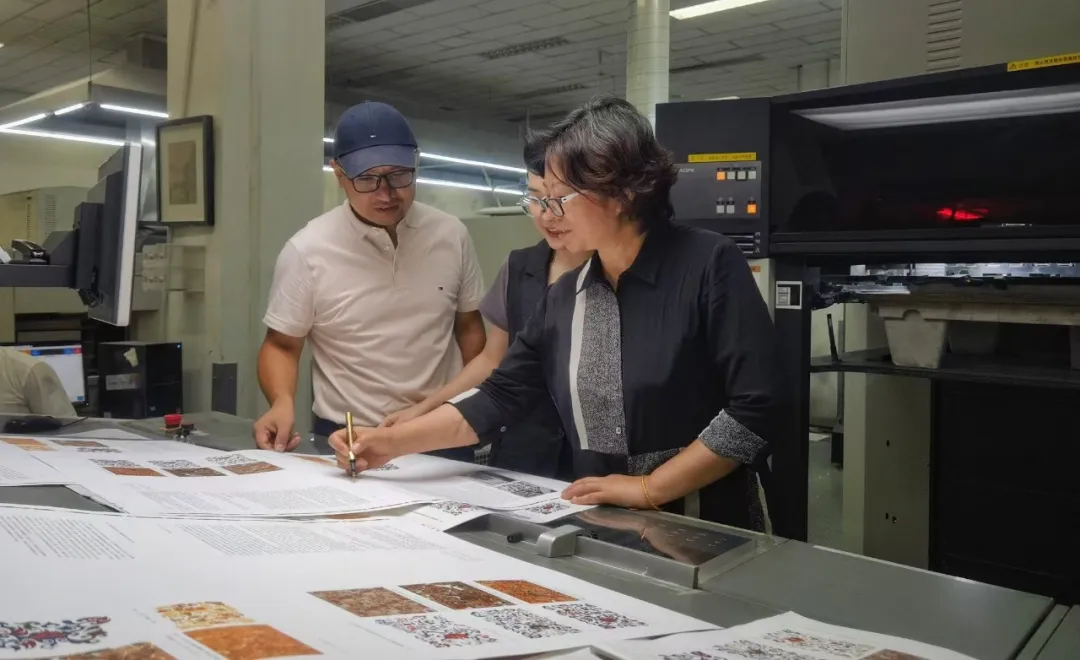
Figure 2 : “Chinese Silk Art Series” officially started printing
In September 2024, “Chinese silk art department (second series of 30 volumes)” won the “Zhejiang cultural research project” major projects.
In November 2024, the first 5 volumes of “Chinese Silk Art Series” were formally published and debuted in the second “Liangzhu Forum” as one of the eight actions of national support for high-quality construction of the “Belt and Road”. “Premiere.
On the 22nd, Zhejiang provincial party committee standing committee, propaganda minister Zhao cheng went to the “Chinese painting through the ages” collection of museum inspection “Chinese silk art department” the first batch of results of the exhibition, on the “silk department” the Work made a high evaluation, and on behalf of the zhejiang provincial party committee propaganda department of the “silk” work to express strong support.
On the 25th, Zhejiang provincial party committee secretary, governor of zhejiang provincial government Wang Hao inspection “China silk art department” the first batch of results of the exhibition, highly evaluated the “silk department” work.
27th, Zhejiang provincial people's government vice governor huwei, zhejiang university party secretary Ren shaobo in the second session of “Liangzhu forum - colorful world: art images in the civilization narrative” sub-forum opening ceremony, for the “china silk art department” the first batch of 5 volumes of release Grand unveiling.
On the 28th, by the Zhejiang Provincial Federation of Social Sciences under the auspices of the “China Silk Art Series” (the first series of the second batch of 6 volumes) appraisal and (the first series of 20 volumes) work will be held in Hangzhou, Zhejiang Province, Chairman of the Federation of Social Sciences Sheng Shihao, Chairman of the Development Committee of Zhejiang University, Zhang Xi at the meeting of the high evaluation of the project team's work.
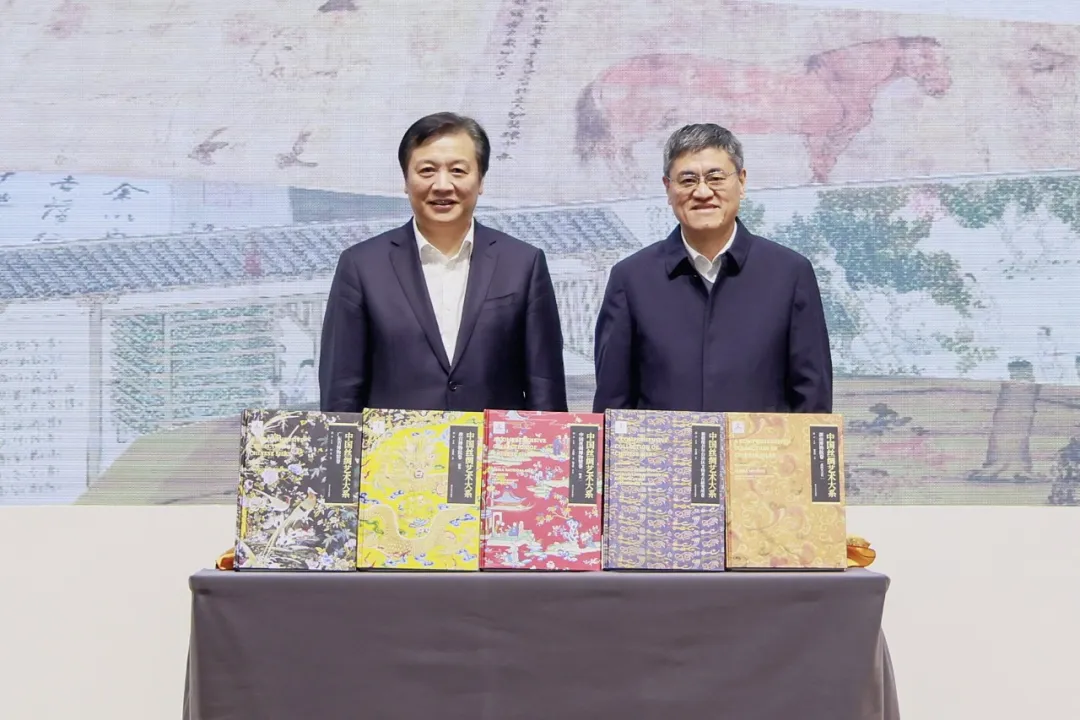
Figure 3: “China Silk Art Series” the first five volumes of the grand unveiling
II. Gathering Talents, Collaborative Efforts
The Great Series of Chinese Silk Art project is a monumental undertaking, involving processes such as artifact information collection, data entry, academic research, catalog compilation, and text review. It requires scientific organizational division and the collaboration of numerous institutions. Under the direct leadership of the Zhejiang Provincial Propaganda Department and the Zhejiang Provincial Federation of Social Sciences, the project team, composed of professional researchers from Zhejiang University, the China National Silk Museum, Zhejiang Sci-Tech University, and Donghua University, works closely with the editorial teams of individual volumes and the Zhejiang University Press team to advance the research and publication of the series. After two years of intense and orderly work, the project has officially published five volumes: Hunan Museum Volume (Warring States to Han Dynasty), Xinjiang Institute of Cultural Relics and Archaeology Volume, China National Silk Museum Volume (Ming and Qing Dynasties), Palace Museum Volume: Costumes, and Guangdong Provincial Museum Volume (Figure 4). These volumes were prominently featured at the second Liangzhu Forum. Additionally, seven other volumes—Metropolitan Museum of Art Volume, British Museum Volume, Gansu Provincial Museum Volume, Suzhou Silk Museum Volume, Dunhuang Research Institute Volume, Beijing Art Museum Volume, and Tsinghua University Art Museum Volume—are nearing completion and will be published successively by 2025.
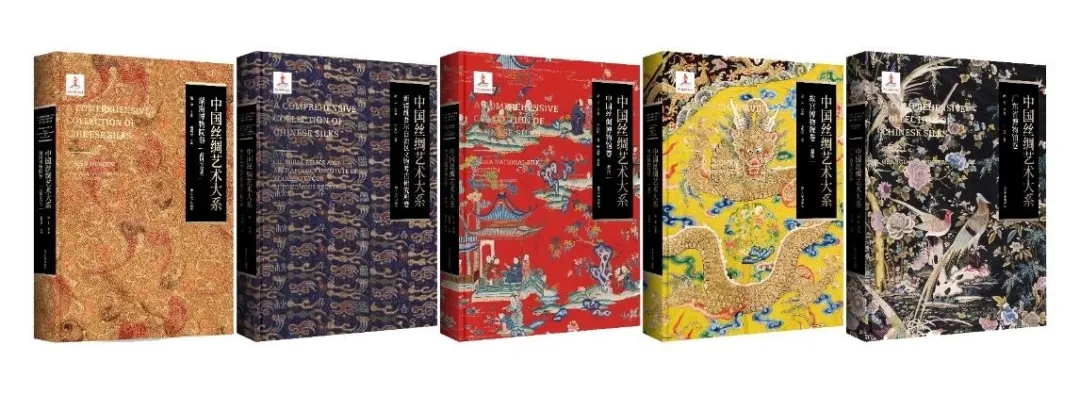
Figure 4: The first five officially published volumes of the Great Series of Chinese Silk Art.
The main institution responsible for the project is the School of Art and Archaeology at Zhejiang University, where the newly established Center for Silk Art and the Silk Road (headed by Professor Zhao Feng) in 2024 will serve as the primary base for the project's operations. Collaborative institutions include the China National Silk Museum, Zhejiang Sci-Tech University, and Donghua University. The China National Silk Museum boasts robust research capabilities in silk studies, being China's first national-level silk museum and the world's largest, integrating scientific research, technological development, and standardization in silk artifact preservation. Zhejiang Sci-Tech University has over a century of history in silk education and research, with its College of Textile Science and Engineering (International Silk College) offering four programs recognized as national first-class disciplines under the Double First-Class initiative. Donghua University ranks first in textile disciplines nationwide and is a key institution in China's Double First-Class project. The expert teams from these institutions have long been dedicated to teaching and research in textile science, archaeology, silk history, silk art, and textile design. Their expertise and experience in Chinese silk provide strong support for the data collection and academic research of the Great Series of Chinese Silk Art.
Zhejiang University Press, responsible for the project's publication, is a national first-class publishing house with comprehensive capabilities in books, journals, digital media, and audiovisual production. It has long been committed to the dissemination, inheritance, and innovation of traditional Chinese culture. The press's Great Series of Chinese Paintings project has gained significant international acclaim. The project team and the press have established a highly collaborative and efficient working model.
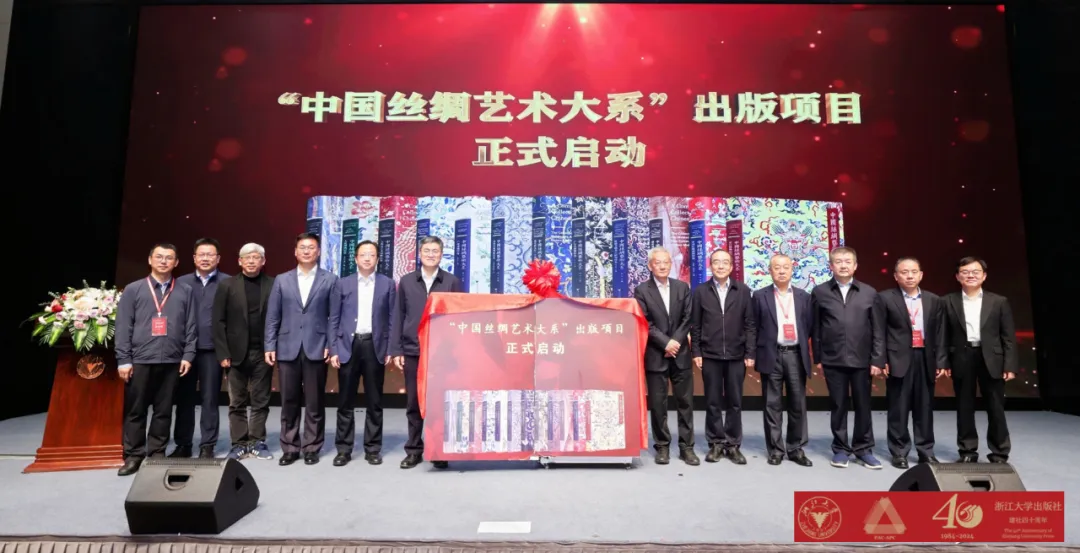
Figure 5: The official launch of the Great Series of Chinese Silk Art publication project during the 40th anniversary of Zhejiang University Press
The research and compilation of individual volumes are led by the collecting institutions, with the project team providing support. Initially, the project team surveys the Chinese silk artifacts held by these institutions, inviting their relevant leaders to serve as volume editors and gradually clarifying project leaders and reviewers. During the process, the project team invites experts and team members to visit the institutions, observe key artifacts, and provide academic guidance and discussions. After the draft is completed, the project team reviews and discusses the content, offering revision suggestions.
Currently, nearly 30 domestic collecting institutions have collaborated or expressed interest in collaborating with the Great Series of Chinese Silk Art project, including the Palace Museum (Beijing), Hunan Museum, China National Silk Museum, Guangdong Provincial Museum, Xinjiang Institute of Cultural Relics and Archaeology, Suzhou Silk Museum, Dunhuang Research Institute, Gansu Provincial Museum, Beijing Art Museum, Tsinghua University Art Museum, Sichuan University Museum, Inner Mongolia Museum, Guizhou Provincial Museum, Jingzhou Museum, Guangzhou Museum, Guangdong Folk Art Museum, Taizhou Museum, Liaoning Provincial Museum, Shandong Museum, Confucius Museum, Suzhou Museum, Shanghai Museum, Lüshun Museum, Hong Kong Palace Museum, National Museum of China, Nanjing Museum, and De'an County Museum.
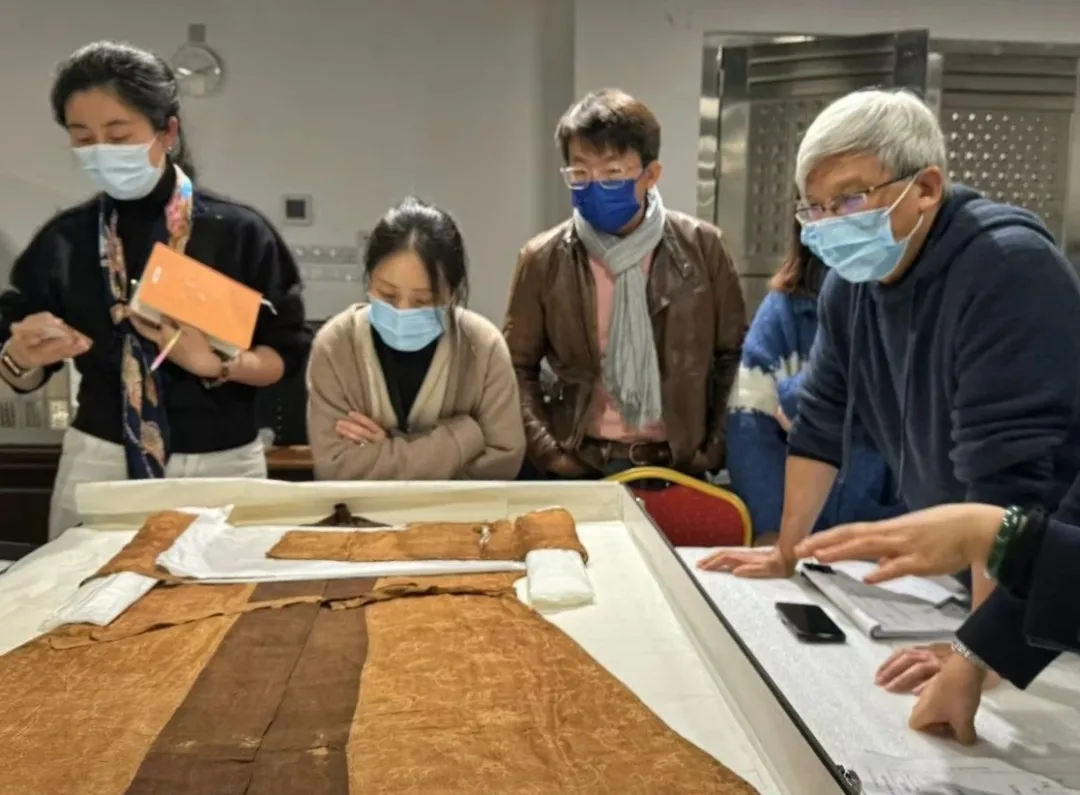
Figure 6: The project team conducting research at Hunan Museum.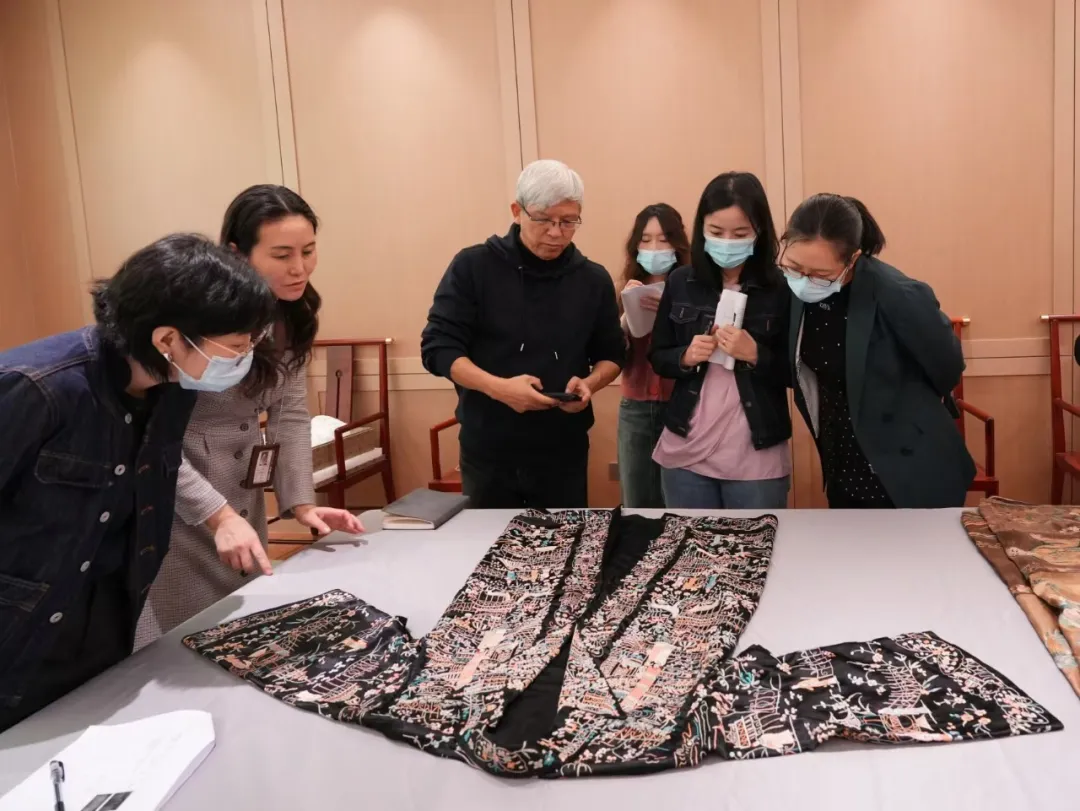
Figure 7: The project team conducting research at Guangdong Provincial Museum.
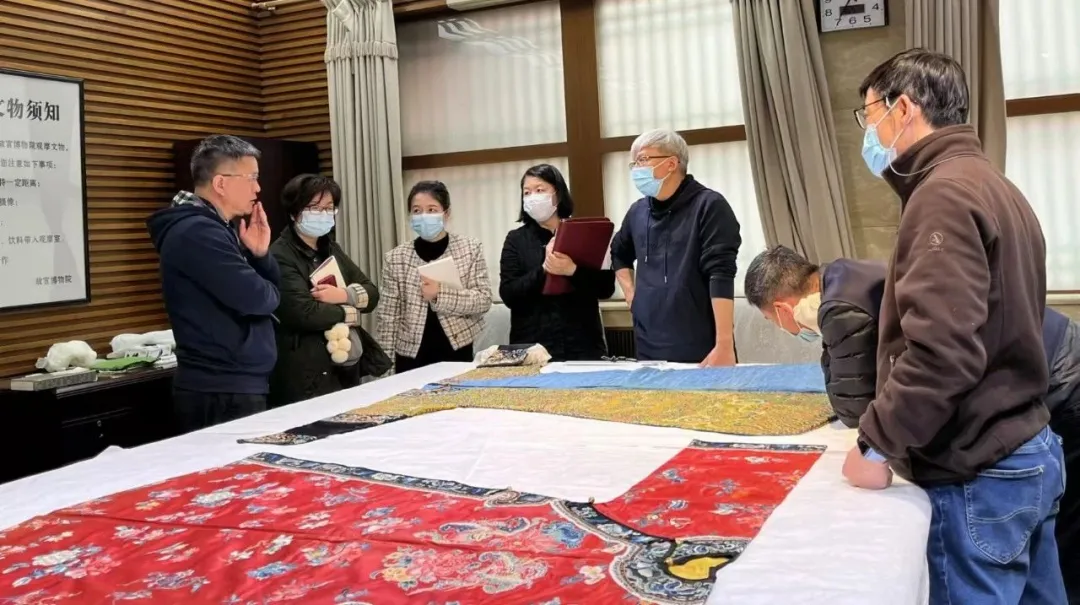
Figure 8: The project team conducting research at the Palace Museum.
III. A Global Perspective: Gathering Chinese Silk Treasures Worldwide
The Great Series of Chinese Silk Art is committed to the comprehensive collection and research of Chinese silk artifacts worldwide. Due to various historical reasons, Chinese silk artifacts are scattered across the globe in significant quantities. As a foundation for the project's smooth progress, the team has established strong collaborative relationships with international collecting institutions. For example, collaborations with the British Museum and the State Hermitage Museum in Russia have completed the Dunhuang Silk Art Project, while partnerships with institutions like the Uzbekistan Academy of Archaeology have resulted in the Study of Textiles Excavated from Munchak Tepe in Fergana, Uzbekistan. The project team has visited over 20 museums in Europe and the United States, investigating their textile collections and research profiles, and discussing research and publication collaborations. For instance, in April 2024, the team visited the Metropolitan Museum of Art (Figure 10), Cleveland Museum of Art, Museum of Fine Arts, Boston (Figure 11), Harvard University Museums (Figure 12), Art Institute of Chicago, and Asian Art Museum of San Francisco, observing Chinese silk artifacts, engaging in academic exchanges, and discussing project plans. In June 2024, the team visited European institutions such as the German Textile Museum, Museum of Asian Art in Berlin, and Guimet Museum, surveying Chinese silk artifacts and discussing publication plans. In September 2024, the team visited the British Museum to study Chinese silk artifacts from the Dunhuang Mogao Caves (Figure 13).
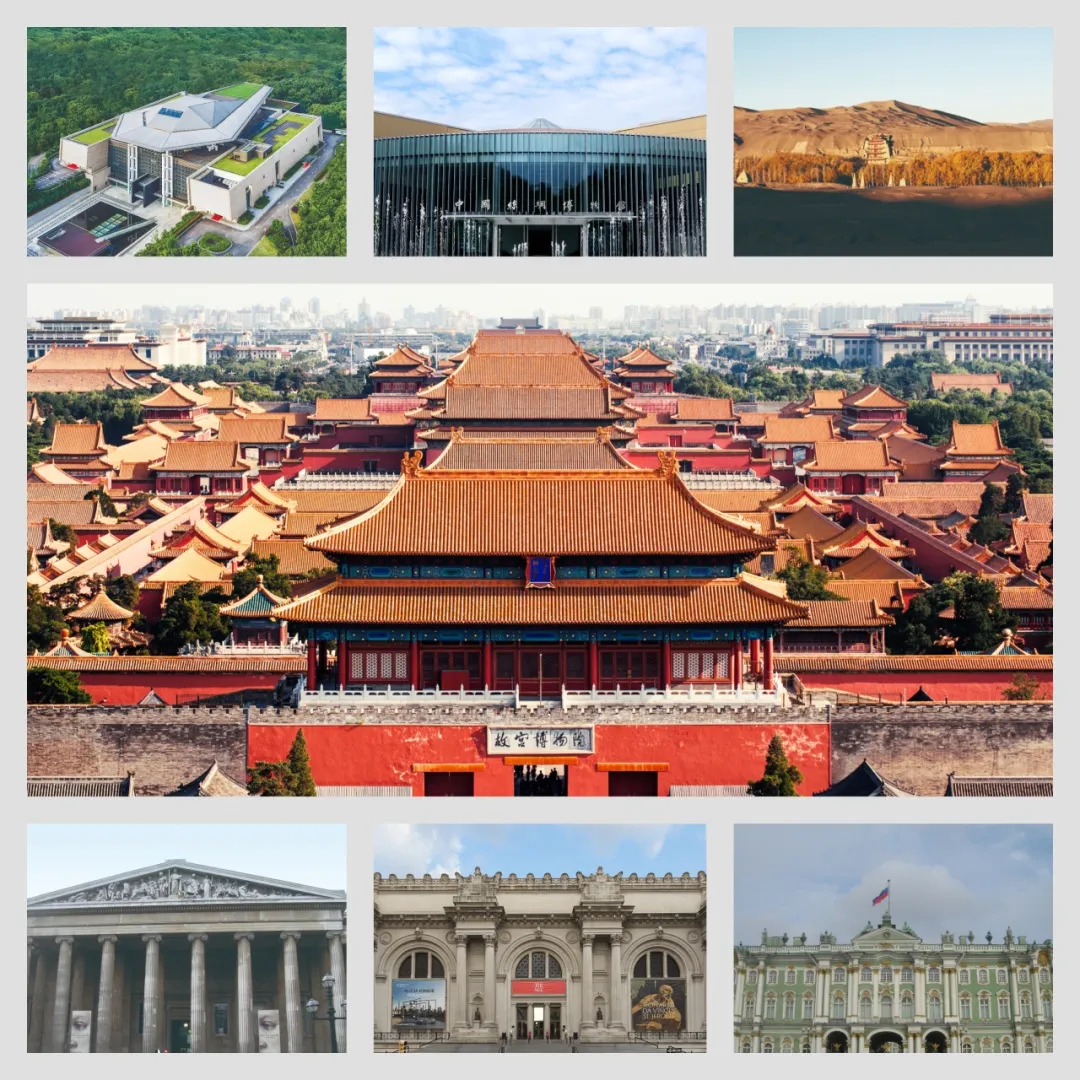
Figure 9: Some domestic and international collaborating institutions of the Great Series of Chinese Silk Art.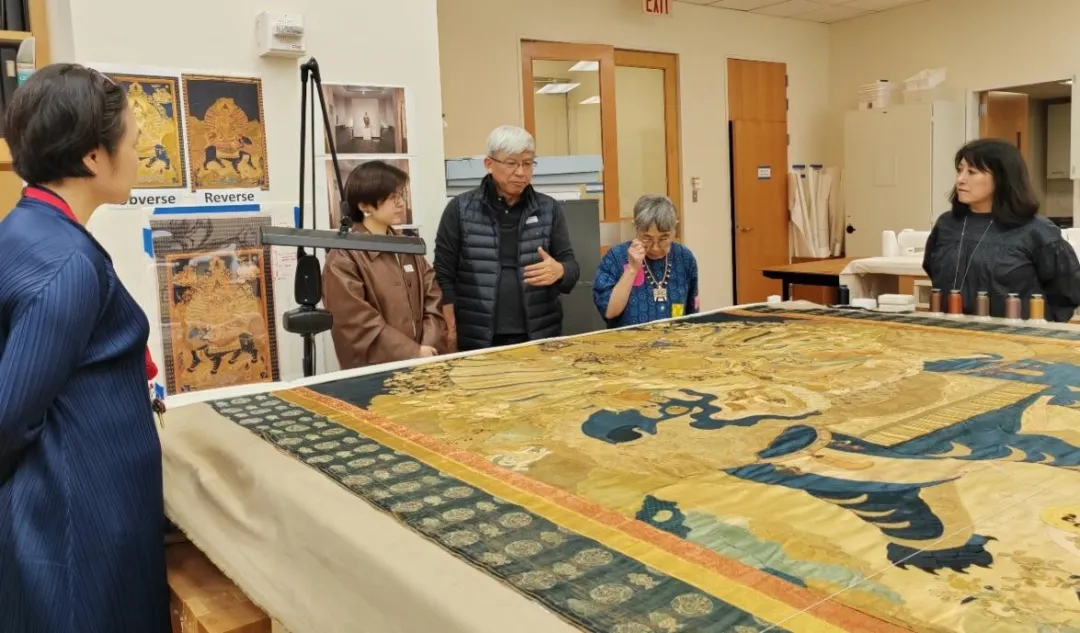
Figure 10: The project team visiting the Textile Conservation Center at the Metropolitan Museum of Art.
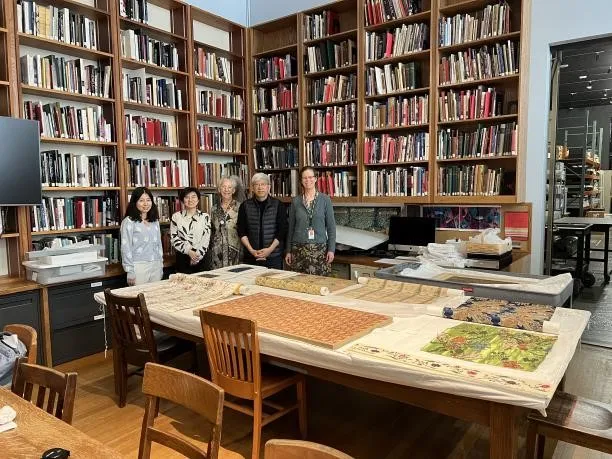
Figure 11: The project team visiting the Museum of Fine Arts, Boston.
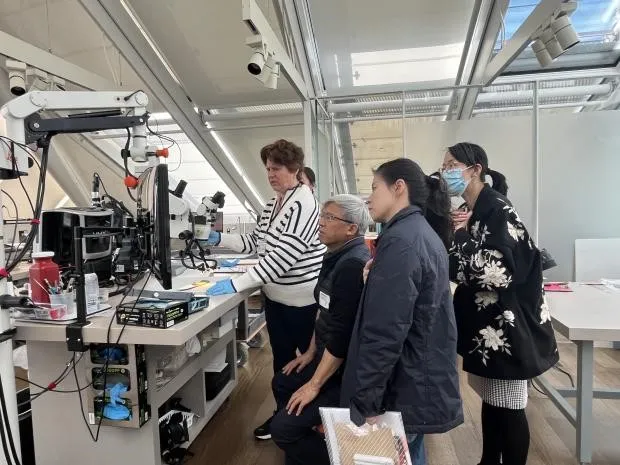
Figure 12: The project team visiting the Harvard University Museum Laboratory.

Figure 13: The project team observing Dunhuang silk artifacts at the British Museum.
To date, the project team has established collaboration agreements with over 20 renowned museums worldwide that house Chinese silk artifacts, including the Metropolitan Museum of Art, British Museum, State Hermitage Museum, National Museum of Asian Art, Guimet Museum, Victoria and Albert Museum, Art Institute of Chicago, Museum of Fine Arts, Boston, Asian Art Museum of San Francisco, Cleveland Museum of Art, Peabody Essex Museum, Swedish Army Museum, Tokyo National Museum, and Hirayama Ikuo Silk Road Museum.
IV. Academic Foundations: Advancing Silk and Silk Road Research
The Great Series of Chinese Silk Art project is built on extensive preliminary research, emphasizing the artistic, scientific, and historical value of silk artifacts. It aims to fully explore the technical, craft, economic, social, and cultural dimensions of silk, conducting multidisciplinary research in textile science, history, art, archaeology, and museology. This expands the scope of textile research with new materials and perspectives, attracting global scholars to study ancient Chinese silk.
The project team has solid research capabilities and publishing experience, having previously compiled works such as the Ancient Chinese Silk Design Material Collection (10 volumes, 2016) (Figure 14), Complete Collection of Dunhuang Silk Art (10 volumes, 2021) (Figure 15), and Series on Chinese Silk Art Through the Ages (10 volumes, 2021). These works provide a comprehensive cross-era and cross-regional study of Chinese silk, laying a strong academic foundation for the current project. In addition to compiling volumes by collecting institutions, the project includes two sub-projects: Research on Ancient Chinese Weaving and Embroidery Techniques and Chinese Silk Terminology Handbook: Chinese-English Edition. The former conducts comprehensive historical and technical research on ancient Chinese silk techniques, while the latter systematically defines and provides Chinese-English translations of silk-related terms across categories such as weaving, dyeing, embroidery, and patterns. This ensures the consistency, academic rigor, and standardization of the series, providing a scholarly reference for global academia.
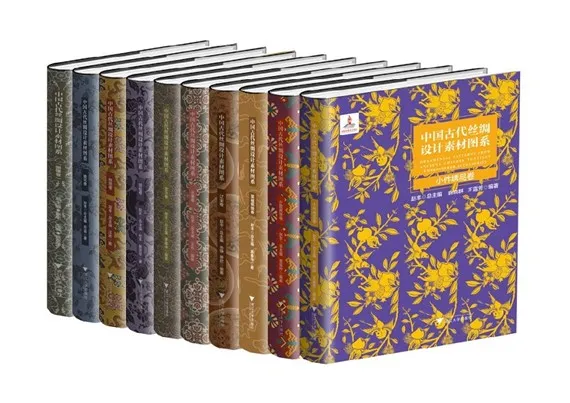
Figure 14: Cover of the Ancient Chinese Silk Design Material Collection series.
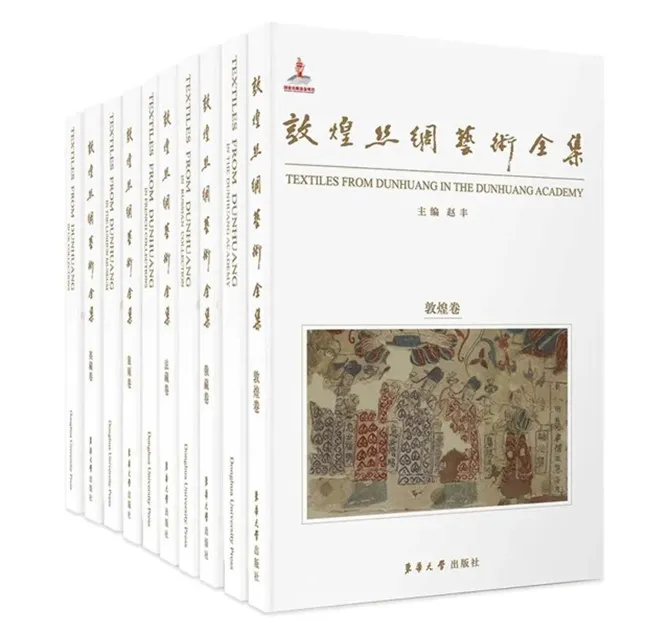
Figure 15: Cover of the Complete Collection of Dunhuang Silk Art series.
The project team and volume editors emphasize the unique characteristics of each institution's silk collections, avoiding redundancy across volumes. For example, the Metropolitan Museum of Art, China National Silk Museum, and Suzhou Silk Museum have comprehensive silk collections; the Palace Museum houses a vast collection of Qing Dynasty court costumes; Hunan Museum is renowned for its Han Dynasty textiles from the Mawangdui tombs; Guangdong Provincial Museumfeatures late Qing Dynasty export silks; Tsinghua University Art Museum focuses on folk textiles; and the Xinjiang Institute of Cultural Relics and Archaeology holds silk artifacts from Central China, Xinjiang, and Central and West Asia, reflecting cultural and technological exchanges.
Each volume is structured into four parts: essays, masterpieces, plates, and plate descriptions. The essays provide an overview of the institution's silk collection, the history and research status of its textiles, and the historical value of key artifacts. The masterpieces section selects 10-15 artifacts for detailed academic analysis, accompanied by 1,000-2,000-word descriptions of their craftsmanship and artistic features, contextualized through historical research and comparisons (Figure 16). The platessection highlights the artistic and technical characteristics of the artifacts, featuring high-resolution images of full views, microscopic analyses, close-ups, and multi-angle shots. The plate descriptions offer concise yet accurate information on each artifact, including descriptions, technical analyses, artistic styles, and historical research, supplemented with full images, garment structure diagrams, and pattern details for researchers and enthusiasts.
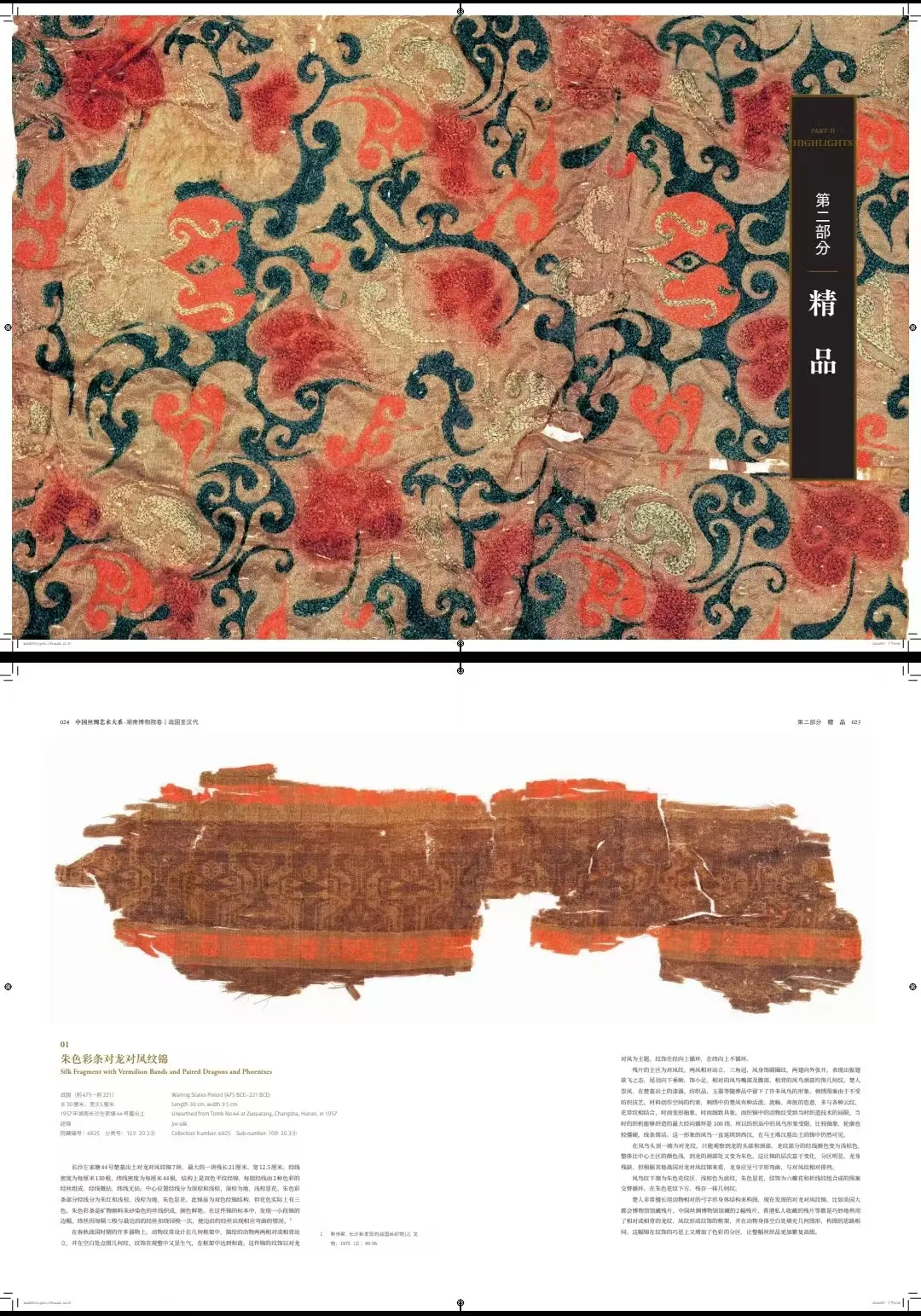
Figure 16: Sample pages from the Hunan Museum Volume of the Great Series of Chinese Silk Art.
V. Revitalizing the Past: Promoting Silk's Contemporary Use
Beyond data collection and academic research, the project team is committed to the preservation and revitalization of ancient silk art, collaborating with contemporary silk design brands that innovate traditional aesthetics. The Great Series of Chinese Silk Art has received support from Zhejiang Cathaya International Co., Ltd. and Guangzhou Exception Apparel Co., Ltd., conducting joint research on ancient Chinese silk weaving, dyeing, and decorative techniques. Based on these findings, the team has replicated ancient silk artifacts, extracted traditional aesthetic elements, and designed silk-inspired cultural products. Currently, the team is collaborating on the International Silk Colorsproject, studying dye materials, techniques, and color origins worldwide through literature review, scientific testing, and experimental archaeology, aiming to establish a standardized silk color system and apply traditional techniques and aesthetics to modern silk production. Cathaya has designed a vibrant silk collection inspired by 21 patterns from the first five volumes, incorporating motifs of grapes, pomegranates, datura, and narcissus introduced via the Silk Road (Figure 17). Exception has drawn inspiration from Han Dynasty cloud and brocade patterns, translating the mystical aesthetics of Han art into scarf designs (Figure 18).
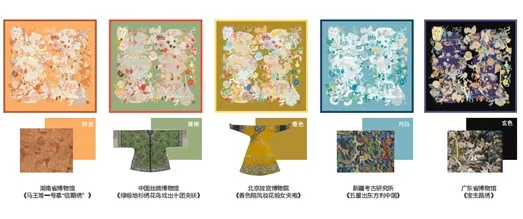
Figure 17: Cathaya's Silk Road Light silk scarf design.
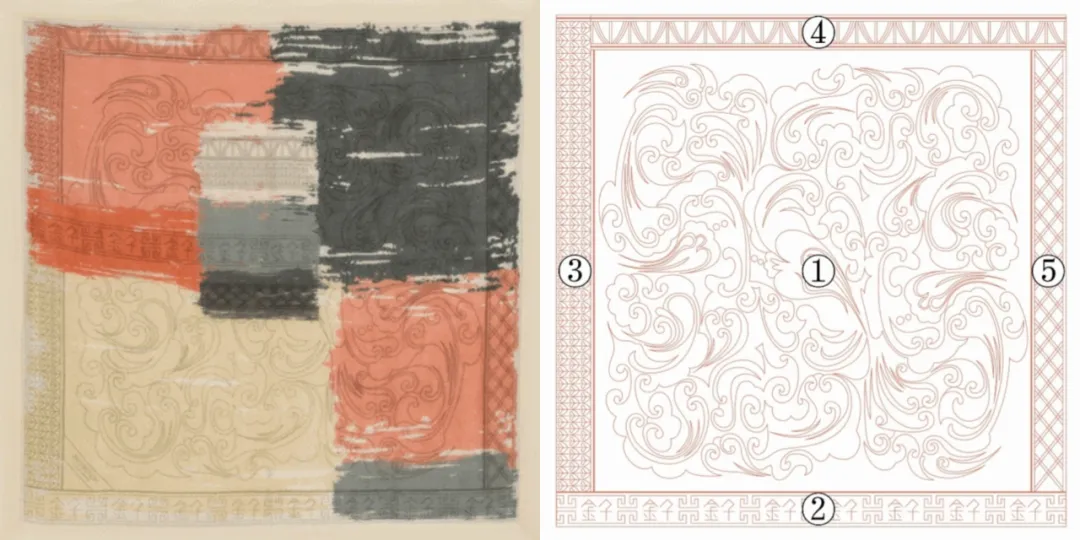
Figure 18: Exception's commemorative scarf design.
VI. Digital Legacy: Sharing the Beauty of Chinese Silk
The project team is actively developing the Chinese Silk Resource Database, obtaining authorization from collecting institutions to upload artifact information, facilitating the digital return of overseas silk artifacts, and promoting global digital sharing of Chinese silk art. Users can search the database for information on Chinese silk artifacts, including names, production dates, origins, dimensions, materials, collecting institutions, and accession numbers. The database will integrate with the Silk Road Interactive Map Platform, which features over 12,000 artifacts with images, historical records, techniques, sites, dyes, and fibers in six languages, showcasing global silk cultural heritage. As the Great Series of Chinese Silk Art progresses, its data will be uploaded to the platform, allowing users to explore and study global textile resources through map navigation, intelligent search, and knowledge graphs.
Through both print and digital platforms, the Great Series of Chinese Silk Art opens its doors to global researchers and enthusiasts, inviting them to immerse themselves in the splendid world of ancient Chinese silk art, ensuring the sustainable research, development, and inheritance of Chinese textile heritage.
We aspire to make the Great Series of Chinese Silk Art a timeless masterpiece, providing invaluable primary resources for global research on the Silk Road and silk art in archaeology, history, art, and textile technology. It will also support the innovative design and revitalization of traditional Chinese art and fashion, sharing the beauty of Chinese silk with the world.