

The Appraisal Meeting and Work Summary Conference for the First Series of the A comprehensive Collection of Chinese Silks Project Successfully Held
A comprehensive Collection of Chinese Silks (hereinafter referred to as the Silk Series) is a major cultural research project in Zhejiang Province, guided by the Zhejiang Provincial Committee of the Communist Party of China (CPC) Propaganda Department and the Zhejiang Provincial Federation of Social Sciences (hereinafter referred to as the Provincial Federation of Social Sciences). Funded by the National Publication Foundation, it is another monumental academic publishing initiative following the Complete Collection of Chinese Paintings Through the Ages, embodying Zhejiang’s cultural identity, national significance, and global vision.
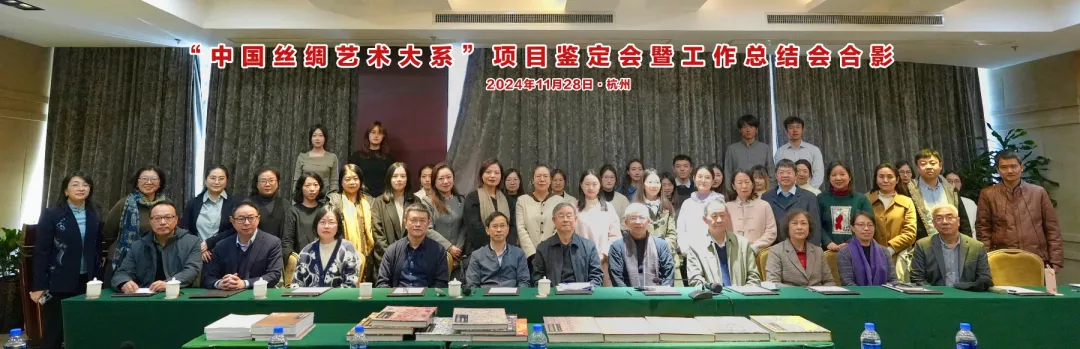
Launched in January 2022, the first series of the Silk Series (20 volumes) has largely completed artifact collection, research, and compilation with the support of relevant authorities, collaborative institutions, and the project team. The first batch of five volumes was officially published and unveiled at the second Liangzhu Forum from November 25–27, 2024. On this occasion, the project team convened an appraisal meeting for the second batch of six volumes and a work summary conference for the first series on November 28 at the Yuanzheng Qizhen Hotel Conference Hall in Hangzhou (Figure 1).
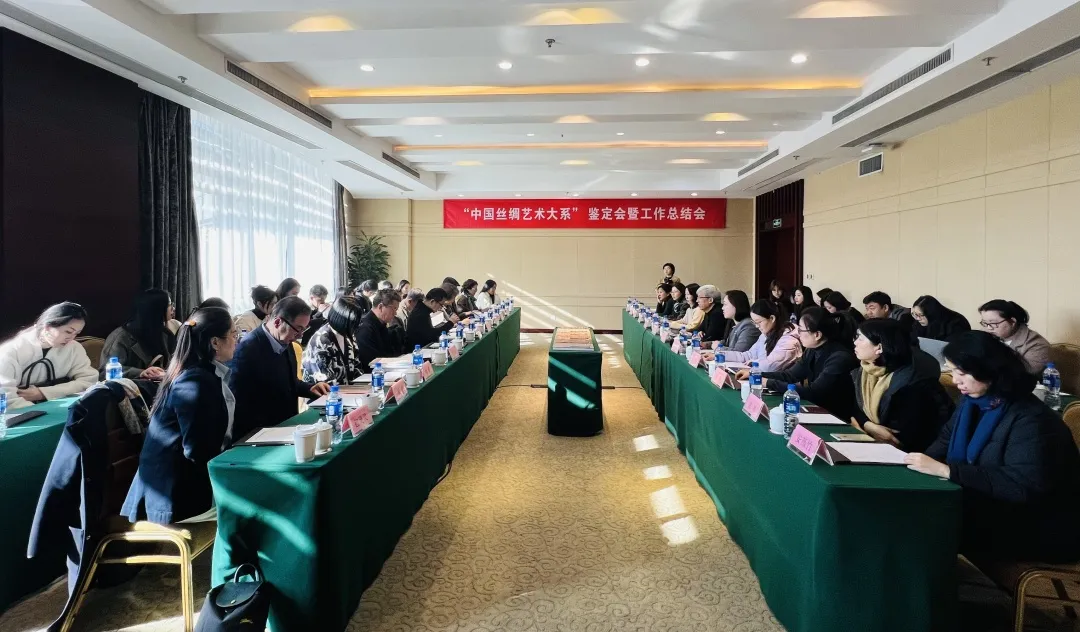
Figure 1: On-site View of the Appraisal Meeting and Work Summary Conference
Appraisal Meeting
In accordance with the Management Regulations for Zhejiang Cultural Research Projects issued by the Zhejiang Cultural Research Steering Committee, project outcomes must undergo expert appraisal before final acceptance, completion, and publication. To ensure orderly implementation and quality assurance, the project team organized the appraisal meeting for the second batch of six volumes.
The meeting was hosted by the Provincial Federation of Social Sciences, with Yang Jinzhu, Deputy Director of its Planning Division, presiding. Appraisal experts included:
•Professor Shang Gang (Tsinghua University Academy of Arts & Design),
•Yan Yong (Director of the Palace Museum’s Court History Department and senior researcher),
•Professor Zheng Juxin (China Academy of Art’s School of Handicraft Arts),
•Professor Chen Ye (former Vice President of Zhejiang Academy of Social Sciences and current professor at Zhejiang University’s School of Art and Archaeology),
•Wang Dan (former Director of Beijing Art Museum and distinguished researcher at Zhejiang University’s School of Art and Archaeology),
•Professor Li Meng (Donghua University’s School of Fashion and Art Design).
The manuscripts under appraisal included six volumes: Beijing Art Museum Volume, Suzhou Silk Museum Volume, Tsinghua University Art Museum Volume, Dunhuang Academy Volume, Swedish Army Museum Volume, and British Museum Volume (Figure 2). Representatives from editorial teams, project members from Zhejiang University, China National Silk Museum, Zhejiang Sci-Tech University, and Donghua University, as well as Wu Chen (Party Secretary and Chairman of Zhejiang University Press), attended the meeting.
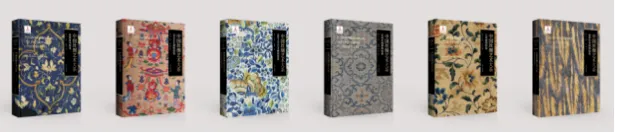
Figure 2: Manuscripts of the Second Batch (6 Volumes) Under Appraisal
Deputy Director Yang Jinzhu emphasized that experts must uphold principles of fairness and professionalism to provide objective feedback and revision suggestions (Figure 3).
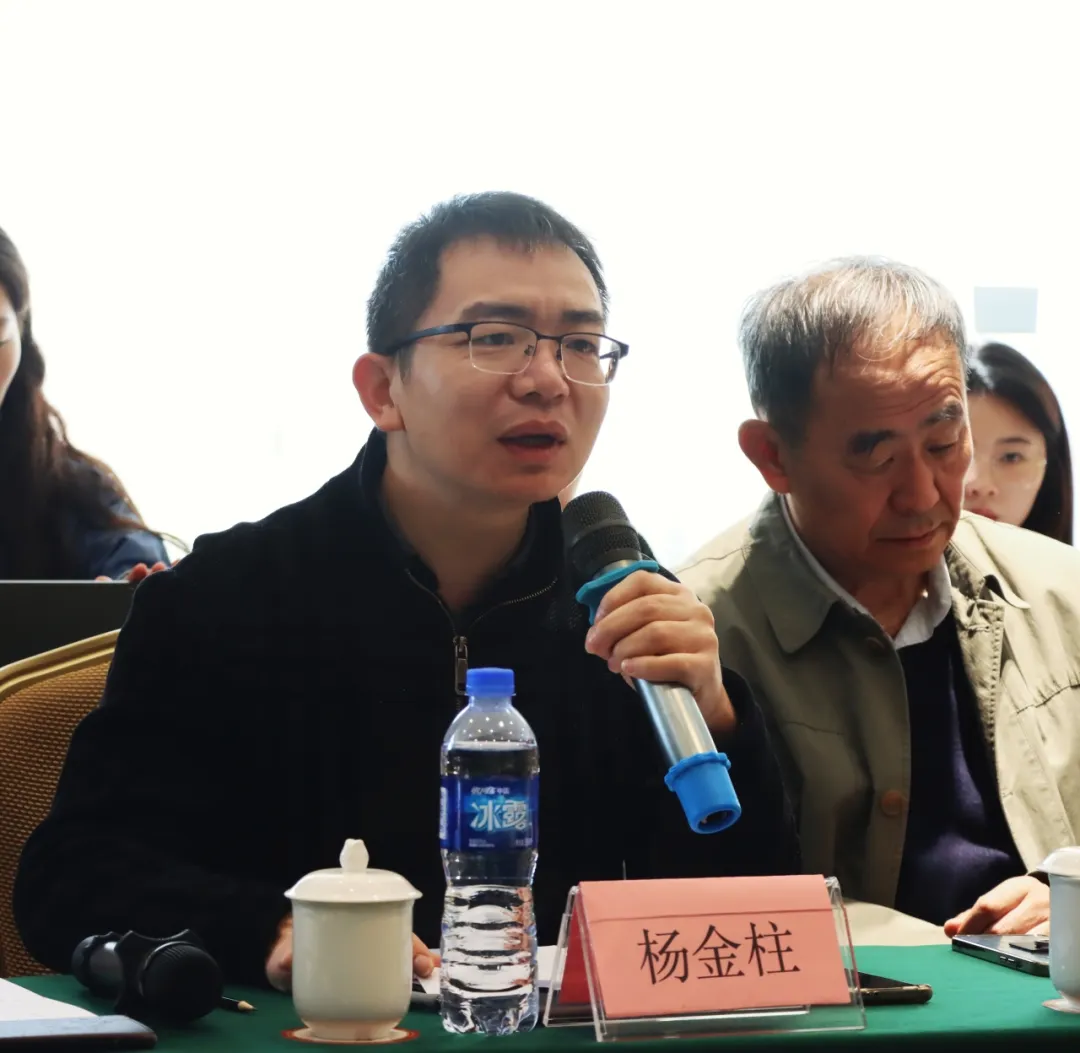
Figure 3: Deputy Director Yang Jinzhu Addressing the Meeting
Zhao Feng, the project’s chief director and Dean of Zhejiang University’s School of Art and Archaeology, welcomed attendees and reported on the project’s progress. He highlighted the six manuscripts under review and pledged to refine content based on expert feedback (Figure 4).
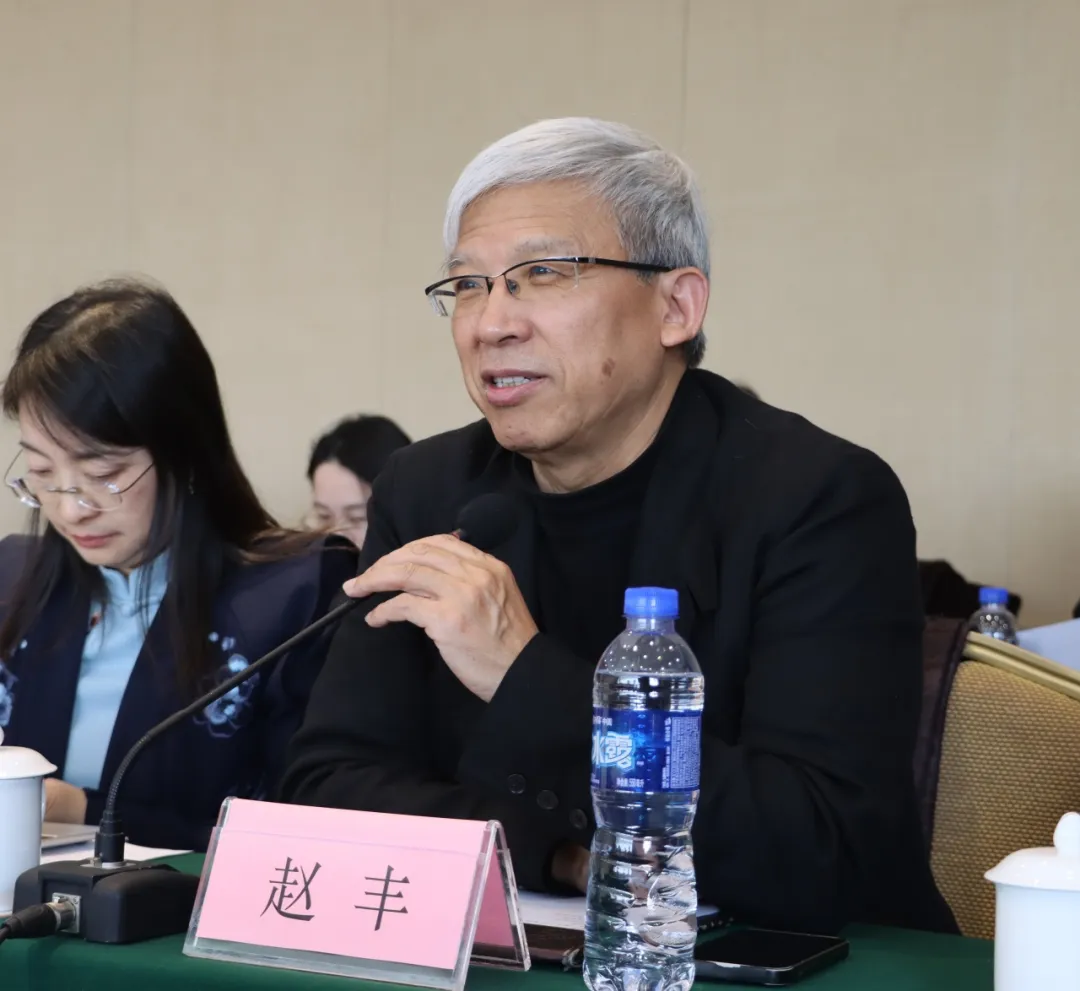
Figure 4: Zhao Feng Reporting on Project Progress
The experts, having pre-reviewed the manuscripts, raised critical suggestions:
Professor Shang Gang advised improving illustration quality, pattern reproduction, and literature selection while balancing artistic and academic standards (Figure 5).
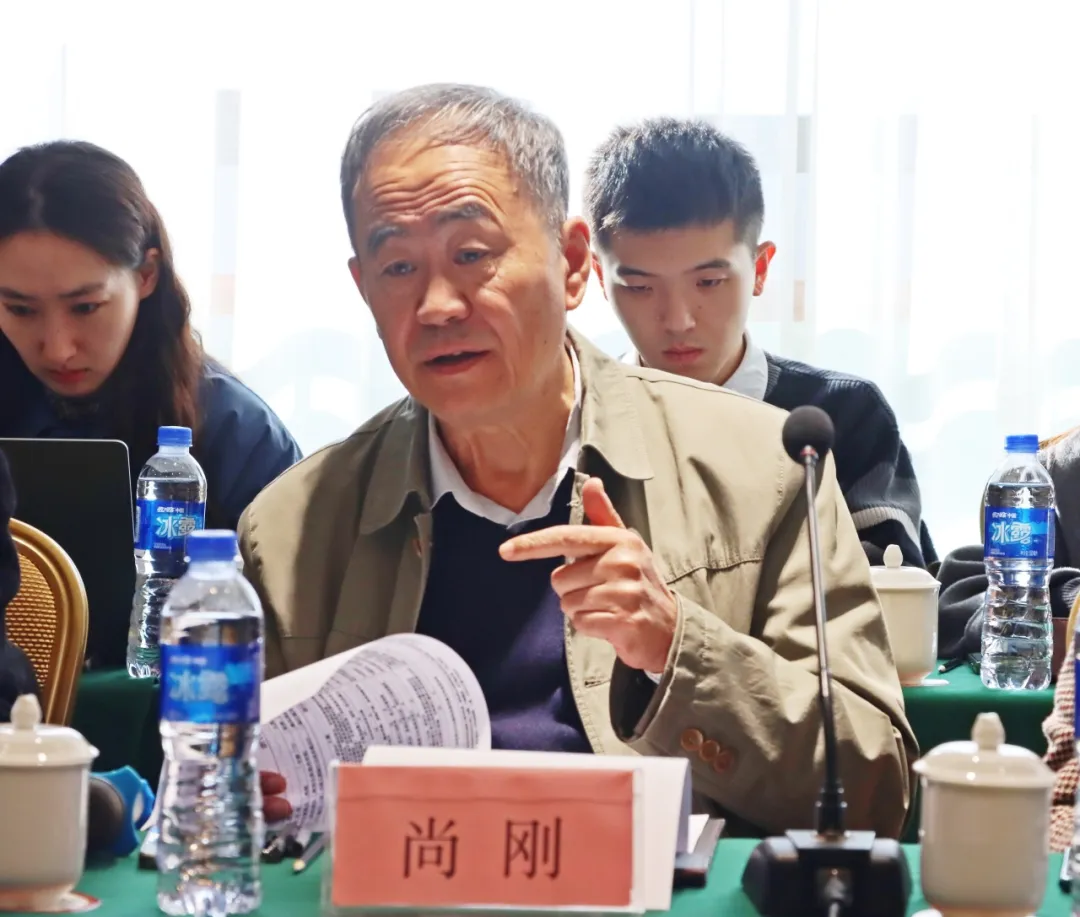
Figure 5: Speech by Shang Gang, Professor at Tsinghua University Academy of Arts & Design
Professor Chen Ye emphasized standardizing terminology and editorial guidelines (Figure 6).
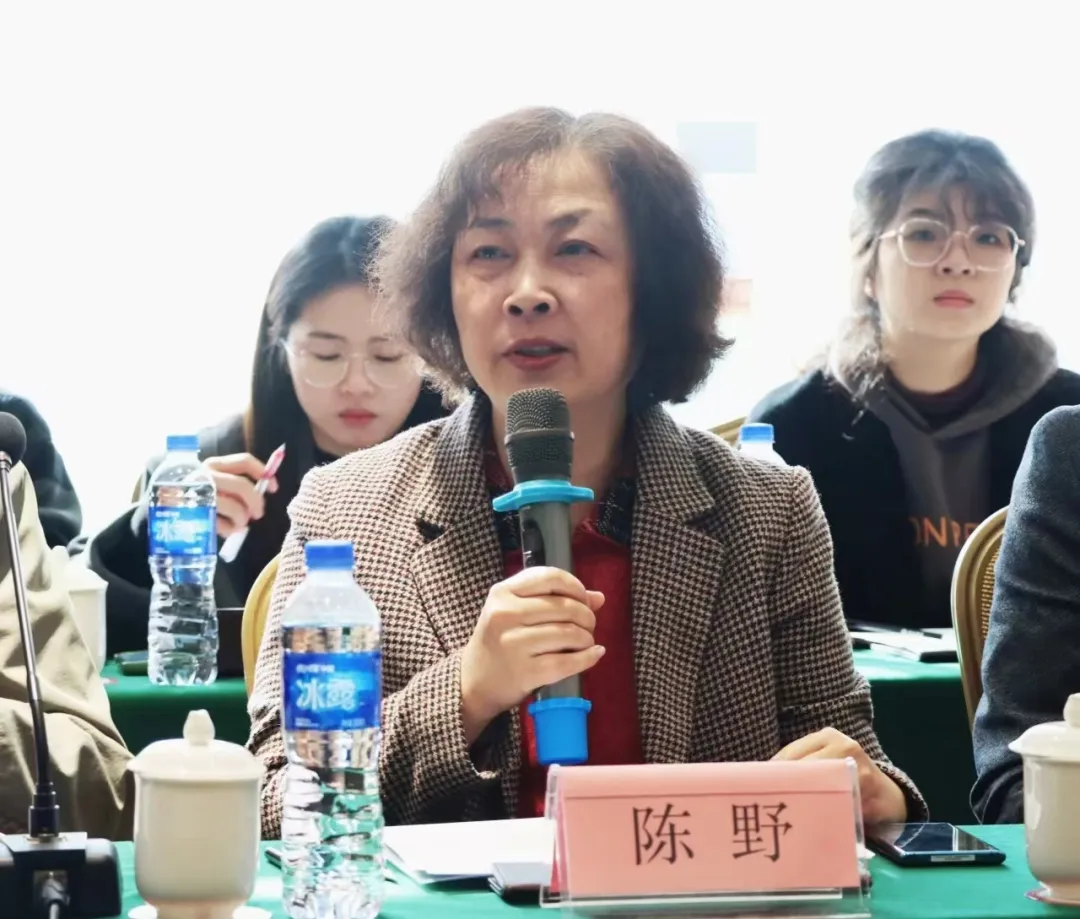
Figure 6: Speech by Chen Ye, Former Vice President of Zhejiang Academy of Social Sciences and Professor at Zhejiang University’s School of Art and Archaeology
Yan Yong stressed precision in silk classification and textual conciseness (Figure 7).
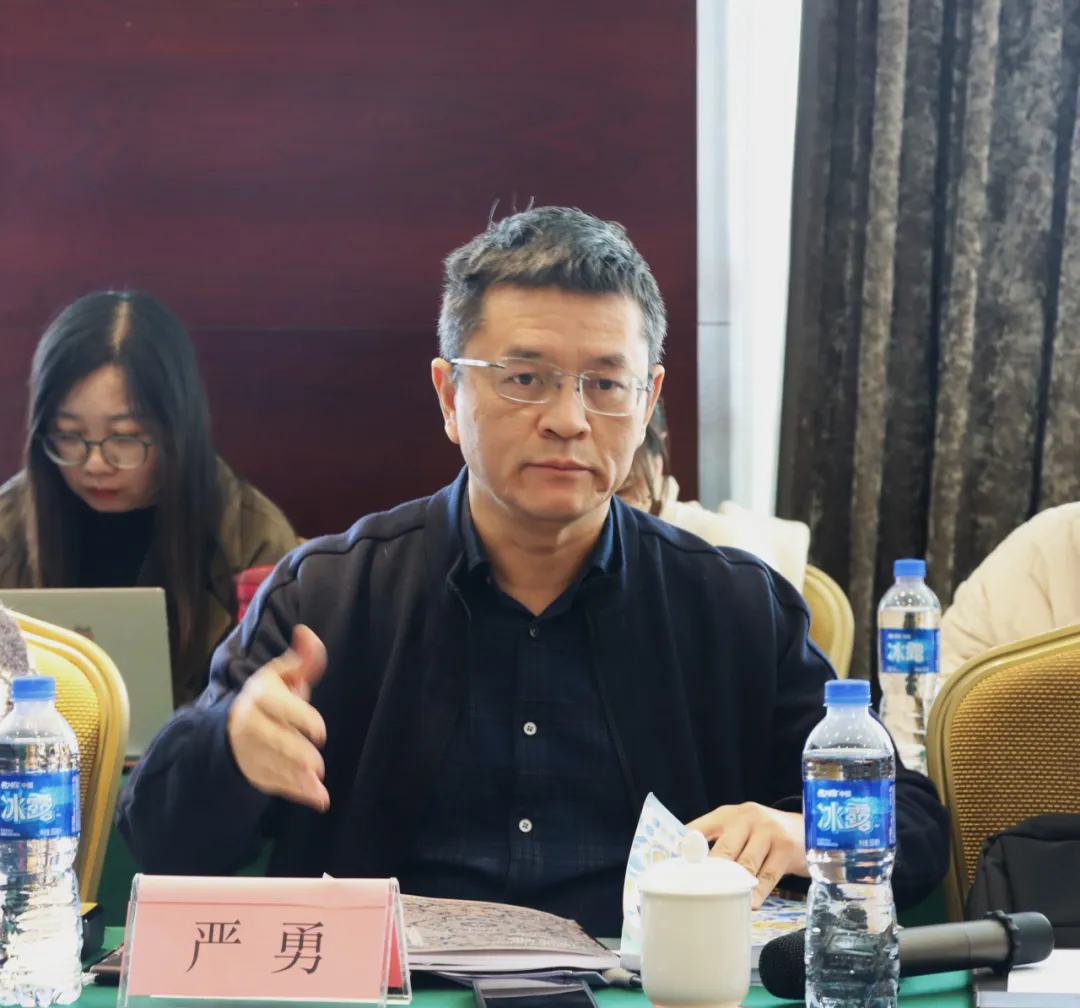
Figure 7: Speech by Yan Yong, Director of the Palace Museum’s Court History Department and Research Curator
Professor Zheng Juxin recommended clarifying essay structures and adding detailed diagrams (Figure 8).
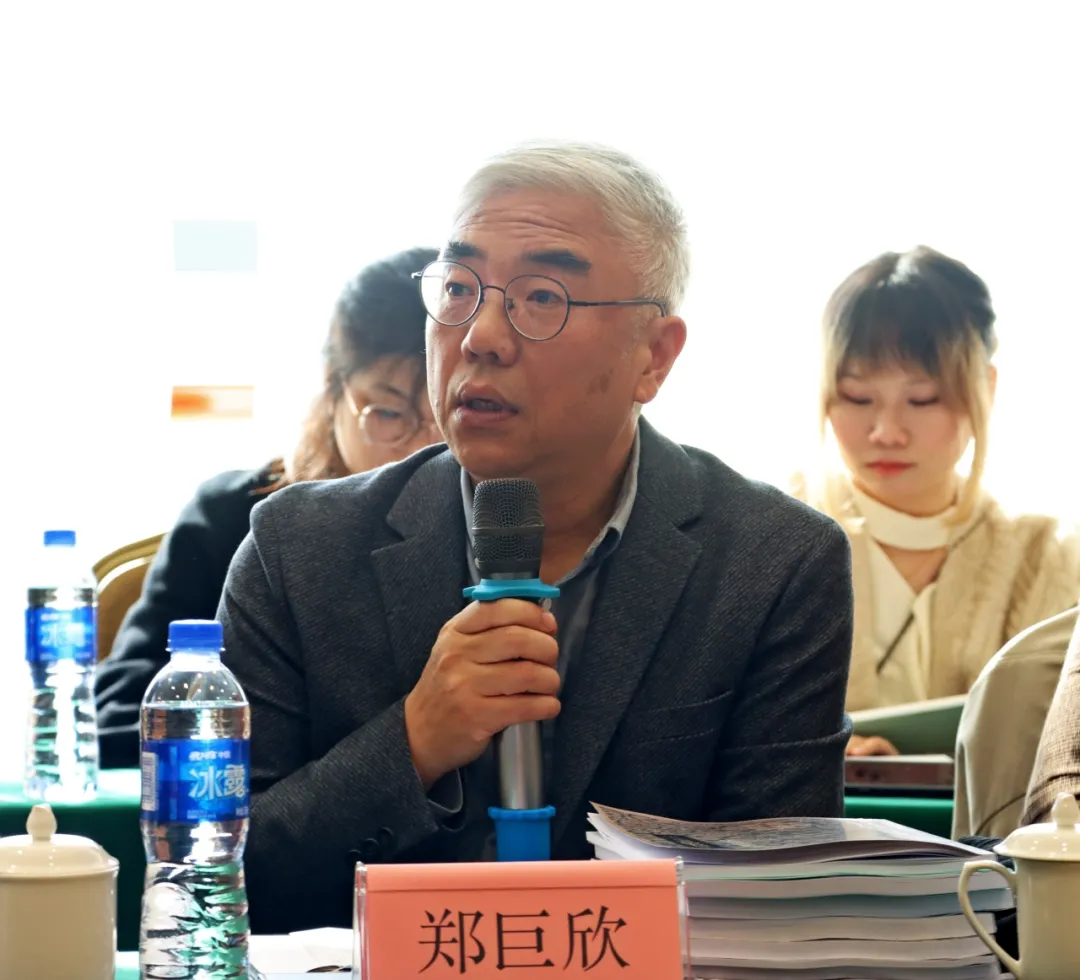
Figure 8: Speech by Zheng Juxin, Professor at China Academy of Art’s School of Handicraft Arts
Wang Dan urged unified terminology and flexible layout designs (Figure 9).
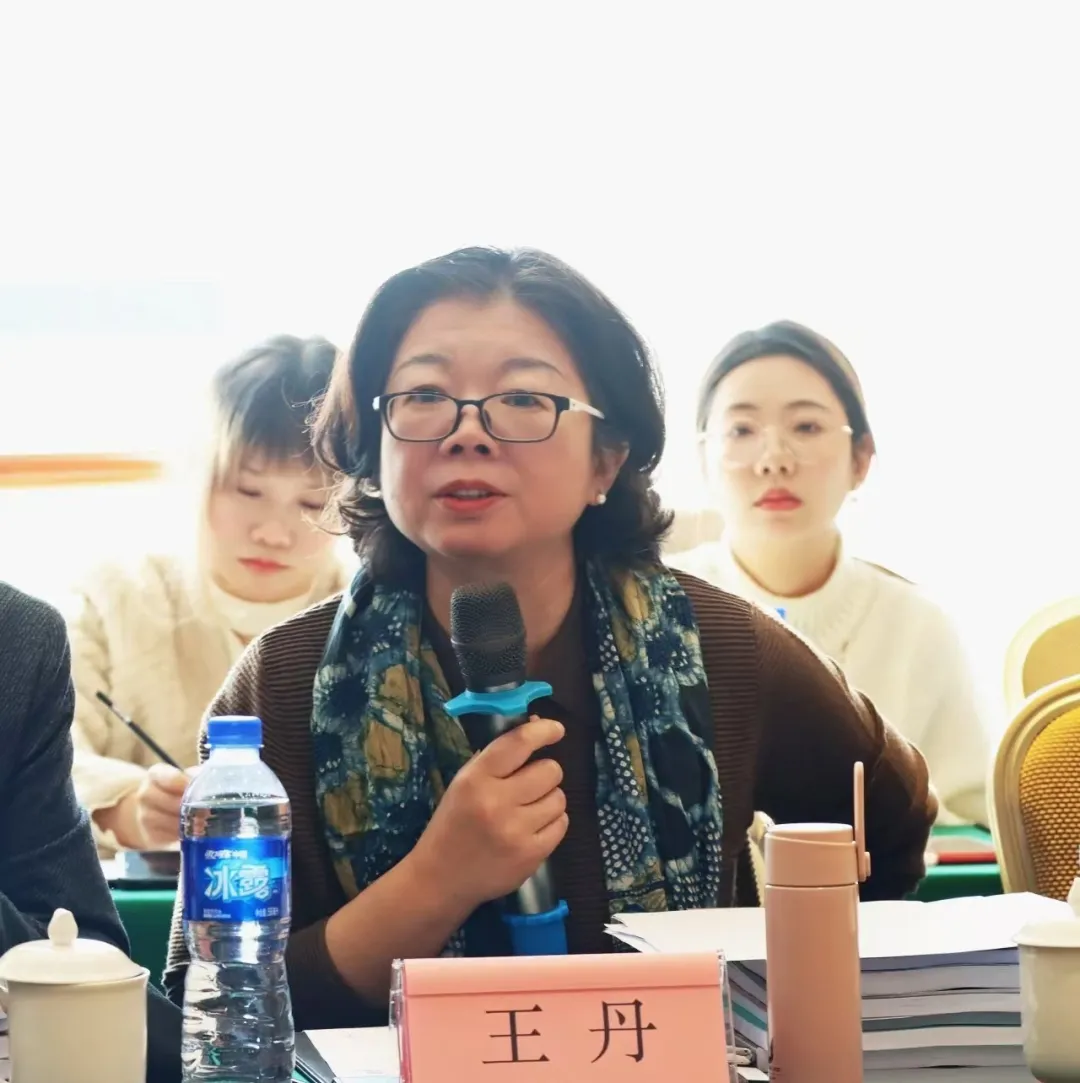
Figure 9: Speech by Wang Dan, Former Director of Beijing Art Museum and Special Researcher at Zhejiang University’s School of Art and Archaeology
Design Professor Li Meng proposed including garment schematics alongside descriptions (Figure 10).
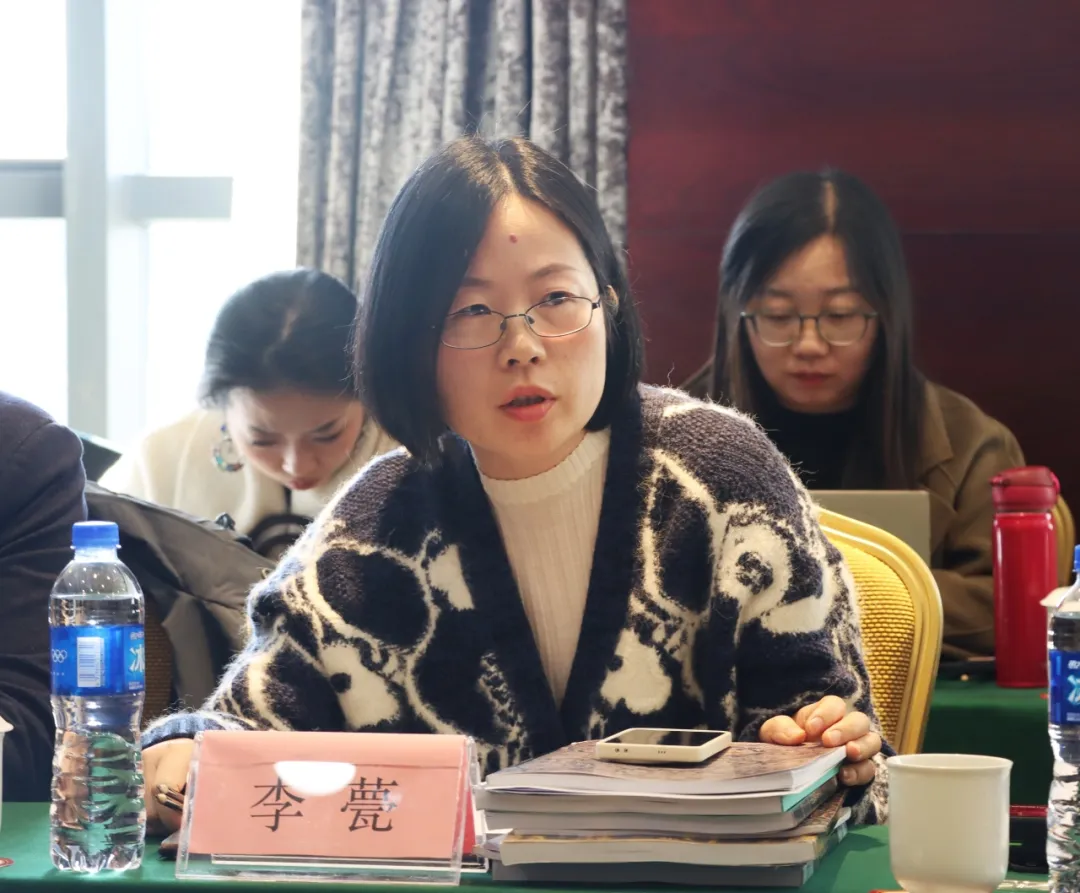
Figure 10: Speech by Li Meng, Professor at Donghua University’s School of Fashion and Art
Ultimately, the six volumes passed appraisal and will proceed to publication after revisions. Dean Zhao Feng pledged to finalize edits by late January, ensuring unified standards and enhanced terminology (Figure 11).
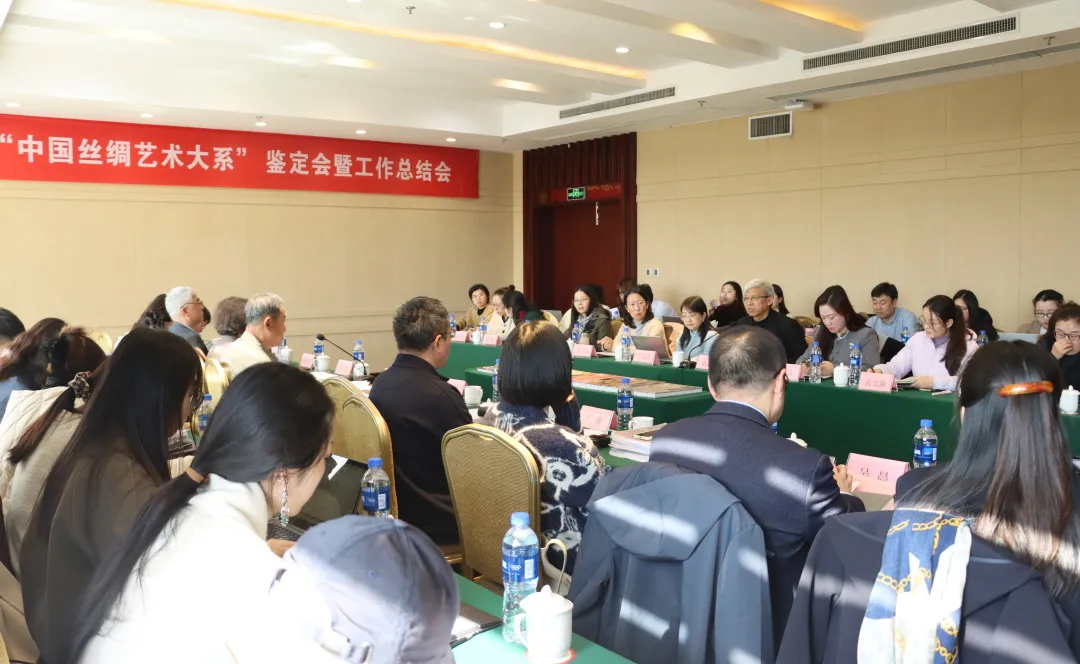
Figure 11: Expert Announcement of Appraisal Results
Work Summary Conference
Following the appraisal, the project team held a work summary meeting attended by experts, editorial representatives, and leaders including Zhang Xi (Chairman of Zhejiang University’s Development Committee and Chief Advisor of the Silk Series), Sheng Shihao (Chairman of the Provincial Federation of Social Sciences), Fang Zhiwei (former Party Secretary of Zhejiang University’s School of Art and Archaeology), and Cheng Li (Deputy Director of Zhejiang University’s Social Sciences Research Institute) (Figure 12).
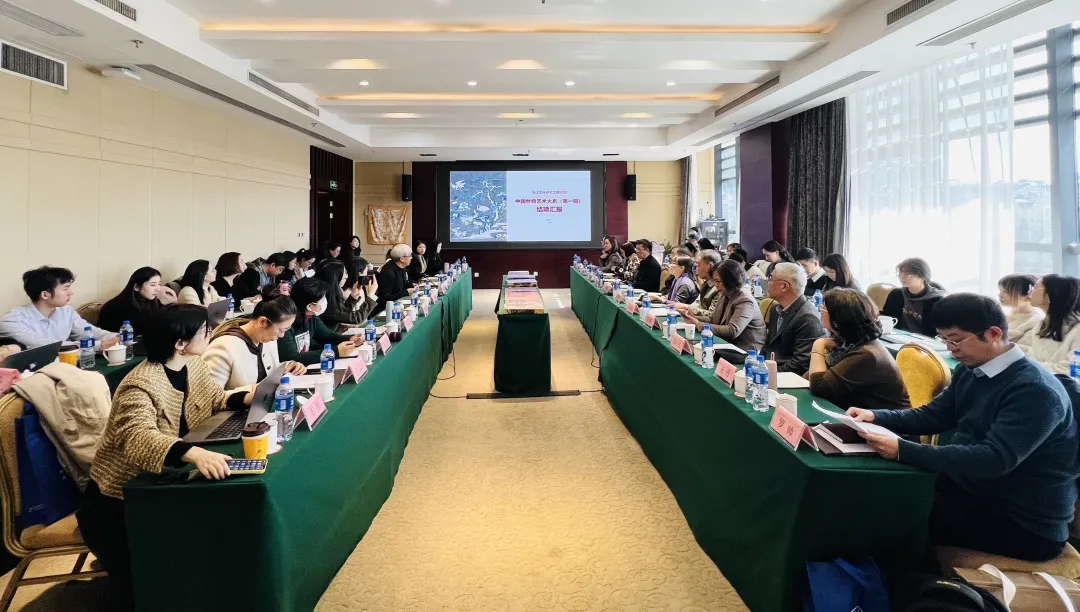
Figure 12: Scene of the Work Summary Meeting
Wang Shujuan, Head of the Technical Department at China National Silk Museum and project leader, reported on initial achievements, funding usage, and future plans. She highlighted that the first series will include 20 volumes, Comprehensive Research on Weaving and Embroidery Techniques, and Bilingual Glossary of Chinese Silk Terminology (2 volumes). The six appraised volumes are slated for publication in 2025 (Figures 13–14).
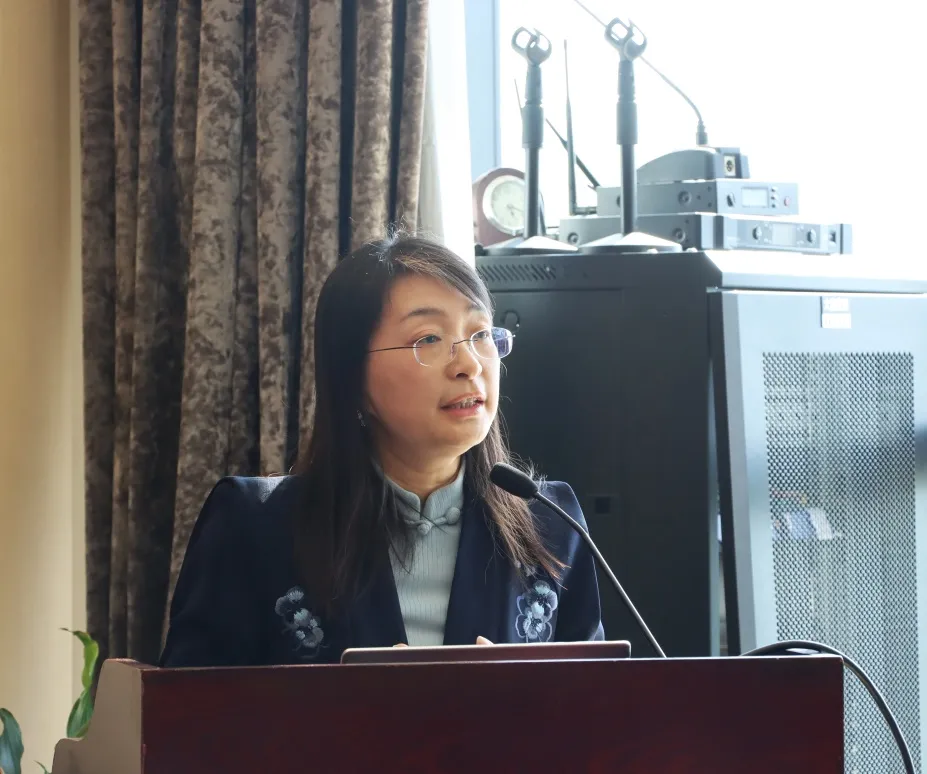
Figure 13: Speech by Wang Shujuan, Project Task Leader of the “Comprehensive Compendium of Chinese Silk Art” and Director of the Technical Department at China National Silk Museum
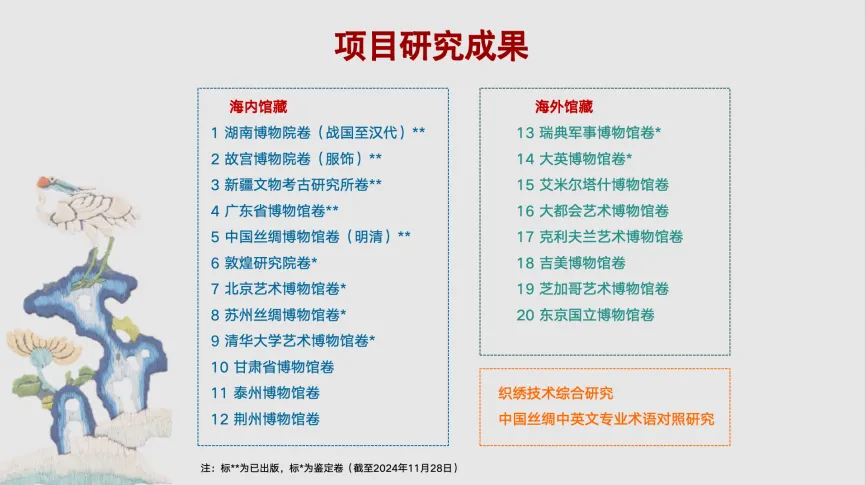
Figure 14: Research Outcomes of the First Series of the “Comprehensive Compendium of Chinese Silk Art”
Wu Chen (Party Secretary of Zhejiang University Press) affirmed the press’s commitment to publishing excellence, drawing on experience from the Complete Collection of Chinese Paintings Through the Ages (Figure 15).
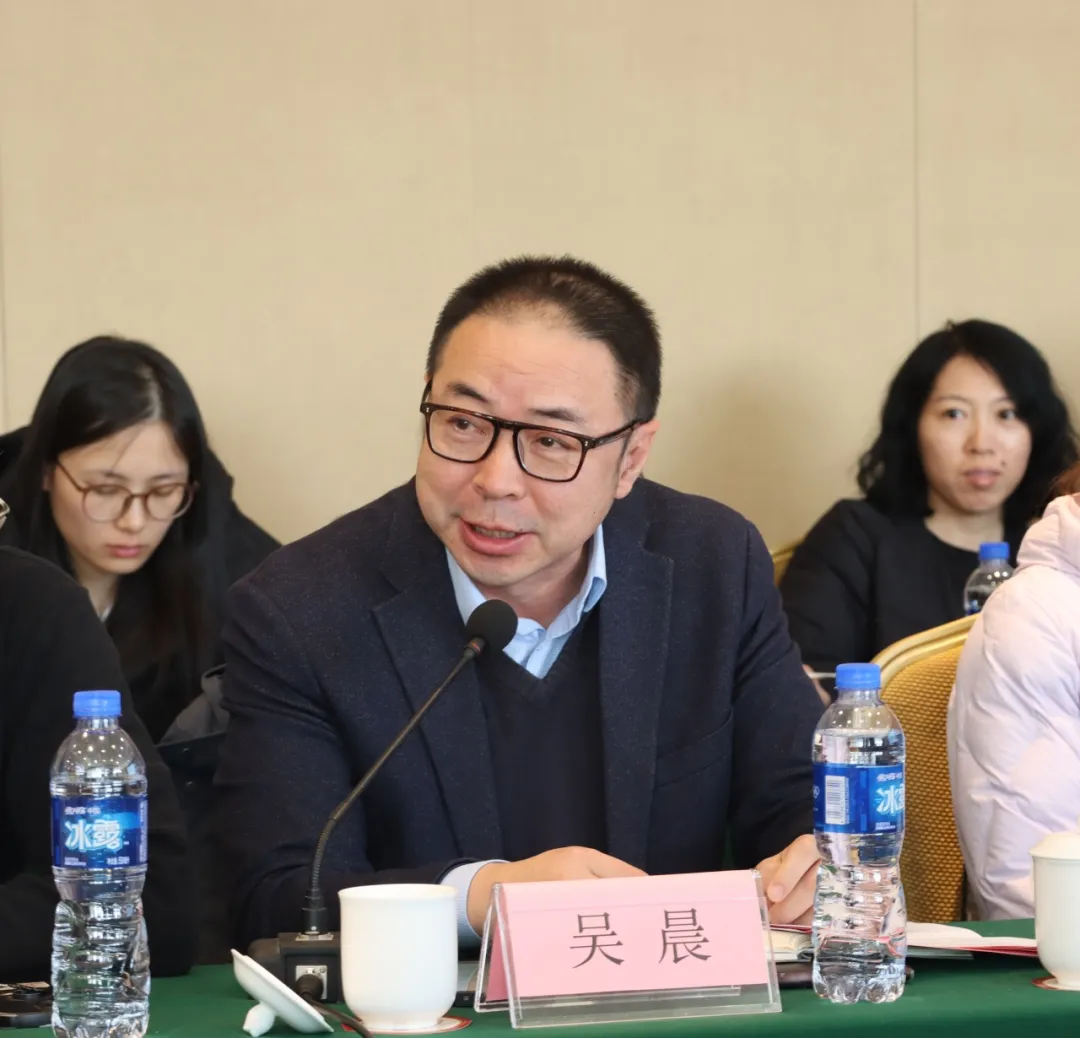
Figure 15: Speech by Wu Chen, Secretary of the Party Committee and Chairman of Zhejiang University Press
Fang Zhiwei underscored the project’s role in advancing Zhejiang University’s humanities development (Figure 16).
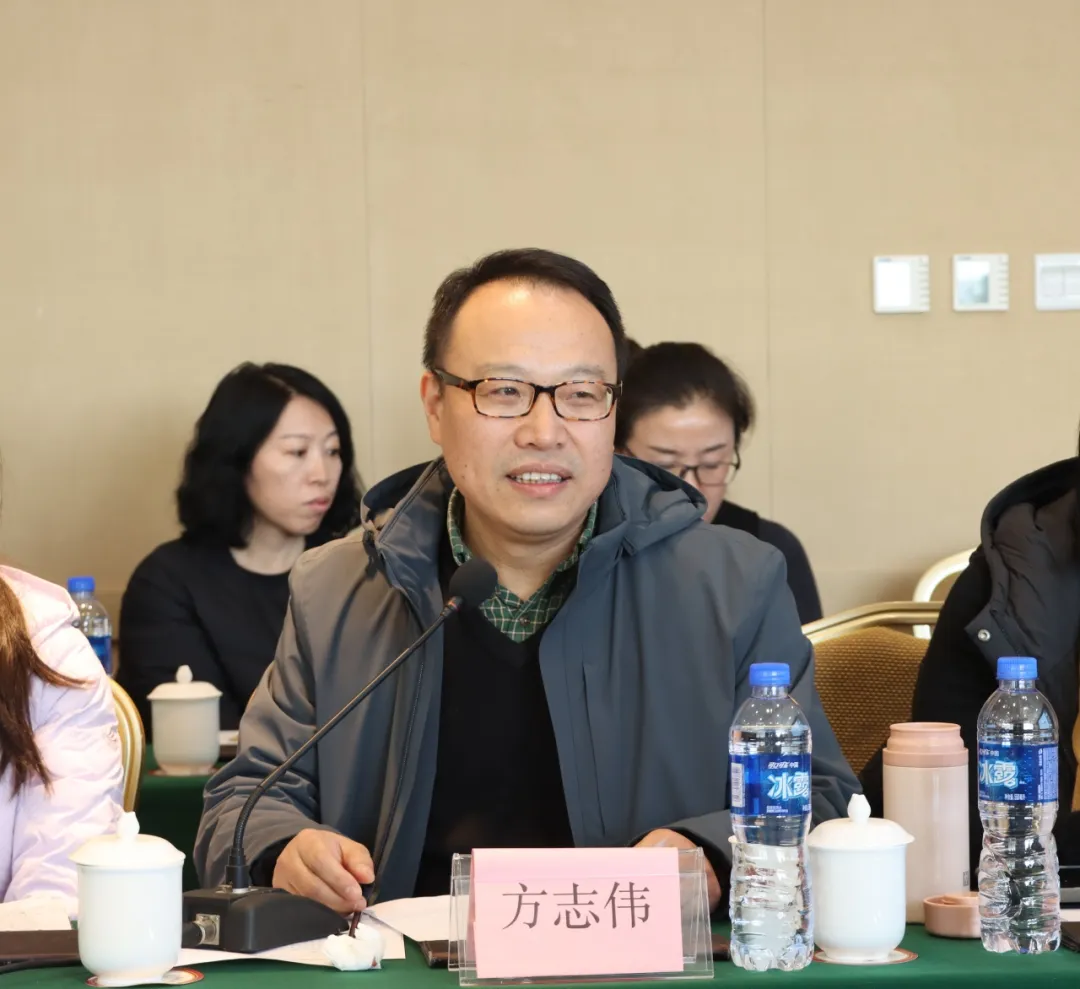
Figure 16: Speech by Fang Zhiwei, Former Secretary of the Party Committee of Zhejiang University’s School of Art and Archaeology
Sheng Shihao praised the project’s cultural and academic value, urging strengthened research collaboration and international engagement (Figure 17).
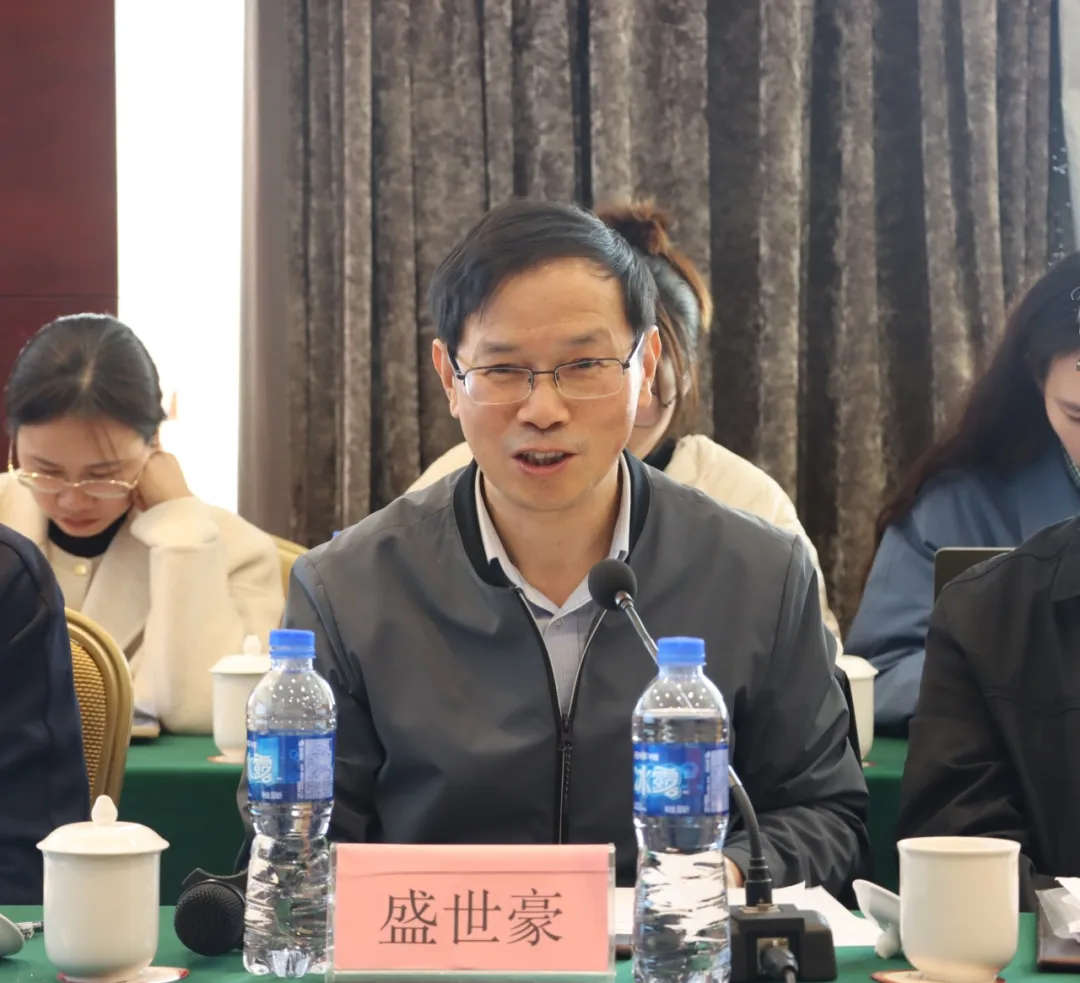
Figure 17: Speech by Sheng Shihao, Chairman of Zhejiang Provincial Federation of Social Sciences
Zhang Xi concluded by reflecting on the project’s journey, stressing its alignment with the Belt and Road Initiative and its mission to preserve and innovate Chinese silk culture (Figure 18).
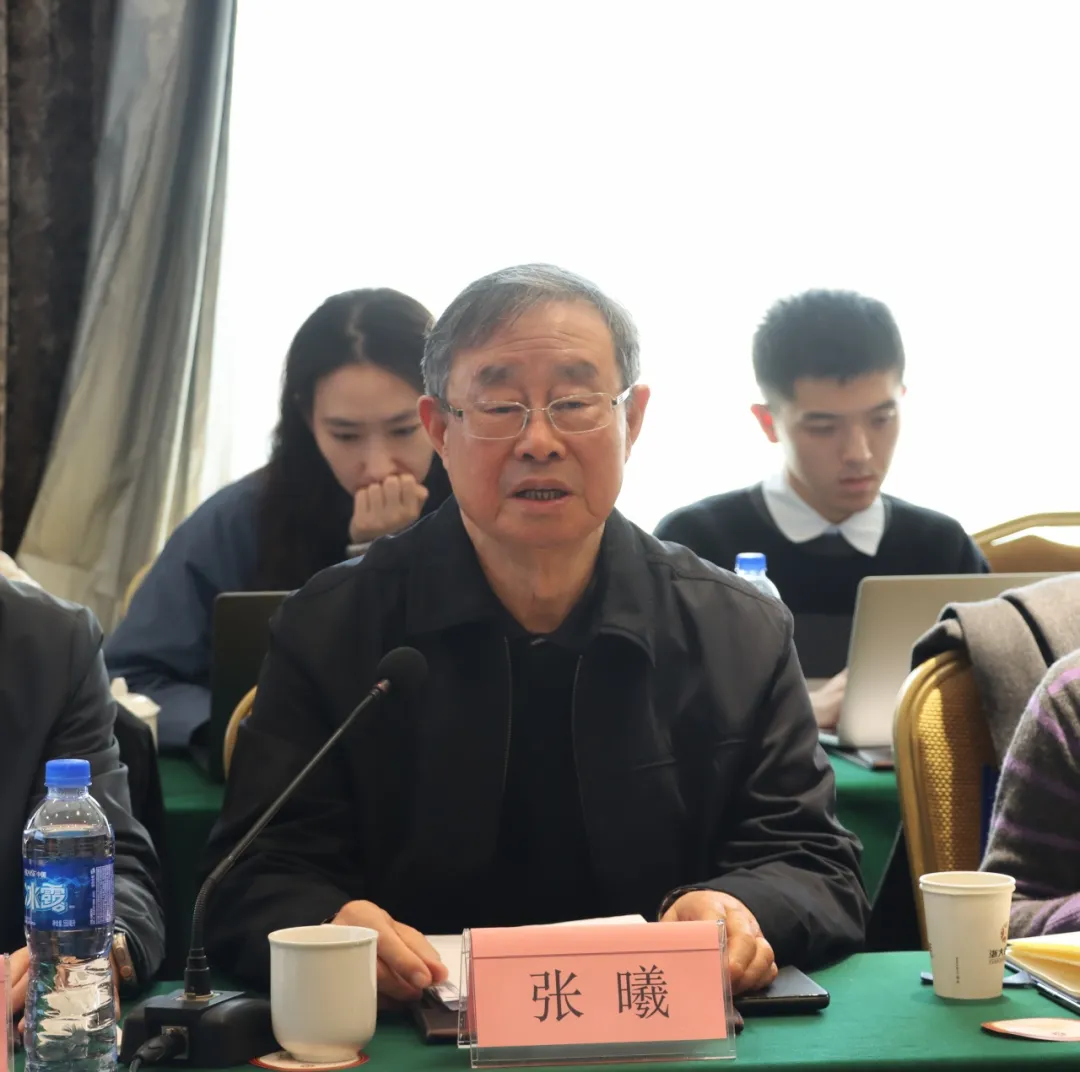
Figure 18: Speech by Zhang Xi, Chief Consultant of the “Comprehensive Compendium of Chinese Silk Art” and Chairman of Zhejiang University’s Development Committee
Conclusion
As a monumental academic and cultural endeavor, the Chinese Silk Art Series carries profound responsibilities. The team will integrate expert insights, deepen interdisciplinary research, and expand collaborations to advance academic progress, showcase China’s silk heritage, and contribute to cultural confidence and national rejuvenation.
Group Photo of Attendees