

The Silk Art and Silk Road Research Center of Zhejiang University has been accredited as a Key Research Base for Philosophy and Social Sciences in Zhejiang Province
Recently, with the approval of the Zhejiang Provincial Office for Philosophy and Social Sciences, the Silk Art and Silk Road Research Center of Zhejiang University has been officially designated as a key research base for philosophy and social sciences in Zhejiang Province.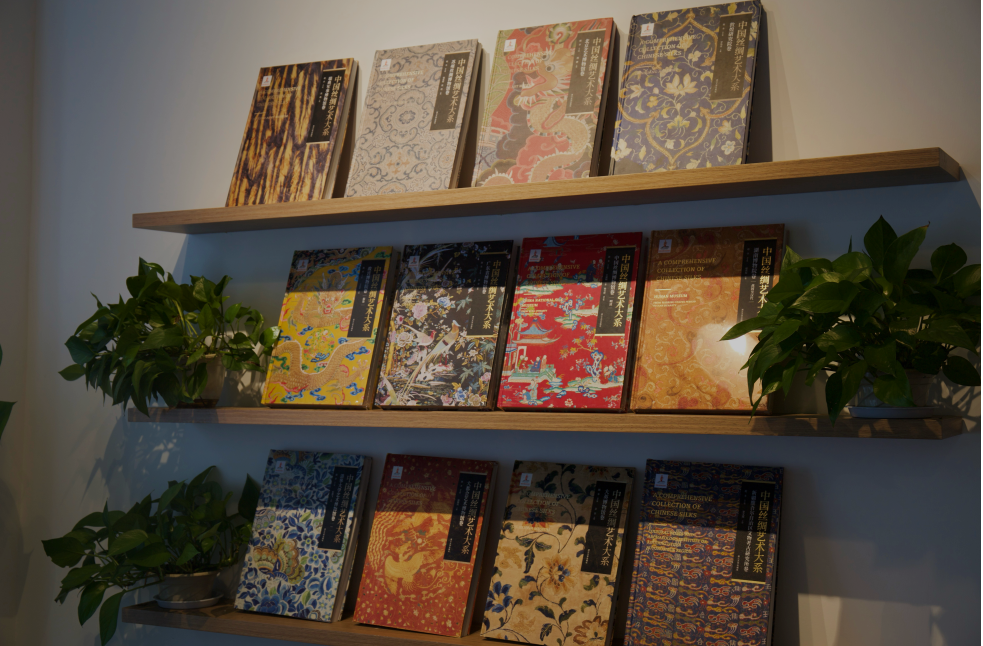
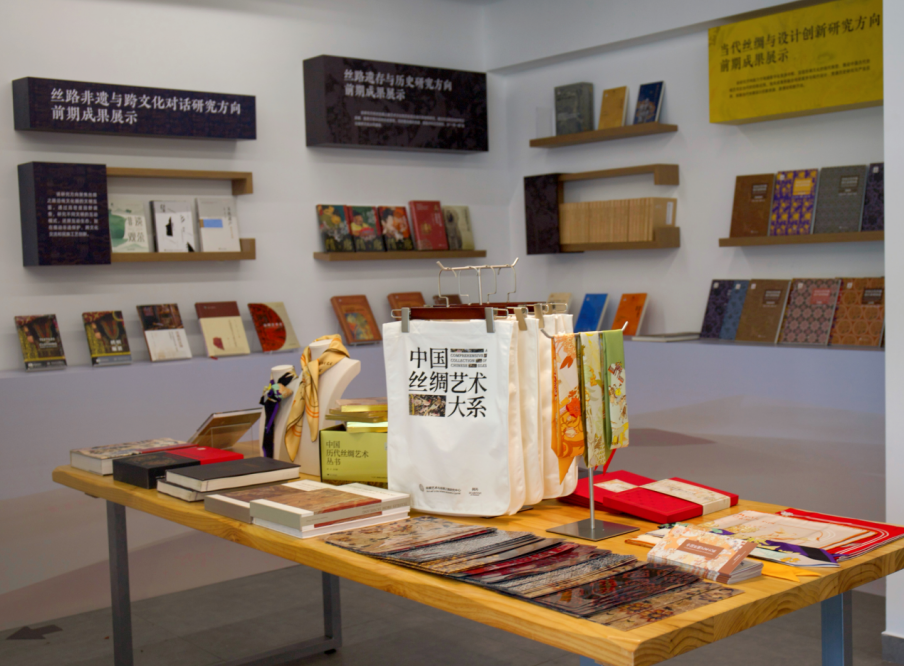
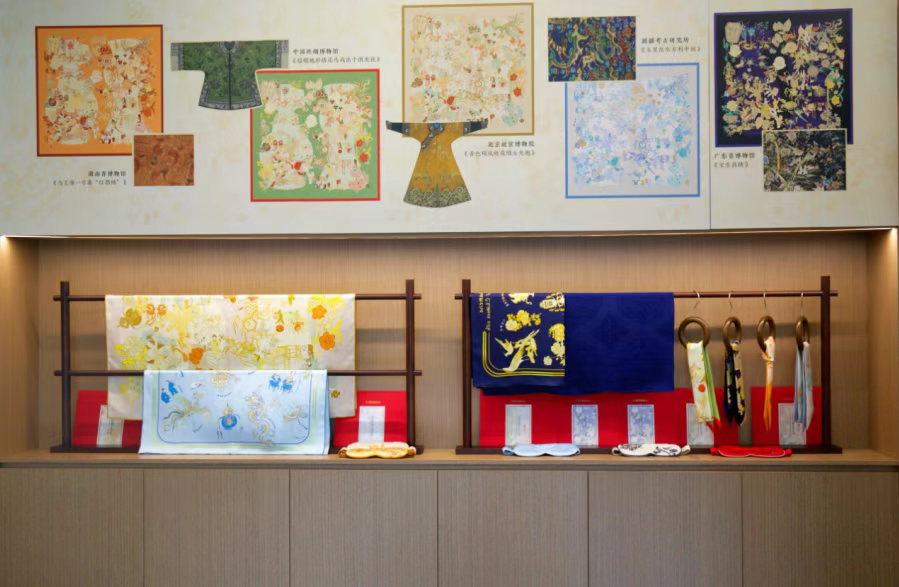
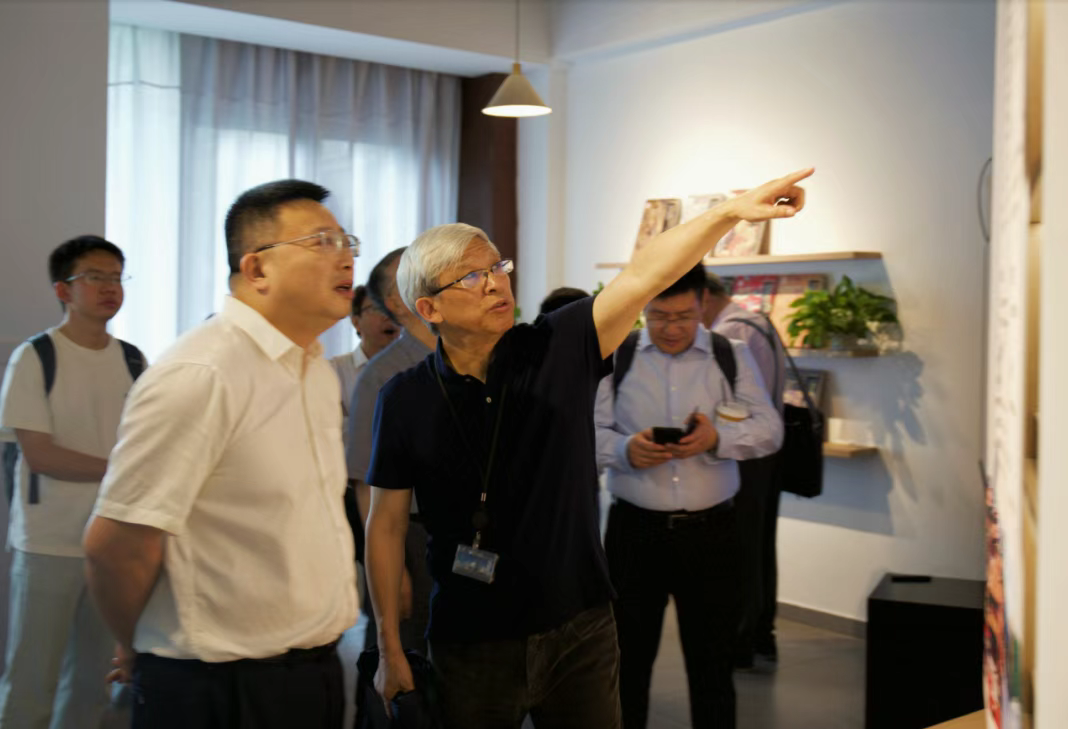
Review Experts Inspecting the Center’s Preliminary Achievements
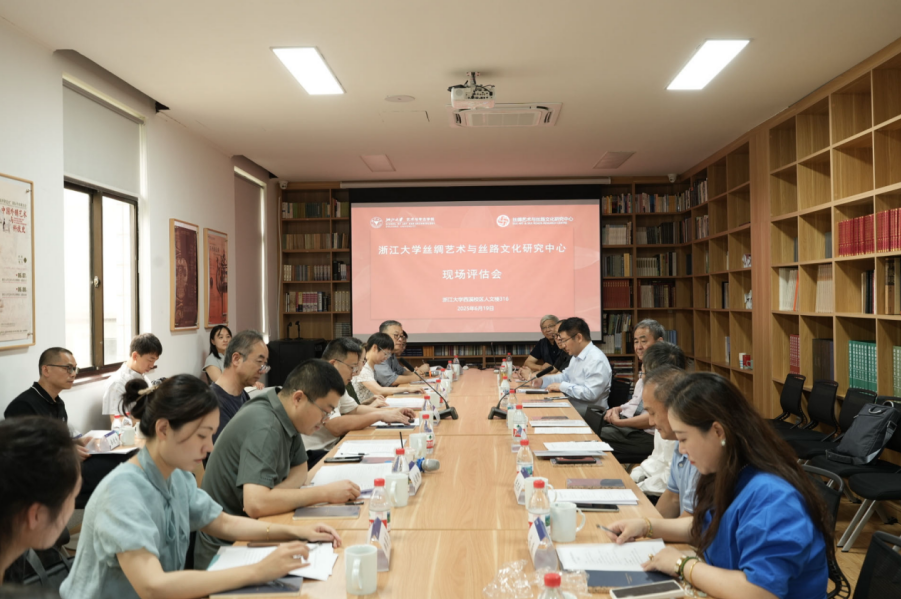
On-site Evaluation Meeting of The Silk Art and Silk Road Research Center of Zhejiang University
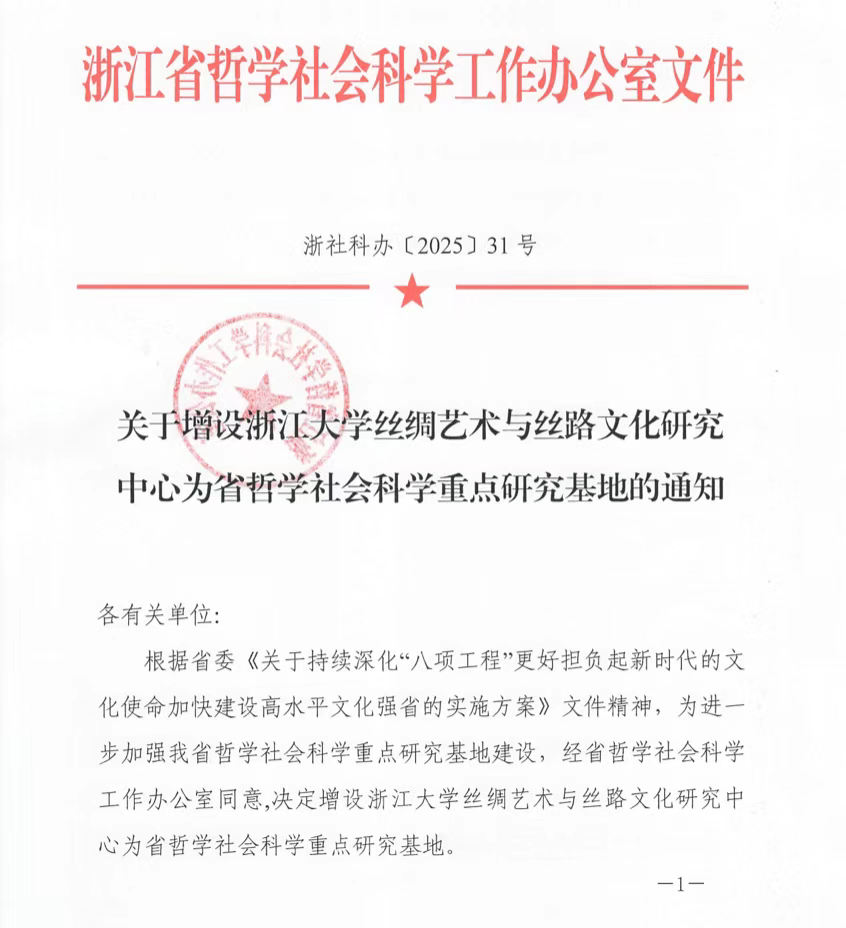
Notice on the Establishment of The Silk Art and Silk Road Research Center of Zhejiang University as a Provincial Key Research Base for Philosophy and Social Sciences
I. Background of the Base Establishment
President Xi Jinping emphasized at the Symposium on Cultural Inheritance and Development: “On a new starting point, continuing to promote cultural prosperity, build a culturally strong nation, and construct the modern civilization of the Chinese nation is our new cultural mission in the new era.” To better shoulder this cultural mission and build a high-level culturally strong, Wang Hao, Secretary of the Zhejiang Provincial Committee, pointed out: “We must create a cultural project symbol of the ‘Great Series,’ expand the influence of the ‘Great Series of Chinese Paintings,’ launch the ‘Great Series of Chinese Calligraphy,’ and deepen the ‘Great Series of Chinese Silk Art.’”
To faithfully implement the “Eight-Eight Strategy” and advance the Cultural Zhejiang Project in the new era, Zhejiang University, based on The Silk Art and Silk Road Research Center jointly established by the School of Art and Archaeology and the Cathaya International Group, has integrated internal units such as the School of History and the Department of Sociology, as well as external academic forces like Zhejiang Sci-Tech University. Centered on the major cultural project of Zhejiang, the “Great Series of Chinese Silk Art,” and extending to textile archaeology, intangible cultural heritage inheritance, and Silk Road culture, the university has established The Silk Art and Silk Road Research Center. Through the construction of this base, the center aims to conduct organized research on silk art and the historical culture of the Silk Road, contributing to the development of a high-level culturally strong province in Zhejiang, the construction of a socialist culturally strong nation, and the advancement of the modern civilization of the Chinese nation. It also seeks to promote global textile and clothing culture, foster cross-cultural dialogue along the Silk Road, and contribute to building a community with a shared future for mankind.
II. Research Directions of the Base
The base focuses on four major research directions: Silk Art and Textile Archaeology, Silk Road Intangible Cultural Heritage and Cross-Cultural Dialogue, Silk Road Heritage and History, and Contemporary Silk Art and Design Innovation. The specific contents are as follows:
1、Silk Art and Textile Archaeology Research Direction Relying on the major cultural project of Zhejiang, the “Great Series of Chinese Silk Art,” and the National Publication Fund project, this direction aims to collect, organize, research, compile, and publish Chinese silk masterpieces scattered worldwide, systematically sorting out Chinese silk art resources and uncovering cultural genes. It also focuses on textile archaeology, restoring ancient dyeing and weaving techniques to construct the technical and artistic history and cultural genealogy of Chinese silk.
2、Silk Road Intangible Cultural Heritage and Cross-Cultural Dialogue Research DirectionThrough extensive fieldwork, this direction studies the integration of textile techniques in China’s border ethnic regions and Silk Road regions, analyzes material selection and technical logic, reconstructs traditional techniques, and clarifies the details of multicultural exchanges along the Silk Road.
3、Silk Road Heritage and History Research DirectionParticipating in archaeological excavation projects along the Silk Road both domestically and internationally, this direction systematically studies the art, culture, and historical changes of the Silk Road. It particularly focuses on heritage research and protection in Dunhuang, Turpan, Central Asia, and West Asia, strengthening academic exchanges, publishing international journals, and promoting international cooperation.
4、Contemporary Silk Art and Design Innovation Research DirectionWith the concept of digital resource integration, this direction combines traditional aesthetics with modern design, connects historical research with industrial applications, activates cultural genes, promotes industry-academia-research collaboration, drives the transformation of the silk industry through creativity, and reshapes China’s cultural discourse and core competitiveness in the global value chain of silk.
III. Team Members of the Base
Based on the focus of each research direction, the base has formed a 47-member scholar team, including senior scholars, mid-career experts, and young researchers, with 35 core researchers and 12 other researchers. A well-structured, internally and externally integrated research echelon has been preliminarily established, focusing on silk technology and art, Silk Road history, and cultural relics.
Chief Expert of the Base
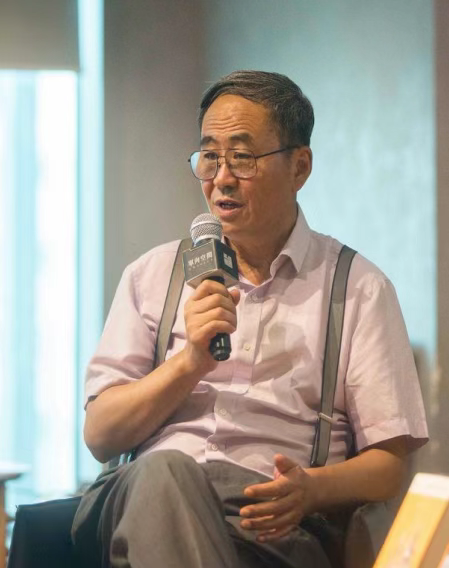
Shang Gang, Professor and Academic Committee Chair of the Academy of Arts & Design, Tsinghua University. His research focuses on the periodization of Chinese arts and crafts history, dedicating over 30 years to the study and teaching of Chinese arts and crafts history. He has made academically profound and well-documented contributions to the development of Chinese arts and crafts, leading the field into a new stage of development.
Base Director
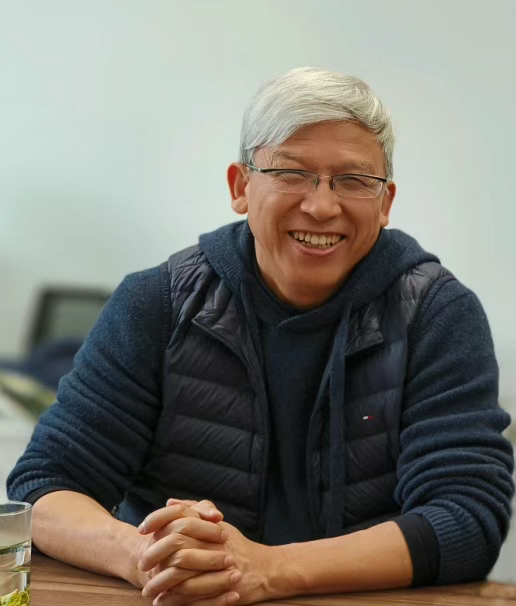
Zhao Feng, Qiushi Distinguished Professor of Zhejiang University, National Cultural Relics Appraisal Committee Member, Vice Chairman of the Chinese Museums Association, Executive Committee Member of the International Council of Museums, President of the International Alliance for Silk Road Silk Research, and UNESCO Silk Road Heritage Chair. He has long been engaged in the study of Chinese textile technology history and Silk Road art history, authoring works such as “Silk Road: Chinese Silk and the Silk Road.”
Academic Committee Chair
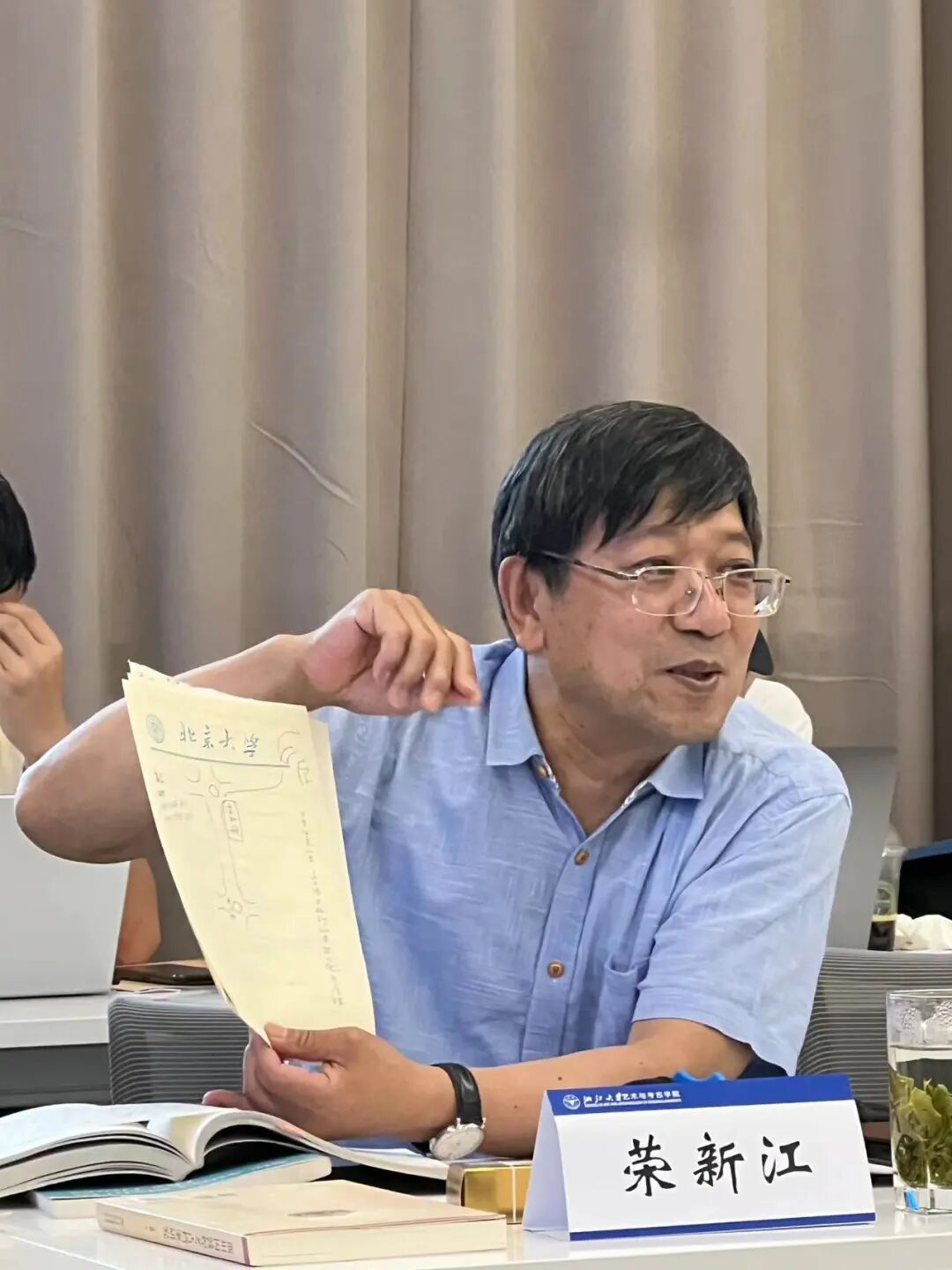
Rong Xinjiang, Boya Chair Professor and First-Class Professor of Humanities at Peking University, Changjiang Scholar Distinguished Professor, and President of the Chinese Dunhuang and Turpan Society. He is the author of “Searching for Dunhuang Around the World.”
Executive Director of the Base
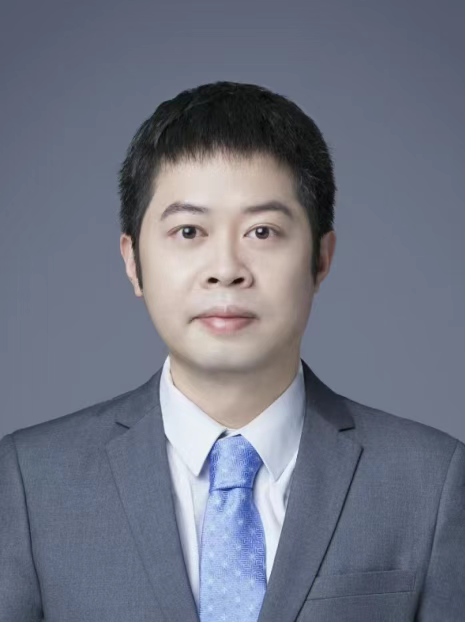
Luo Shuai, Tenured Associate Professor and Doctoral Supervisor at the School of History, Zhejiang University, core member of the “Central Asia and Silk Road Civilization Innovation Team” of Zhejiang University’s Philosophy and Social Sciences Independent Knowledge System Innovation Team, part-time researcher at the Center for Research on Ancient Chinese History, Peking University, and council member of the Zhejiang Dunhuang and Silk Road Research Association. His research focuses on Silk Road history and archaeology.
Core Team Members
The Silk Art and Silk Road Research Center currently has 35 full-time researchers. The center is divided into four research directions: Silk and Textile Archaeology, Silk Road Intangible Cultural Heritage and Cross-Cultural Dialogue, Silk Road Heritage and History, and Contemporary Silk and Design Innovation. The direction leaders are as follows:
Silk Road Intangible Cultural Heritage and Cross-Cultural Dialogue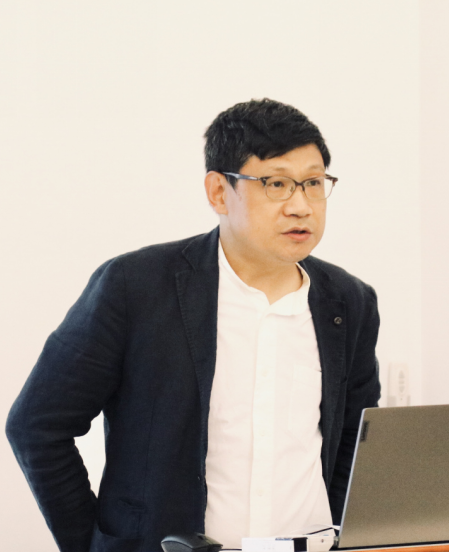
Liang Yongjia, Qiushi Distinguished Professor of Zhejiang University, Professor of Sociology, Director of the Institute of Anthropology, Deputy Director the Department of Sociology, and Editor-in-Chief of “Anthropological Research.” His research focuses on indigenous cosmology, Asia-Pacific ethnography, religion and nation-building, and the Sinicization of social sciences.
Silk Road Heritage and History
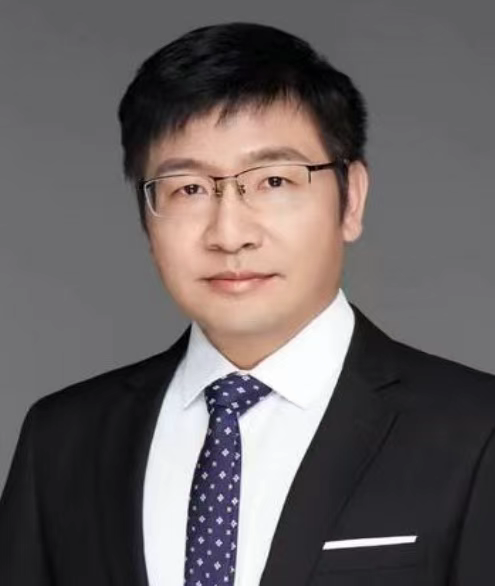
Sun Yinggang, Qiushi Distinguished Professor and Doctoral Supervisor of Zhejiang University, Executive Vice Dean of the School of History. He is the chief expert of the National Social Science Fund Major Project “The History of Gandhara and Chinese Civilization Exchange,” Vice President of the Chinese Society for the Study of Wei, Jin, and Northern and Southern Dynasties, and council member of the Chinese Tang History Society and the Chinese Dunhuang and Turpan Society.
Silk and Textile Archaeology
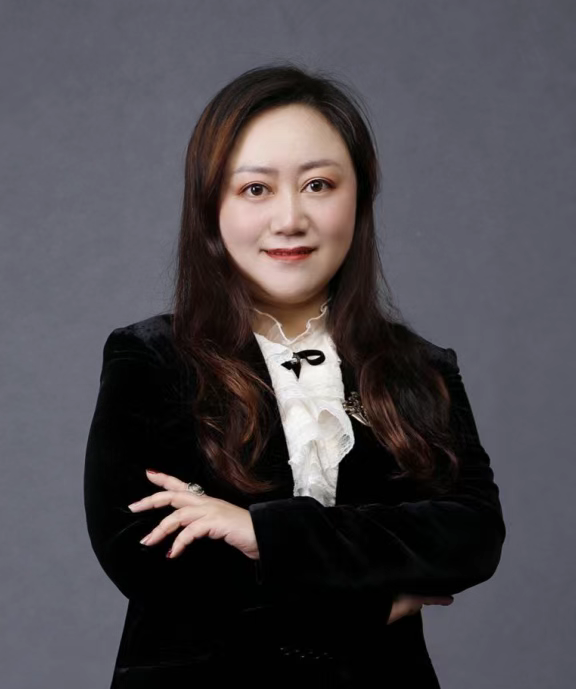
Su Miao, Professor and Doctoral Supervisor, Party Secretary of the College of Textile Science and Engineering (International Silk College), Zhejiang Sci-Tech University. His research focuses on textile design, dyeing and clothing history, and textile intangible cultural heritage.
IV. Base Construction Goals
Medium-term Plan (2025-2030):
In the next five years, the base will focus on the compilation of the “Great Series of Chinese Silk Art,” promote interdisciplinary integration, strengthen innovative platform construction, conduct multidimensional teaching and scientific research, and build a platform for domestic and international researchers to collaborate and exchange ideas. It will contribute Zhejiang University’s wisdom to promoting Chinese silk culture and the Belt and Road Initiative, aiming to build an academic research base with Zhejiang characteristics, national standing, and international excellence.
Long-term Plan (2030-2035):
The base will continue to promote sustainable development, produce a series of landmark, distinctive, and branded core achievements, and publish systematic works. It will cultivate a group of experts and scholars in the field of silk art and Silk Road culture research, enhance social influence and international discourse power, and play a leading role in Silk Road heritage protection and research, cultural inheritance, and artistic innovation.
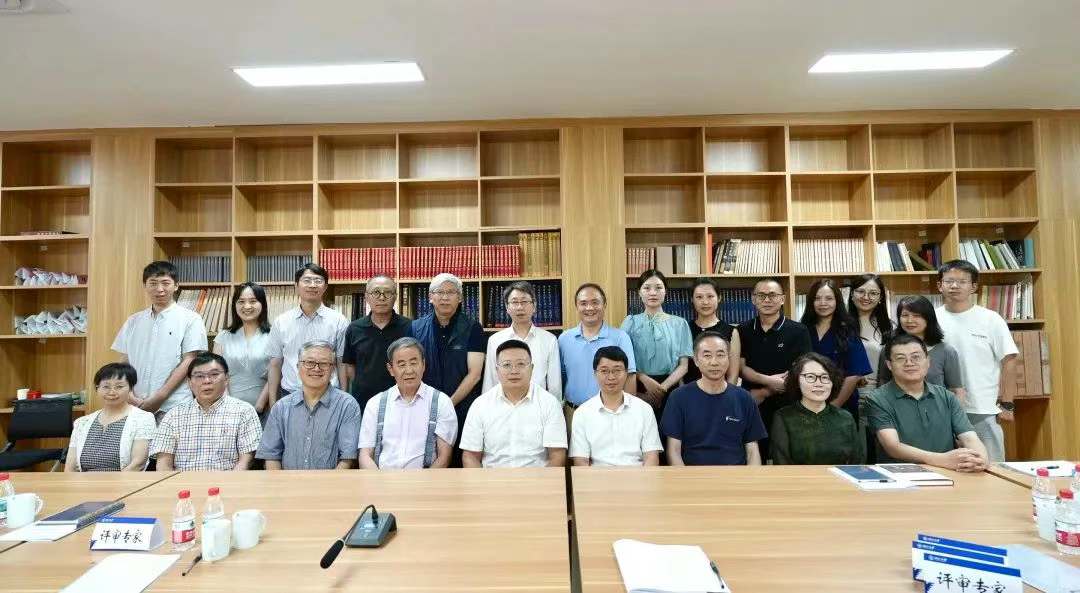
Group Photo of Base Members and Leading Experts
The Silk Art and Silk Road Research Center of Zhejiang University will adhere to the correct political direction and research orientation, follow the requirements of the “Management Measures for Key Research Bases of Philosophy and Social Sciences in Zhejiang Province,” and aim to serve the major strategic needs of national and provincial development. It will further clarify its academic positioning, strengthen research capabilities, expand research horizons, improve management mechanisms, and enhance the platform functions of the base. Centered on major projects such as the “Great Series of Chinese Silk Art,” it will expand research on silk and archaeology for civilizational dialogue, accelerate the construction of a Chinese silk database, promote the popularization of ancient Chinese silk art, better shoulder the cultural mission of the new era, and contribute to the high-level construction of a culturally strong province and a strong social sciences province.