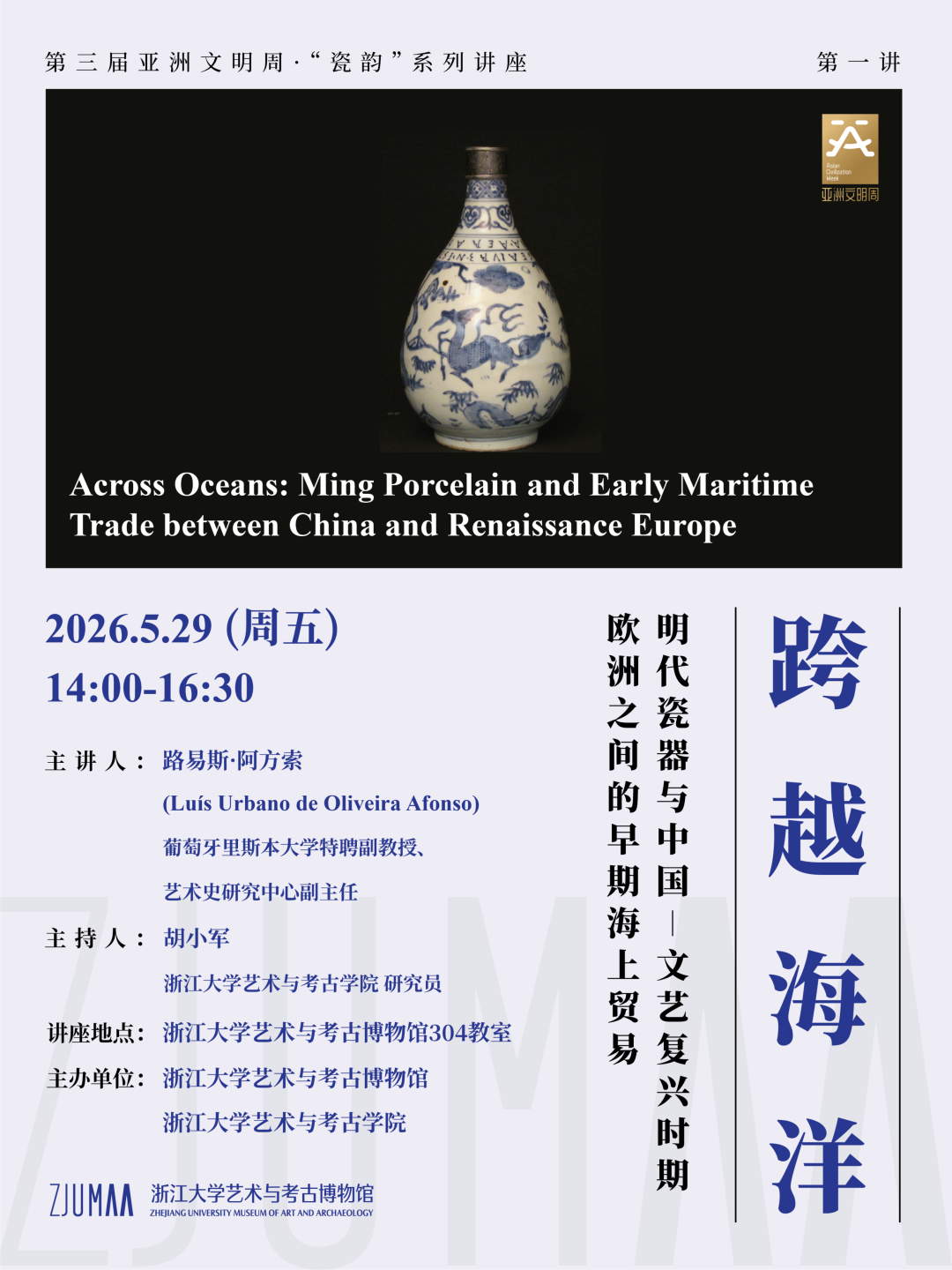
 Lecture Details
Date: Friday, 29 May 2026, 14:00–16:30
Venue: Room 304, Zhejiang University Museum of Art and Archaeology
Organizers: Zhejiang University Museum of Art and Archaeology; School of Art and Archaeology, Zhejiang University
Host: Hu Xiaojun — Researcher, School of Art and Archaeology, Zhejiang University
Speaker: Luís Urbano de Oliveira Afonso — Deputy Director, Art History Research Centre, University of Lisbon; Distinguished Associate Professor, University of Lisbon
About the Speaker

Luís Urbano de Oliveira Afonso is Professor of Art History at the School of Arts and Humanities, University of Lisbon, where he has taught since 1997. His current research focuses on two areas: the artistic hybridization that emerged in the early phase of globalization—with particular attention to Portuguese cultural interactions in West Africa and maritime Asia—and the global dynamics of the contemporary art market. He coordinates the master’s program in the Art Market in Lisbon and serves as the Portuguese lead for the Erasmus Mundus program “Management of Art and Cultural Heritage in the Global Market” (MAGMa). He teaches art-historical theory, medieval art, and the art market in Portuguese and English.
He has written or edited thirteen books, including Sephardic Book Art of the 15th Century (Brepols / Harvey Miller, 2019, with T. Moita), The Art Market (Sílabo, 2019, with A. Fernandes), and The Global Art Market: History and Current Trends (Routledge, 2025, with I. Robertson and D. Chong). His articles have appeared in numerous journals, including African Arts, Journal of the History of Collections, Archivo Español de Arte, The Burlington Magazine, International Journal of Arts Management, International Journal of Cultural Policy, Journal of Early Modern History, Journal of World History, and Journal of the Warburg and Courtauld Institutes, among others.
About the Lecture
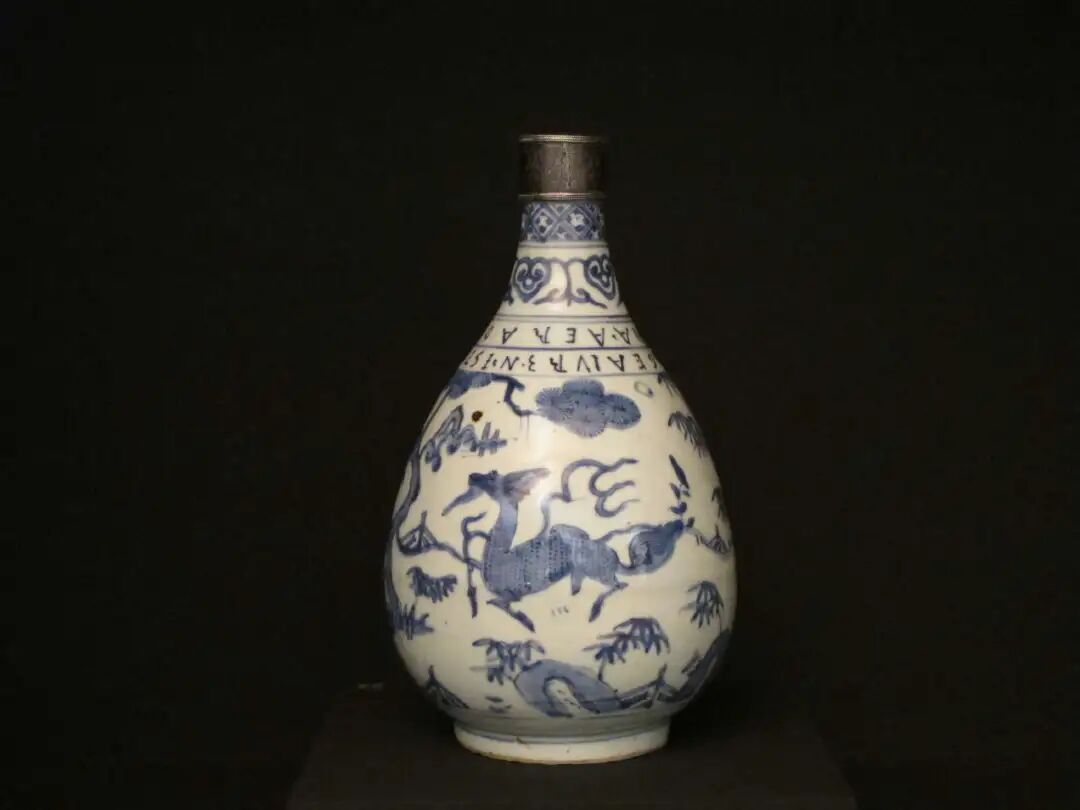
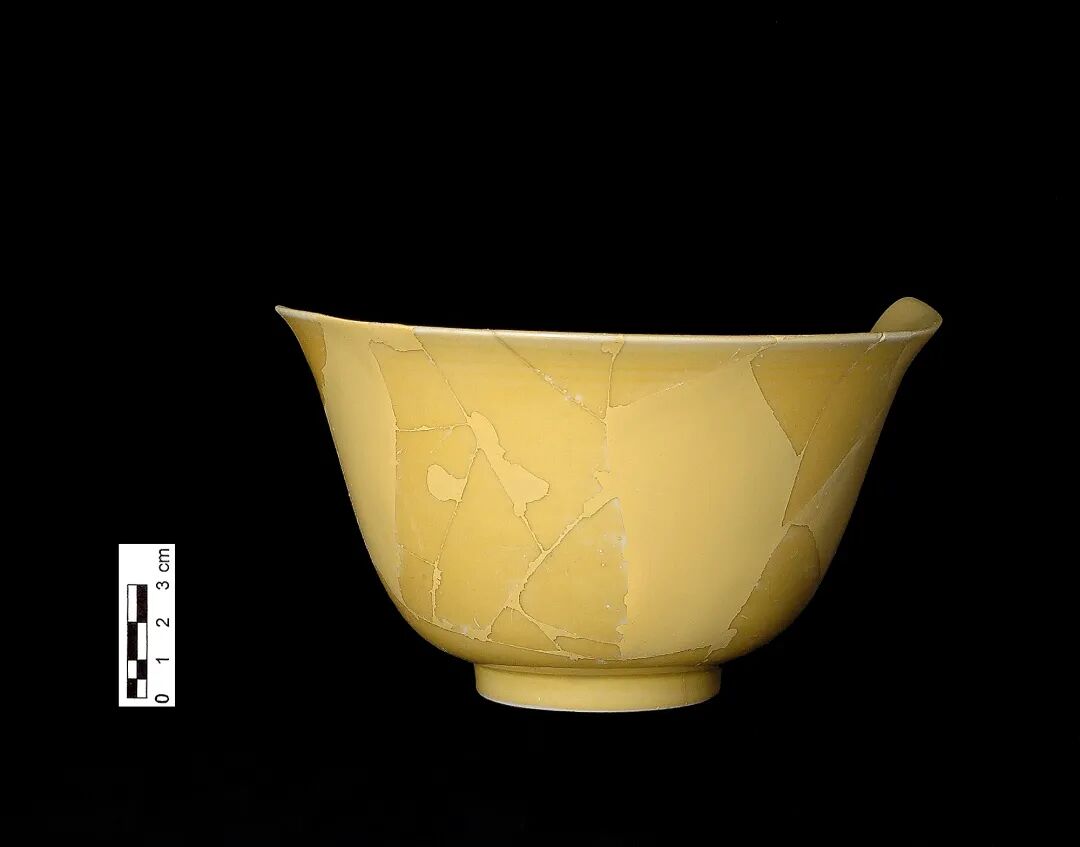
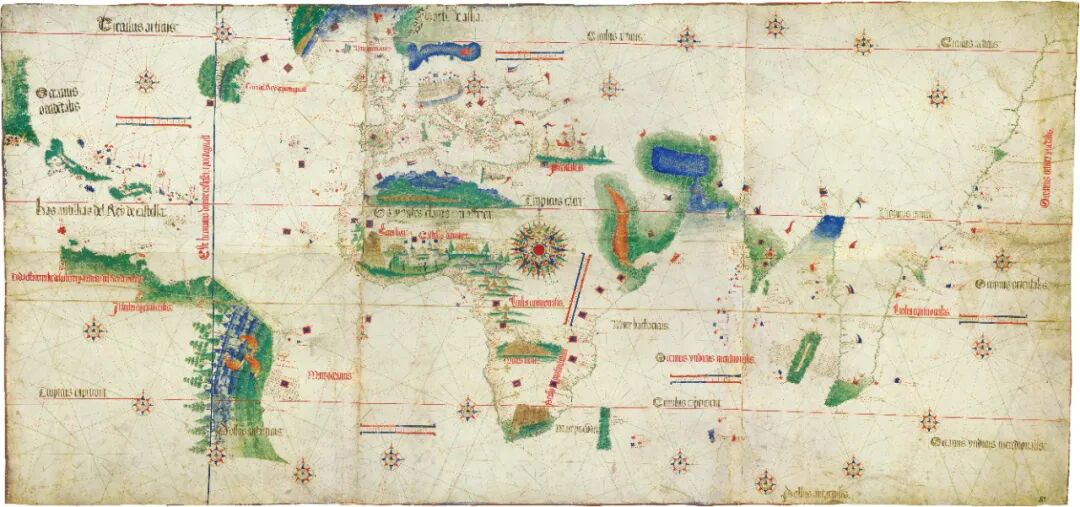
This lecture offers new insights into the reception and consumption of Chinese porcelain in Europe after the opening of the Cape of Good Hope route in 1497–1499. In Renaissance Europe, Chinese porcelain was far from being merely an exotic, rare, and costly luxury. In fact, the evolution of porcelain prices in Portugal and Spain helps to substantiate five viable patterns of consumption. This conclusion draws chiefly on Portuguese archival sources, together with archaeological data from excavations carried out over the past twenty to thirty years in Portugal and former Portuguese Morocco.
Greater availability and affordability did not, however, imply a single, homogeneous pattern of consumption. In sixteenth-century Portugal and Spain, five main patterns can be distinguished:
– porcelain as prized collectors’ items, valued for their costly silver mounts;
– porcelain as diplomatic gifts and religious donations;
– early made-to-order (custom) porcelain;
– cabinets of glass and porcelain bringing together hundreds of pieces;
– porcelain as luxurious tableware for everyday use.
Registration
Please scan the registration QR code for Lecture 1 to sign up. Information and registration links for the later lectures in the series will be released in due course. (A registration QR code can be placed here.)