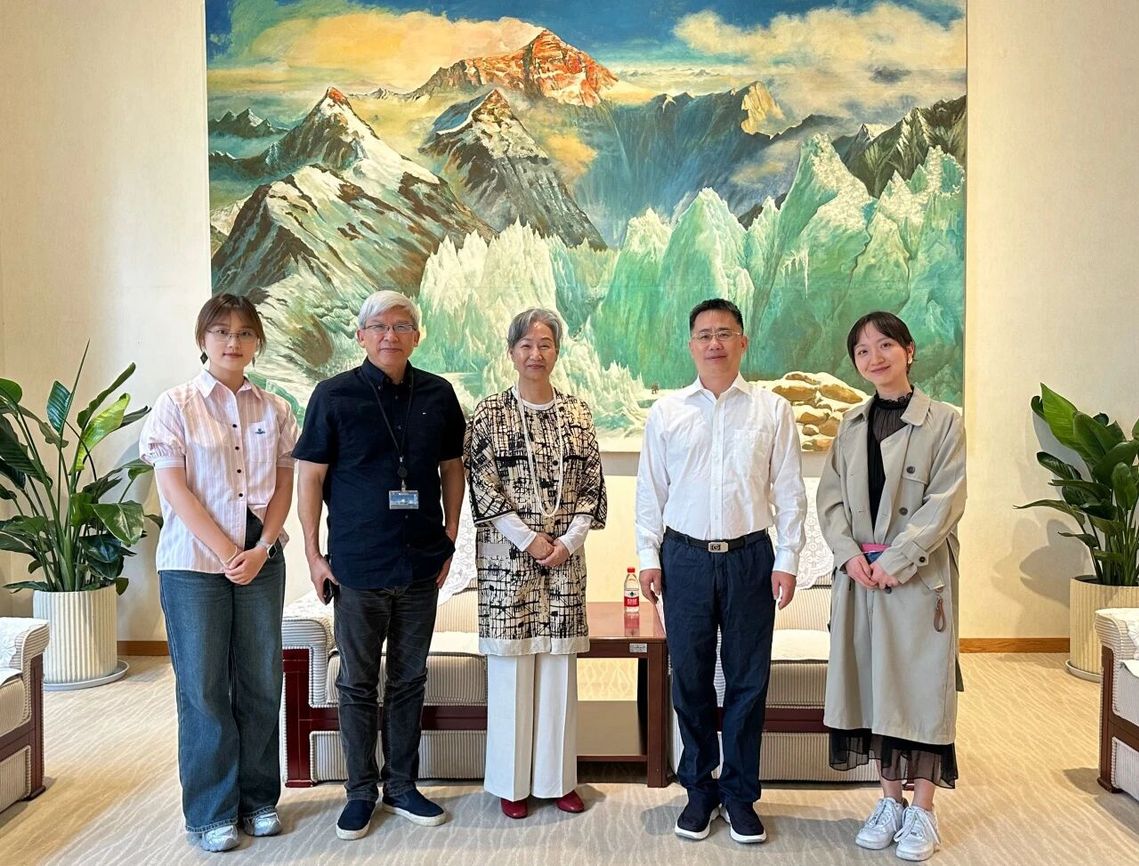
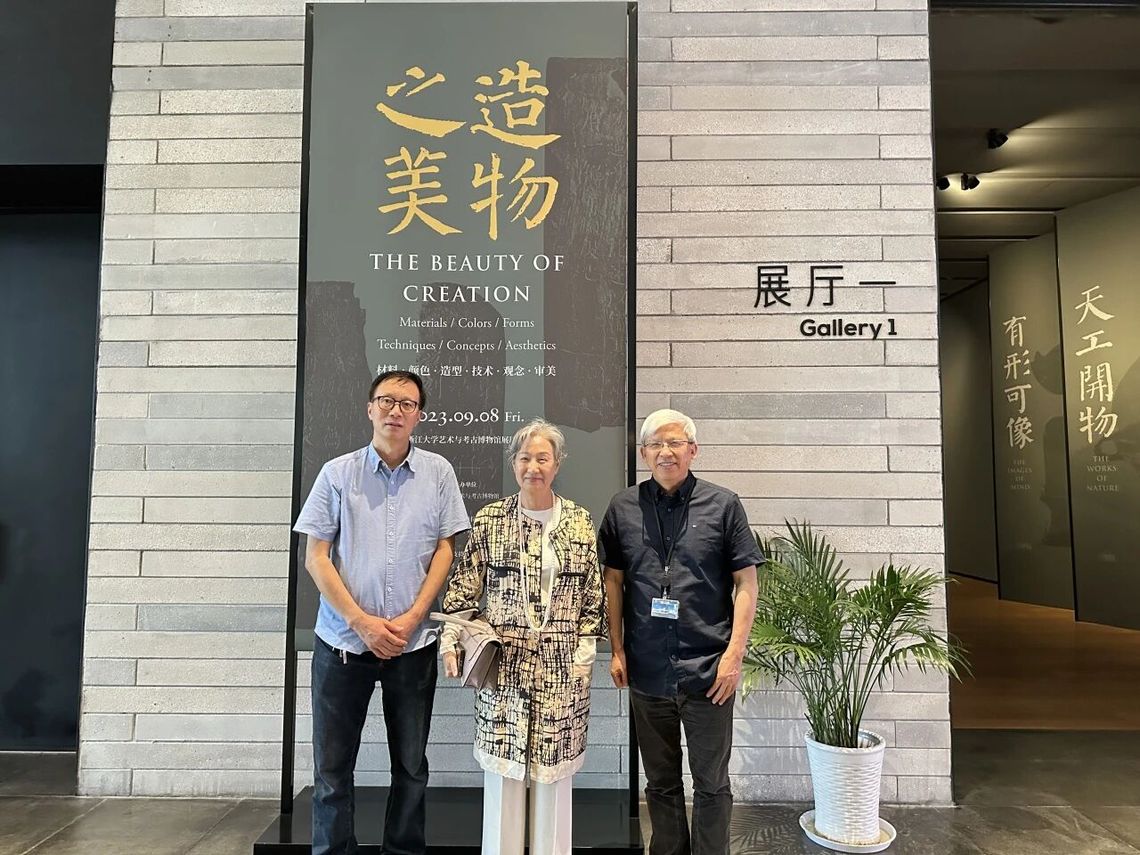
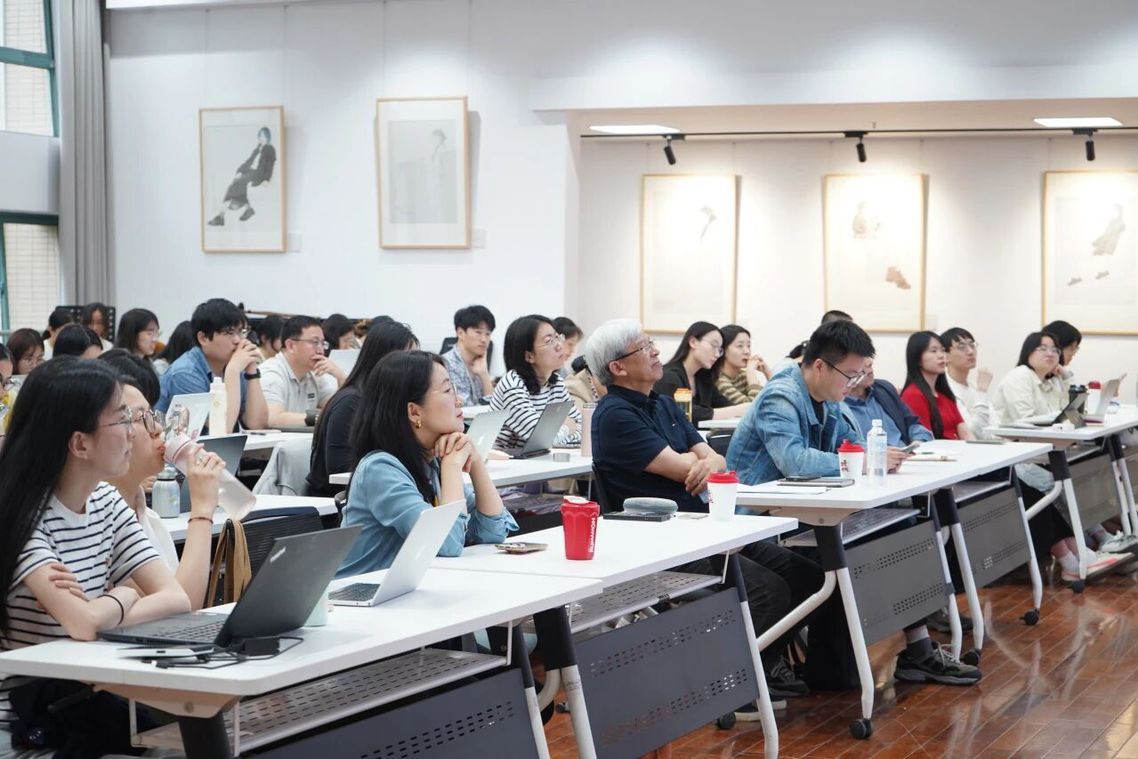
On the afternoon of April 22, Professor Inkyung Chang, Vice President of the International Council of Museums (ICOM) and Director of the Korean Iron Art Museum, was invited to visit the School of Art and Archaeology at Zhejiang University. At the Art Building on the Xixi Campus, she delivered a lecture titled “Transformation of Korean Museums and the Development of the ICOM Code of Ethics for Museums.” The lecture was hosted by Professor Zhao Feng, Dean of the School, and attended by nearly fifty faculty members, students, and museum professionals from both within and outside the university.
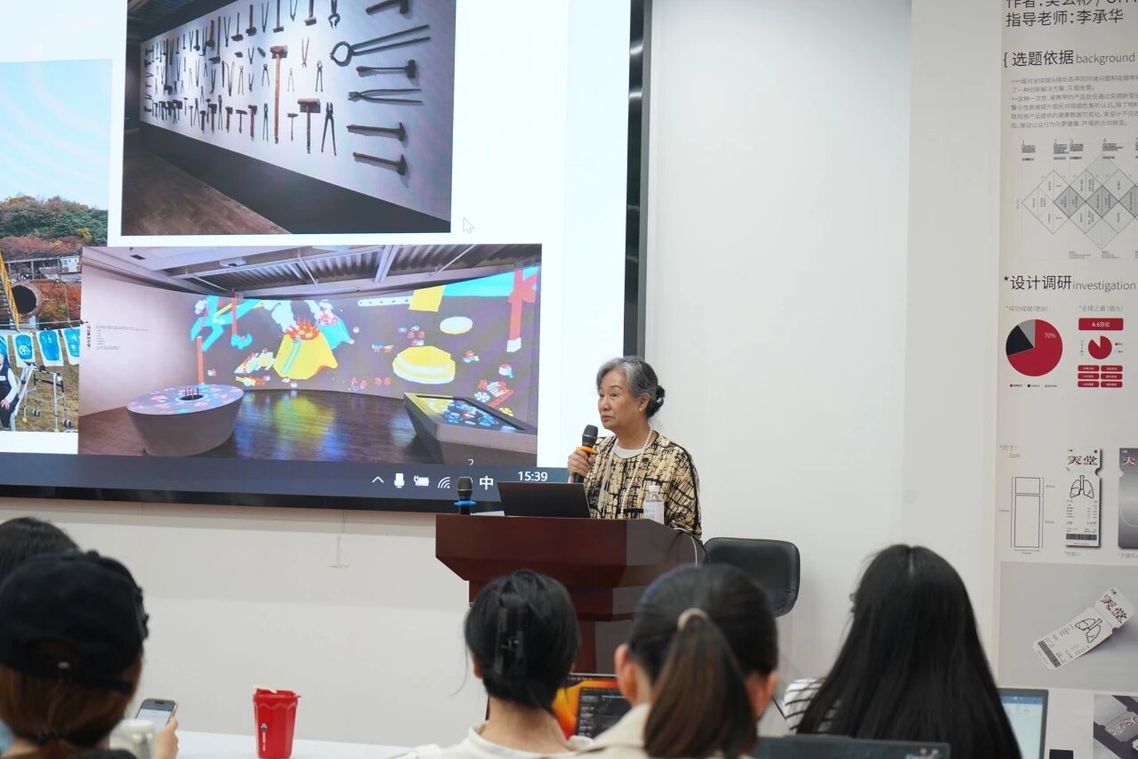
Professor Chang began with her practical experience working in South Korea’s non-profit museums, systematically analyzing the multiple challenges currently facing the museum sector in Korea. She first pointed out that private museums in Korea have long struggled with public perception—despite being operated by non-profit foundations and offering free admission, many are still widely misunderstood as profit-driven institutions. This cognitive bias has directly impacted their social credibility and public engagement.
Building on this, Professor Chang highlighted the profound effects of demographic shifts on museum functions. Using her own county as an example, she noted that what was once an agricultural area now has a migrant worker population exceeding 14%. Such societal changes have forced museums to evolve from mere cultural exhibition spaces into bridges connecting diverse communities.
Professor Chang cited the century-long journey of the National Museum of Korea as a key case study. From its forced relocation into a Japanese-style building during colonial rule in 1909 to the planned completion of the palace reconstruction in 2025, this process has been marked by heated debates over colonial legacies. She specifically mentioned the demolition of former colonial government office buildings and the restoration of ancient palaces, emphasizing that these decisions were not just about architectural replacement but also about reshaping cultural identity through museum spaces—confronting colonial trauma while reclaiming historical narrative authority.
Additionally, Professor Chang noted that in 2004, ICOM held its 21st General Conference in Seoul, focusing on “Museums and Intangible Heritage,” which led to the launch of the International Journal of Intangible Heritage, a significant academic contribution from Korea’s museum sector. Despite challenges such as limited international awareness and cultural promotion difficulties, the conference succeeded, leaving a lasting academic impact on the global museum industry.
Before the COVID-19 pandemic, the National Museum of Korea had already begun constructing a new wing. Although the architecture followed a traditional style with relatively uniform spatial planning, the then-director boldly adopted a branding strategy, innovatively showcasing the museum’s centerpiece, The Contemplative Jewel Box. They redesigned the second-floor exhibition hall using traditional Korean building materials (red clay mixed with straw for the walls) and collaborated with local architects to create an immersive display. This groundbreaking attempt, though controversial, marks the pioneering effort in the brand-oriented operation of South Korea’s national museums. The National Museum of Korea has employed digital technologies to revitalize its collection of stone pagodas. Through Journey to the the West-themed Wednesday Night Storytelling events, it has breathed new life into cultural relics whose details had been obscured by weathering.
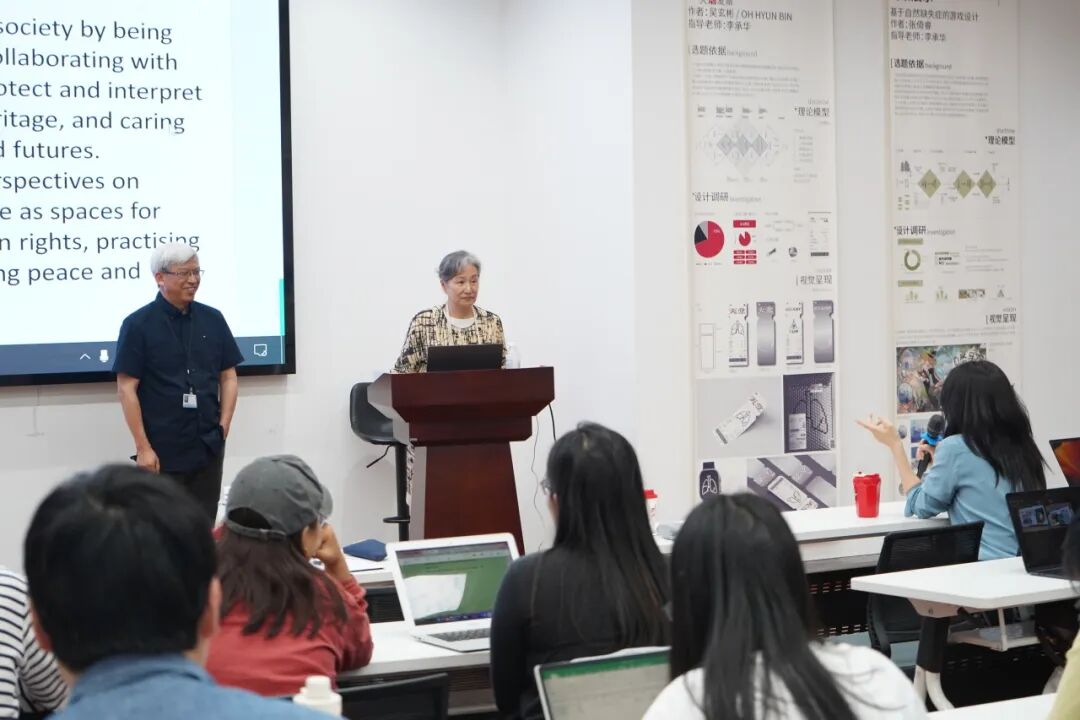
Professor Chang also highlighted the multifaceted challenges and transformative opportunities currently facing Korean museums. Demographically, South Korea has entered a super-aged society, with declining populations in rural leading to a shrinking visitor base for regional museums. The pandemic forced 95% of museums to temporarily close, devastating the entire museum ecosystem and exacerbating polarization within the sector: national museums accelerated digital transformation with government support, while local and private institutions struggled for survival.
Furthermore, Professor Chang argued that the museum sector now confronts core challenges related to community engagement, knowledge sharing, and ethical standards. The traditional expert-driven management model is being questioned, as participatory approaches become imperative—not only in knowledge co-creation and reflexive practices but also in redefining museums’ societal roles. Though ICOM’s new museum definition passed with 92% approval, terminological disputes in multilingual translations divergent cultural interpretations of museology. Simultaneously, decolonization has emerged as a global challenge, compelling museums to re-examine their narrative frameworks.
Meanwhile, the digital wave—particularly the rise of AI—is reshaping museum operations, from collection management to exhibition design. In response, ICOM’s revised Code of Ethics prioritizes values, positioning museums as platforms for advancing social justice and human rights dialogues.
Professor Inkyung Chang’s lecture provided faculty and students with invaluable cross-cultural insights from a Korean museum professional’s perspective, laying groundwork for future Sino-Korean museum collaborations.
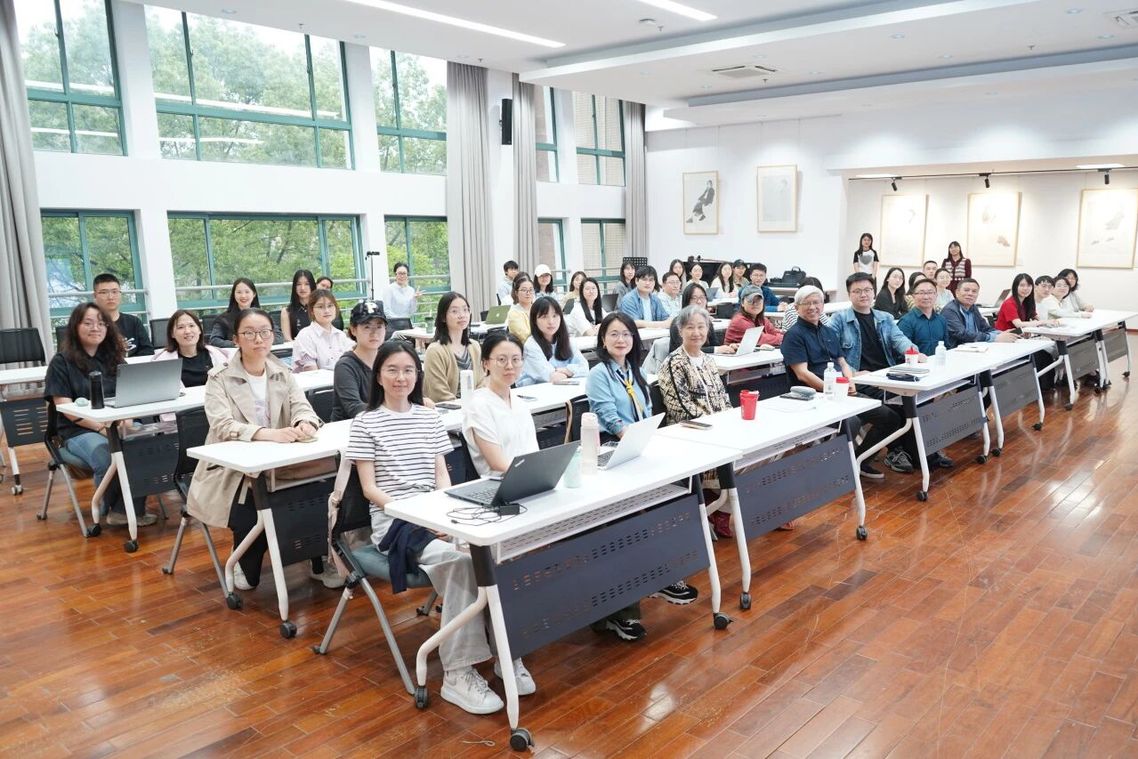
Prior to the lecture, Professor Chang visited the Zhejiang University Museum of Art and, where Zhejiang University Vice President Wang Jingdai held a cordial meeting with him.